
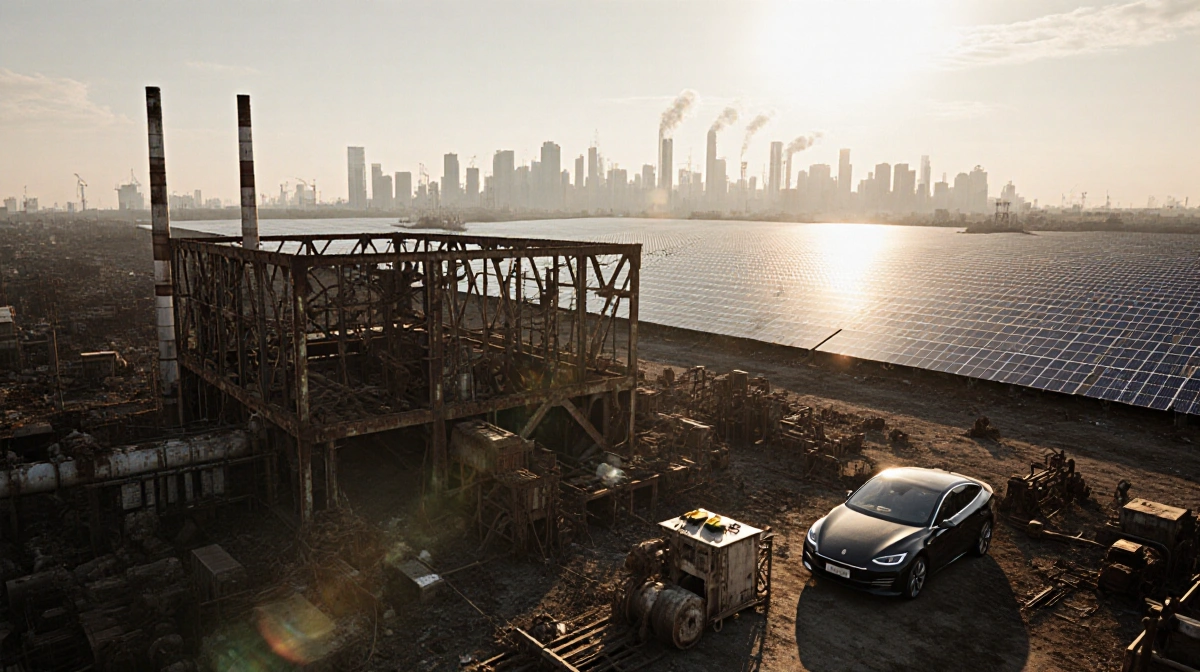

At a Glance
- Chinese factories can now build 1 terawatt of solar panels annually-equal to one-tenth of all global power capacity
- In May 2025 alone China added 92 GW of solar, nearly double the 50 GW the U.S. installed all year
- Negative power prices and factory losses are spreading worldwide as supply races past demand
Why it matters: Cheap panels slash carbon emissions but destabilize grids, bankrupt fossil plants, and upend trade balances from Islamabad to Berlin.
China’s break-neck build-out of solar, wind, and batteries is no longer a distant climate story-it is an economic earthquake reshaping electricity markets on every continent. The numbers defy intuition: in 2024 total installed electricity capacity on Earth was roughly 10 terawatts, yet China’s solar supply chain can now crank out 1 terawatt of panels every twelve months.
Inside China, the pace is even wilder. The first quarter of 2025 saw 60 GW of new solar connected, followed by 45 GW in April and a staggering 92 GW in May. After Beijing declared that projects completed after May would lose preferential pricing, installations fell to about 10 GW a month-still double the U.S. record monthly rate.
A Grid Flooded by Sunshine
The surge is overwhelming Chinese infrastructure. Vast energy megabases blanket western deserts, while eastern rooftops sport standardized, easy-to-install panels. Nuclear plants and coal units that double as municipal heaters can’t ramp down quickly, so grid operators routinely “curtail” solar output-wasting free green power to keep legacy plants running.
In August 2024, voltage swings from renewables triggered a blackout in Xinjiang that threatened the national network, according to the South China Morning Post. Across Shandong Province, oversupply is so severe that generators sometimes pay users to take electricity, creating persistent negative prices.
Factory Bloodbath
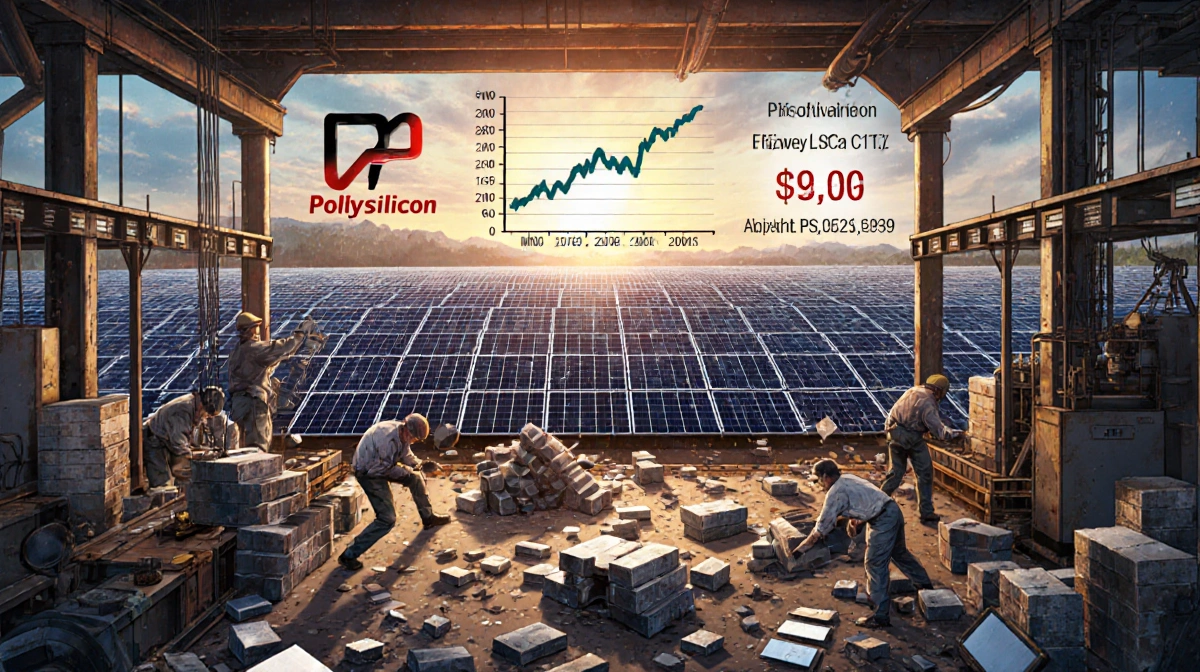
The glut is savaging producers. Polysilicon prices have collapsed, prompting Beijing to push the strongest firms into a cartel to squeeze out weaker rivals. Yet capacity for ingots, wafers, and finished panels still outstrips demand, forcing manufacturers to slash margins and gamble on ever-faster tech upgrades. A new panel model that yields even a 10 percent gain can make existing lines obsolete overnight.
Chinese firms are exporting the carnage. In Germany, Chinese panels have driven electricity prices below zero on sunny days. Pakistan imported so many during the 2022 gas-price spike that customers fled the national grid, pushing it toward a “death spiral.” Ironically, Chinese state banks are major creditors to that same Pakistani grid, meaning state companies are undercutting their own investments.
Batteries and Cars Follow the Same Script
Storage could soak up surplus power, but most Chinese batteries go into cars, not grids. When Shanghai lured Tesla in 2018 with rare full-ownership terms, local suppliers mushroomed and supercharged domestic EV makers such as BYD and Nio. By 2024, plug-ins made up nearly half of China’s car sales and the country exported 5.5 million vehicles, upending auto powers from Japan to Germany.
Yet even BYD is now fighting for survival as price wars erase profits and debt piles up.
Winners and Losers
Consumers reap the bounty. In Australia, where rooftop solar tops one in three homes, the energy minister has floated three hours of free daytime power. Hawaii and Jamaica have used solar-plus-battery systems to shutter final coal plants. In China, the metals giant Weiqiao Aluminum reconnected to the Shandong grid to exploit near-zero prices after decades of running its own coal fleet.
Fossil-heavy grids and legacy automakers face asset-value destruction, while the cheapest electricity in recorded history-about 4 cents per kilowatt-hour-keeps spreading.
Trump vs. the Tide
Donald Trump’s administration has canceled major wind projects and the proposed Nevada solar megabase Esmerelda 7, betting instead on small modular reactors and long-promised fusion. The stance, echoed by some U.S. billionaires who dismiss solar as “cute,” leaves American firms racing to deploy the planet’s cheapest power sources while policymakers look elsewhere.
Key Takeaways
- China’s renewable machine is moving faster than any government or grid can manage
- Negative prices, wasted power, and factory losses are features, not bugs, of a market swamped by supply
- From German electricity futures to Pakistani balance sheets, the economic shockwaves are already global
- Consumers and climate stand to gain; legacy utilities, fossil investors, and rival manufacturers face wipeouts