


At a Glance
- CMU researchers created wheeled objects that automatically move to where you need them.
- The system uses cameras, AI models, and a knowledge base to predict actions.
- Privacy and adoption concerns remain before household use.
- Why it matters: It could turn everyday items into smart helpers, but raises safety and privacy questions.
Imagine reaching for a hot tray of cookies and finding a smart trivet roll itself into place. That scenario is no longer a fantasy-Carnegie Mellon University researchers have built AI-controlled, wheeled objects that can sense your actions and move themselves to where you need them.
How It Works
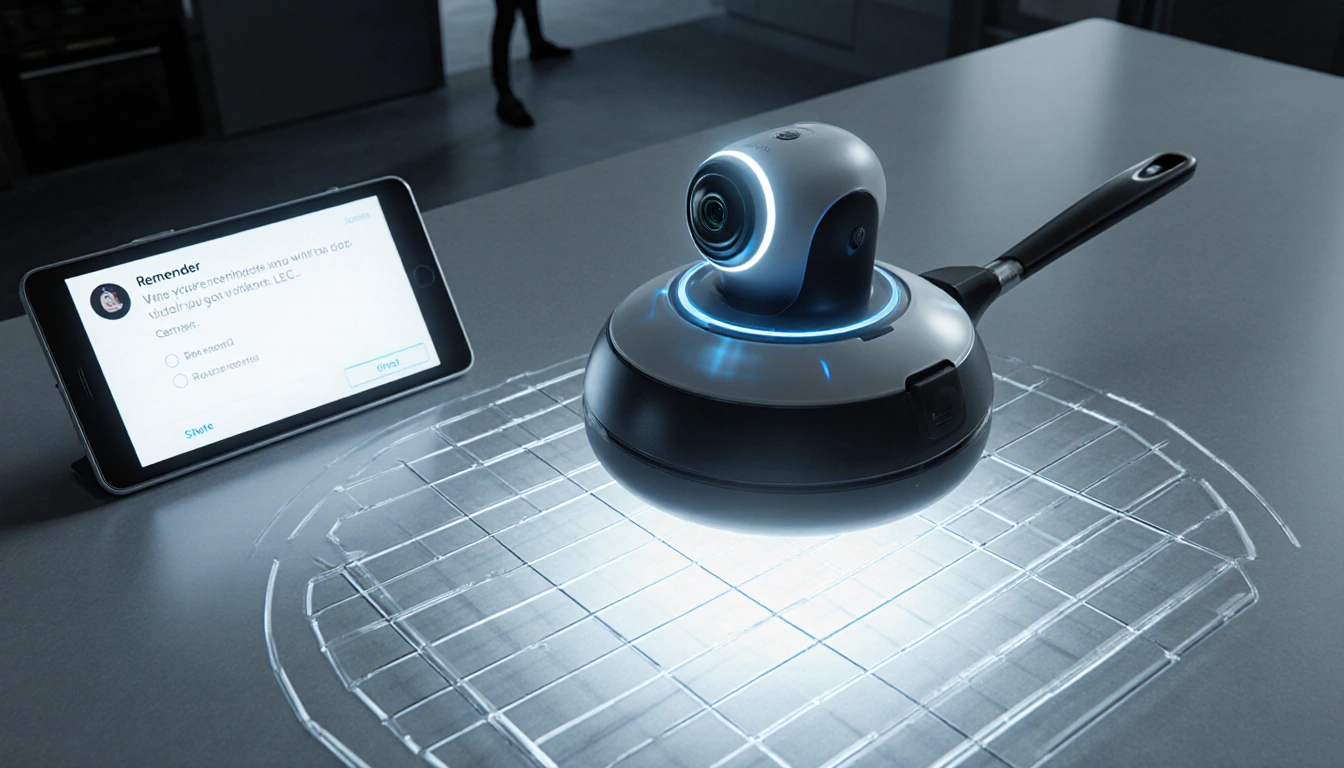
The team built small platforms-round wheeled bases for mugs, rectangular ones for other items-controlled by Bluetooth-enabled microcontrollers. A single camera streams live footage to AI models that identify what you are doing and what objects are involved. Large language models predict the next likely action, and a knowledge base informs basic human-object interactions.
Violet Han said:
> “We have a hard time envisioning robot butlers, but adding AI and mobility to everyday objects solves many problems. It allows automation to feel natural while keeping the same familiar items.”
- AI predicts user intent using large language models.
- Cameras identify objects and user actions in real time.
- Tiny wheeled platforms move objects toward the user.
Potential Uses and Concerns
The system could fetch a missing stapler, remind you of keys, or bring a mug to you. However, the researchers caution that privacy and security must be addressed before such devices become common. Some users may be uncomfortable with overhead cameras, and regulations could play a role.
Alexandra Ion said:
> “If you are OK with overhead cameras, that’s much faster to deployment, but personally, I wouldn’t be OK with that.”
Key Takeaways
- Wheeled objects can autonomously move to meet user needs.
- The technology relies on cameras, AI prediction, and simple microcontrollers.
- Adoption hinges on privacy safeguards and user comfort with cameras.
In short, CMU’s prototype shows that everyday items can become smart helpers, but practical deployment will depend on how well privacy and safety concerns are managed.