
At a Glance
- The golden coffee ratio is 16-to-1 coffee to water by weight.
- The Specialty Coffee Association recommends a range of 15-to-1 to 20-to-1.
- Factors like grind size, temperature, agitation, and filter also shape the cup.
- Why it matters: Mastering the ratio means a flawless brew every morning, no more guessing.
Every coffee lover knows the frustration of a weak or bitter cup. By following a simple, science-backed ratio, you can eliminate guesswork and achieve a balanced brew every time. Below we break down the golden ratio and the key variables that can fine-tune your coffee.
The Golden Ratio Explained
The golden ratio defines the ideal proportion of coffee grounds to water at the start of brewing. The Specialty Coffee Association (SCA) recommends a range of 15-to-1 to 20-to-1. Most experts, including Kaleena Teoh, suggest starting at 16-to-1.
Kaleena Teoh stated:
> “The Specialty Coffee Association, an international organization that pretty much governs the guidelines that we use, suggests between a 15-to-1 to 20-to-1 ratio,” Teoh said. “It literally refers to the amount of water versus the amount of coffee grounds. And then the resulting volume at the end might vary entirely depending on what kind of system it is (whether automatic drip, French press, or pour-over).”
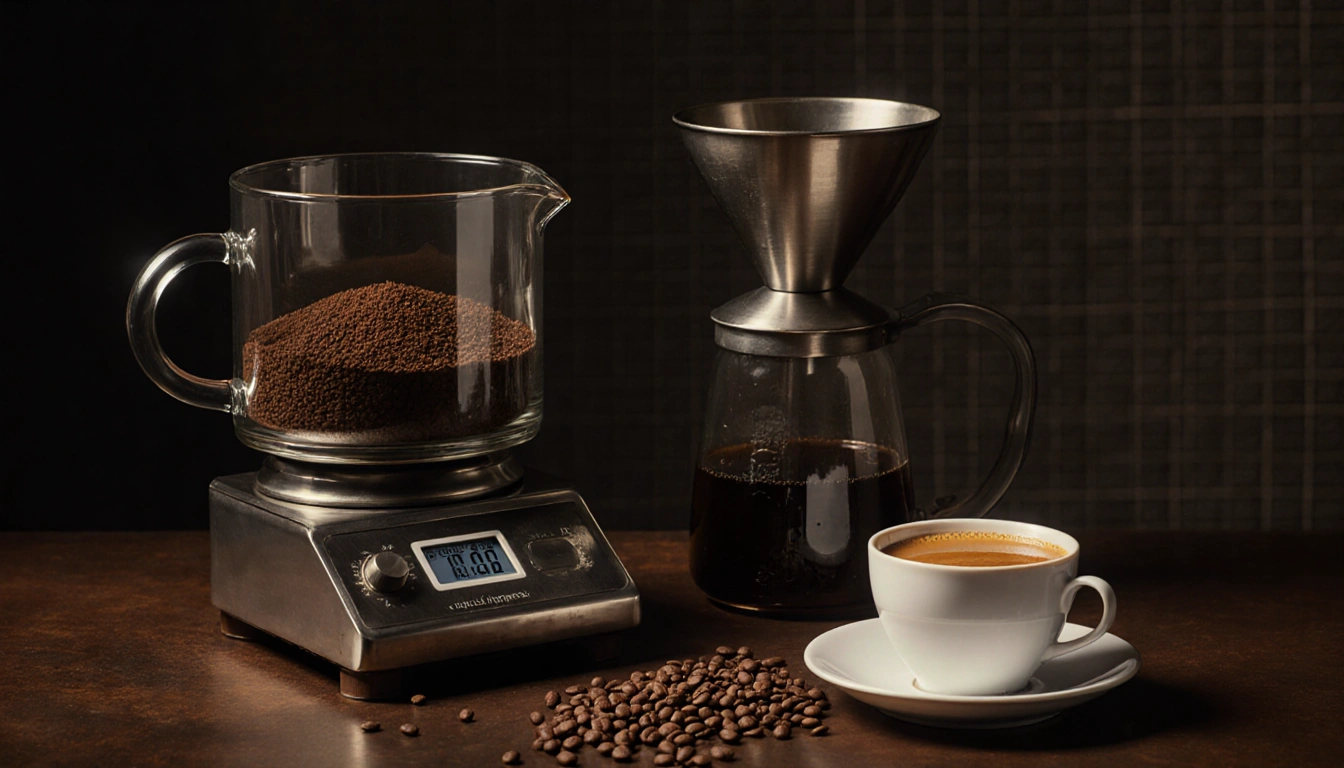
Because the ratio is based on weight, a kitchen scale is essential. Measuring by volume can lead to inconsistent cups due to variations in scoop size or grind.
- Use a scale to weigh coffee and water.
- Start with 16-to-1 as a baseline.
- Adjust the ratio up or down for personal preference.
| Ratio | Flavor Profile | Notes |
|---|---|---|
| 15-to-1 | Strong, bold | For strong coffee lovers |
| 16-to-1 | Balanced, medium | Standard |
| 18-to-1 | Medium-light | For lighter preference |
| 20-to-1 | Light, subtle | For very light preference |
Key Variables That Influence the Brew
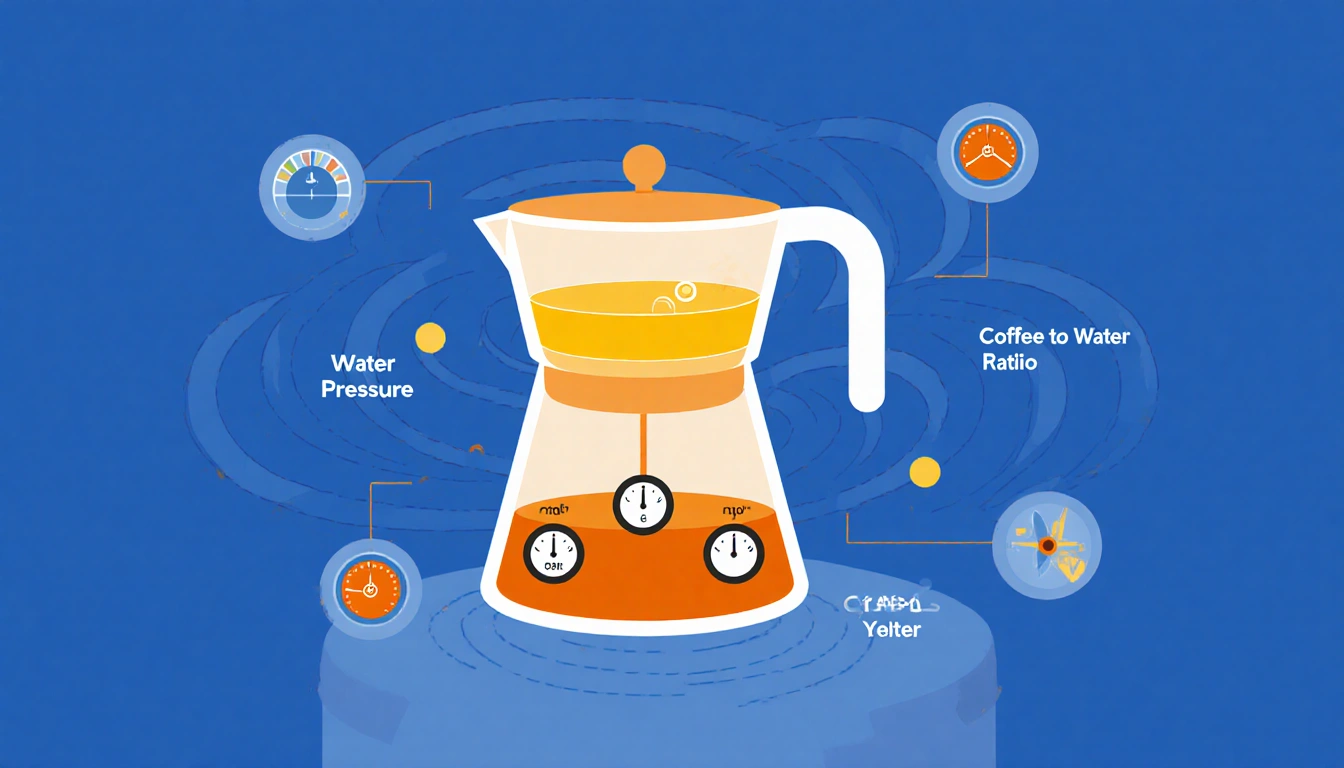
Beyond the ratio, several factors affect extraction and flavor.
- Grind size: French press requires a coarse grind, like sea salt; pour-over benefits from a slightly finer grind than supermarket.
- Temperature: Ideal range is 195°F to 205°F.
- Agitation: More stirring increases concentration.
- Filter type: Metal filters allow more oils; paper filters give a cleaner cup.
Kaleena Teoh said:
> “The more agitation you give it when coffee is being extracted, the more concentration occurs during brewing,” Teoh said.
Kaleena Teoh also noted:
> “Different filters have different pore sizes, allowing certain elements to pass through or not,” Teoh said. “Metal filters will allow for all solubles and some insolubles, while a paper filter will be able to hold back all of those insolubles, giving you a very clean cup.”
Practical Tips for Consistent Coffee
To lock in consistency, invest in a reliable scale, a burr grinder, and fresh beans.
Kaleena Teoh said:
> “Everything is being weighed in most coffee shops to ensure that there’s some sort of consistency,” Teoh said, noting that applies to the grounds, the water and, in the case of espresso, the resulting brew.
Kaleena Teoh added:
> “The best investment is actually the grinder,” she said. “Get a coffee machine that can do its job. It doesn’t have to be the most expensive one. But a burr grinder is actually an excellent investment.”
Kaleena Teoh advised:
> “Fresh beans will always taste better,” Teoh said, advising care when getting freshly roasted coffee.
- Invest in a kitchen scale.
- Use a burr grinder.
- Choose fresh, freshly roasted beans.
Kaleena Teoh concluded:
> “Just use a method that is convenient to you, and that you’re able to use every day, because if it’s too much and too complicated, you’ll end up stopping,” she said. “Pick something that you’re comfortable with and can do consistently,” whether with a particular ratio, particular beans, or particular devices, said Teoh. “And then play with it. Experiment with it until you find something that you like.”
Key Takeaways
- Master the 16-to-1 ratio for a balanced cup.
- Adjust grind, temperature, agitation, and filter to fine-tune flavor.
- Consistency comes from a scale, burr grinder, and fresh beans.
A reliable ratio and consistent technique mean you’ll never again settle for a mediocre cup.