
At a Glance
- Journalist Seth Harp was subpoenaed by the House Oversight Committee after Rep. Anna Paulina Luna accused him of “doxxing” a Delta Force commander.
- Harp shared only publicly available biographical data, not private details like addresses or phone numbers.
- The move has alarmed press freedom groups, who call it an attempt to intimidate reporters covering the Trump administration.
Why it matters: The case tests whether naming government officials in news stories can be labeled as criminal “doxxing.”
Rep. Anna Paulina Luna (R-Fla.) subpoenaed journalist Seth Harp last week, claiming he “doxxed” a Delta Force commander and leaked classified information tied to Operation Absolute Resolve. She also filed a criminal referral with the Justice Department.
The incident ignited online debate about the definition of “doxxing,” a term Luna and other officials have used broadly when federal agents are publicly identified.
What Harp Actually Posted
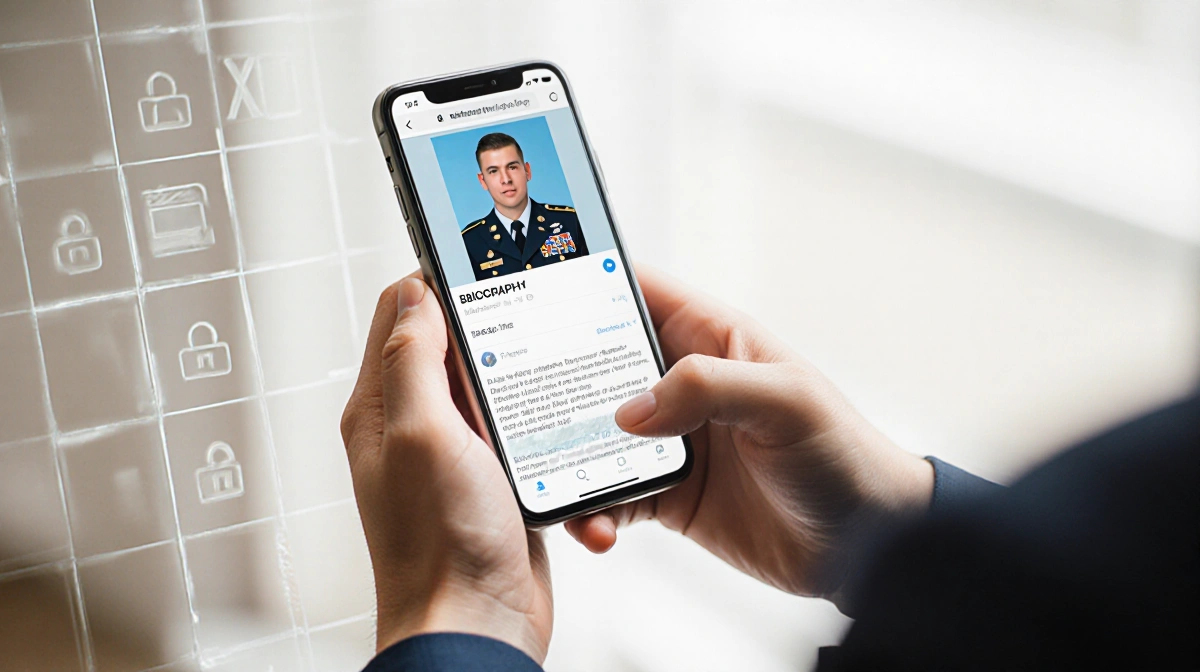
The day after the U.S. government detained Venezuelan leader Nicolás Maduro, Harp tweeted a photo and online biography of a U.S. military officer. Platform X locked his account and demanded deletion of the tweet, Harp told News Of Fort Worth.
Luna responded on January 7:
> “I have made a motion to subpoena Seth Harp before Congress to face accountability for leaking classified intel about Operation Absolute Resolve, including doxxing a Delta Force commander. The media has gotten away with too much for too long, and I’m sick of it. Bring him in.”
Harp, author of the 2025 book The Fort Bragg Cartel, told News Of Fort Worth:
> “It is not ‘doxxing’ to identify by name government officials involved in breaking news events.”
He defines real doxxing as publishing non-public, personally identifying data-Social Security numbers, home addresses, personal emails, family names, or photos of residences.
Legal Boundaries
Harp acknowledges that genuine doxxing can be criminal. Federal law-18 U.S.C. § 119-makes it illegal to publish restricted personal information about certain officials, informants, or witnesses with intent to incite violence. Similar state statutes exist.
Yet the information Harp shared came from a public website. He argues that naming a high-ranking military officer at the center of a major story is inherently newsworthy.
backlash Against the Journalist
Harp says Luna’s rhetoric triggered actual doxxing against him:
> “Her hateful rhetoric has incited scores of internet trolls to actually doxx me, by publishing my address, phone number, pictures of my house, my parents’ names, and pictures of their house, together with threats to commit acts of violence.”
He emphasizes that standards of privacy evolve, but phone books once listed names, addresses, and numbers for entire communities. Harp shared none of those details-only biographical facts already online.
DHS and the ICE Agent Case
The confusion over “doxxing” extends beyond Congress. After ICE agent Jonathan Ross allegedly shot and killed Renee Good in Minneapolis on January 7, News Of Fort Worth asked the Department of Homeland Security to confirm Ross’s identity, a fact first reported by the Star Tribune.
DHS refused, calling any confirmation “doxxing.” The agency stated:
> “We are not going to expose the name of this officer. He acted according to his training.”
DHS described Ross as a 10-year veteran and deportation officer qualified for the ICE Special Response Team, details that could themselves aid identification. Local outlets noted that Homeland Security Secretary Kristi Noem had previously described an incident in which Ross was dragged by a car-clues that likely helped the Star Tribune locate his name in court documents.
DHS later claimed:
> “Doxxing our officers put their lives and their families in serious danger… Now, thanks to the malicious rhetoric of sanctuary politicians, they are under constant threat from violent agitators.”
The agency cited dramatic statistics-1,300% increase in assaults, 3,200% jump in vehicular attacks, and 8,000% surge in death threats-but provided no public evidence for those figures.
Public-Interest Reporting
People magazine later reported that Ross lives in Chaska, Minnesota, yet even that falls short of traditional doxxing. No law bars journalists from naming the suburb where a federal agent resides.
Neighbors told reporters that Ross claimed to work as a botanist, a lie Harp interprets as fear of being judged for serving in what critics call a brutal secret police force.
Harp argues:
> “The public has a right to know the names of the government officials who work for us. That is part of basic accountability in an open society governed by the rule of law.”
Press Freedom Concerns
Press freedom groups view the subpoena as intimidation. By conflating standard identification with criminal doxxing, lawmakers and agencies risk chilling coverage of federal operations at a time when ICE, CBP, and Border Patrol face allegations of acting outside the law.
The controversy underscores a broader tension: as federal agents carry out high-profile arrests and, in some cases, lethal operations, the public’s ability to identify them becomes central to accountability. Yet officials increasingly label such identification as dangerous “doxxing,” even when only public, biographical details are revealed.
Key Takeaways
- Naming a government official in a news story is not doxxing unless private, sensitive data is published.
- Harp shared only publicly accessible biographical information.
- Critics say invoking “doxxing” in this context aims to shield federal agents from scrutiny.
- The subpoena signals potential legal peril for journalists who identify officials in future stories.