
At a Glance
- Rep. Ritchie Torres will introduce the Quick Recognition (QR) Act next week
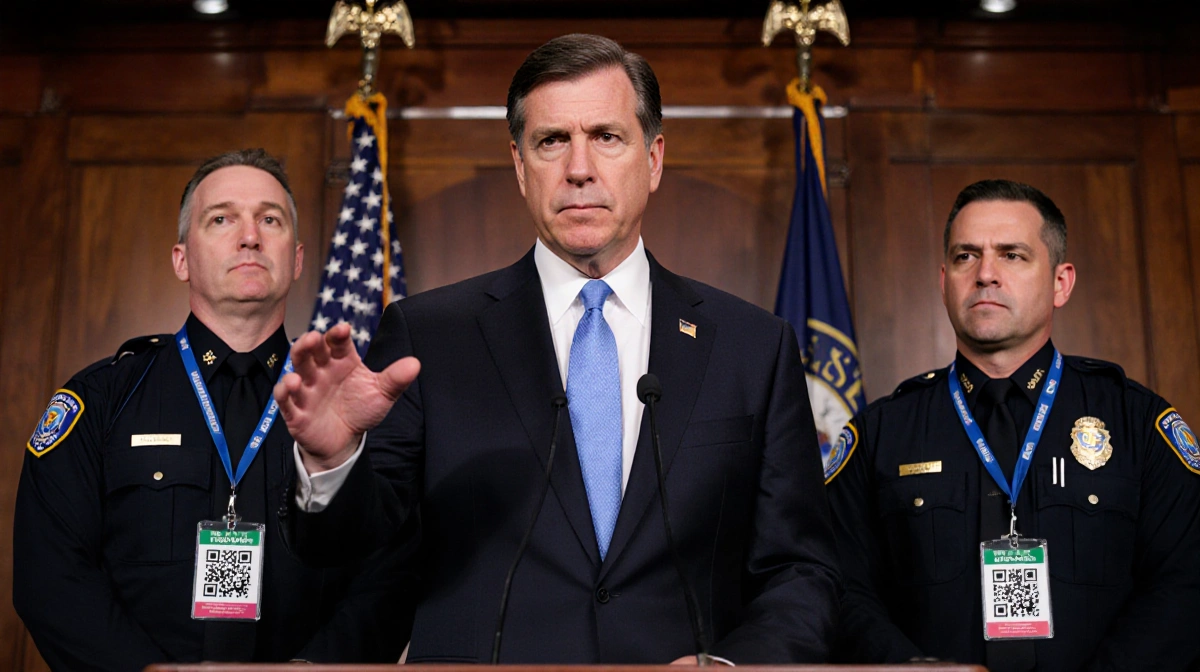
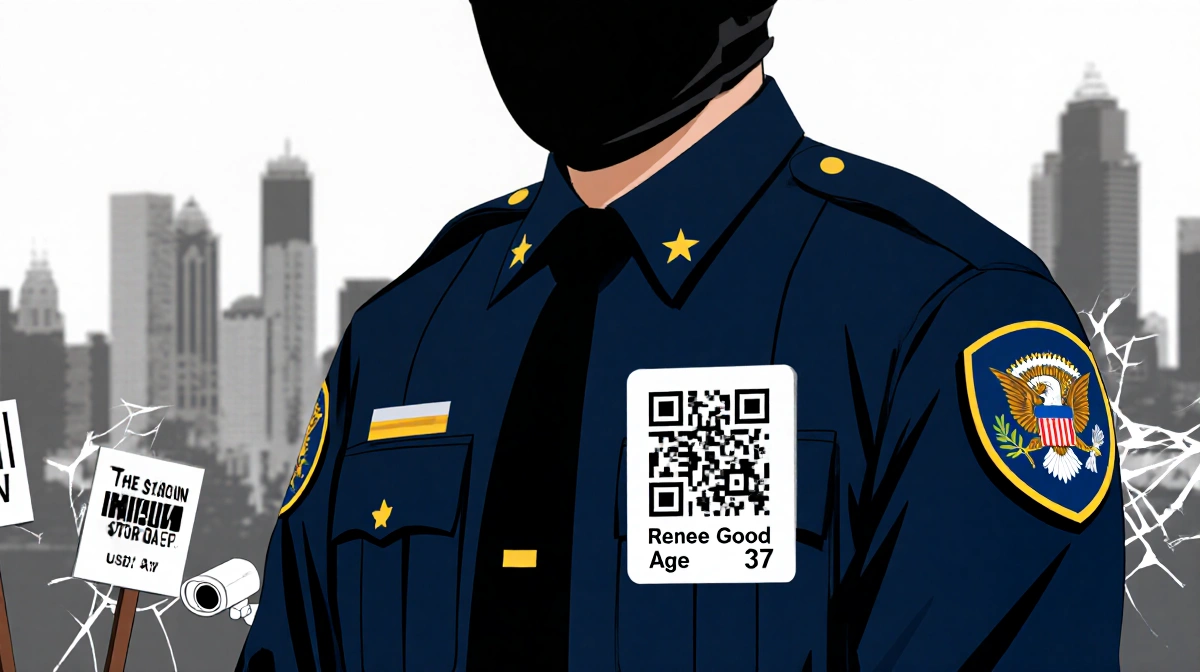
- The bill forces ICE and CBP officers to wear QR codes the public can scan
- Each code would reveal name, badge number, and agency-no home address
- Why it matters: Advocates say it could limit violent confrontations and help identify officers who hide or obscure their badges
A New York Democrat wants every immigration officer to wear a scannable code on their uniform. The goal is simple: let anyone with a phone learn who is confronting them without forcing a risky conversation.
The Bill
Rep. Ritchie Torres plans to drop the Quick Recognition (QR) Act in the House next week, Axios first reported and a spokesperson confirmed to News Of Fort Worth. The legislation would require Homeland Security to build a verification page that displays:
- Officer’s full name
- Badge number
- Agency (ICE or CBP)
- Operational unit or office
- Optional photo confirmation
- A timestamp proving the officer is on active duty
The page must not list home addresses or phone numbers.
Benny Stanislawski, Torres’s communications director, told News Of Fort Worth the concept is “that it could limit confrontations with an officer that could go south. Someone can get a picture from afar without having to engage with the officer, as we’ve seen instances of ICE obscuring their faces and badges and not reacting positively to requests for identification.”
The Problem
Masked federal agents have become a common sight. Officers have arrested residents on false pretenses, assaulted protesters, and, in Minneapolis, shot Renee Good, a 37-year-old woman, dead. The agent identified by the Star Tribune as Jonathan Ross covered his face and wore only generic “police” and “federal agent” labels. Reporters had to dig through court records after DHS revealed Ross had a prior car incident with an immigrant; a QR code might have sped identification, though the bill’s critics question whether officers who already ignore rules would wear the codes.
The Tech Debate
Torres’s team points to police uniforms in the Dominican Republic that embed QR codes on the left arm. Those uniforms also show the officer’s name, rank, and agency in plain text-something the U.S. proposal does not mandate.
Critics argue a QR-only approach creates a “tech tax”: anyone without a smartphone or steady connectivity is out of luck. They also note that if an officer is willing to assault someone, stealing or ignoring a mandated QR patch is trivial.
Social-media reaction has been blistering. One Bluesky user wrote, “Scanning the officers’ QR codes as they bash my face in and steal my phone,” referencing a recent ProPublica report. In that case, a 16-year-old in Houston recorded federal agents, who then allegedly placed him in a chokehold, took his phone, and sold it through a vending machine near an ICE detention center.
Next Steps
The bill text has not yet been filed, but Torres’s office says introduction will happen next week. If enacted, Homeland Security would have to roll out the verification system and ensure every ICE and CBP officer wears the code-something skeptics doubt an agency they call “lawless” would enforce.
Key Takeaways
- Torres wants QR codes to replace hidden badges
- The idea is transparency without direct confrontation
- Critics say low-tech name tags would help more people