
Published January 19, 2026
At a Glance
- Dallas hosted its annual Martin Luther King Jr. Day parade on January 19, 2026.
- The parade began at the intersection of MLK Blvd. and S.M. Wright and finished at Fair Park.
- Theme: “Walk Together in Unity with Purpose,” emphasizing Dr. King’s legacy and Dallas’ commitment to compassion, justice, and shared progress.
- Why it matters: The event demonstrates community unity and honors a national holiday.
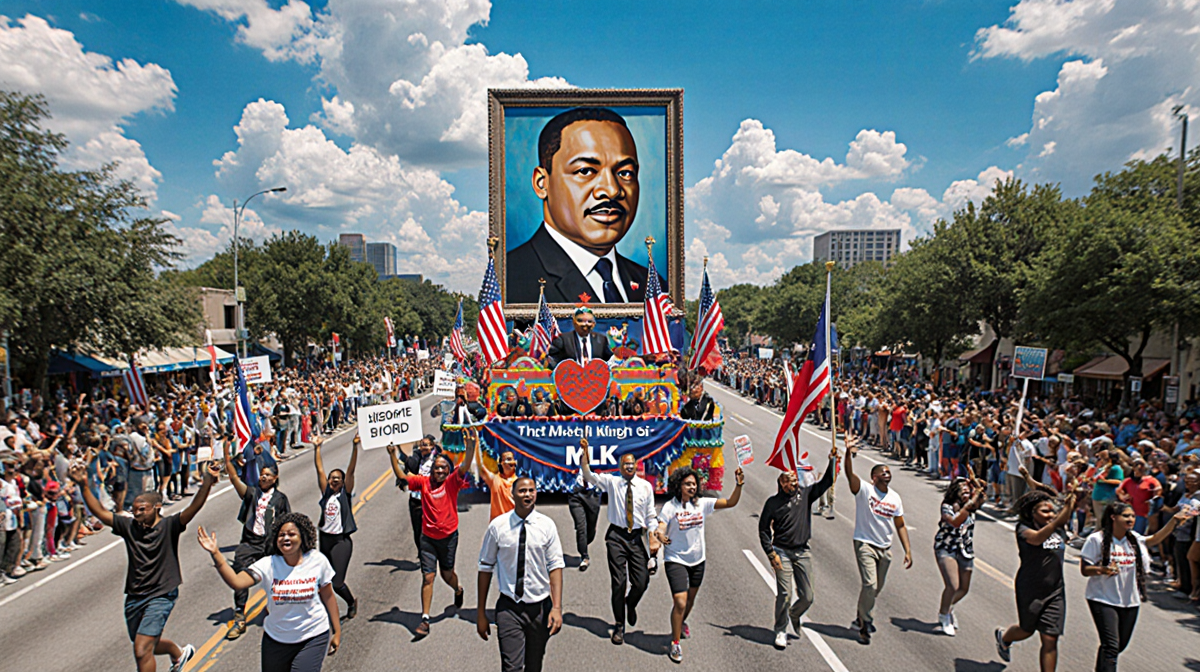
On Monday, January 19, 2026, the city of Dallas celebrated Martin Luther King Jr. Day with a parade that highlighted its commitment to unity and justice. The procession began along MLK Blvd. and S.M. Wright and concluded at Fair Park, drawing residents from across the region. The event, organized in partnership with H.E.L.P. (Hope Encourage Love Protect), carried the theme “Walk Together in Unity with Purpose.”
The parade was organized by the City of Dallas in association with H.E.L.P., an organization dedicated to fostering hope, encouragement, love, and protection. The route spanned several city blocks, starting at the intersection of MLK Blvd. and S.M. Wright and winding through downtown before reaching Fair Park. Participants marched in support of Dr. King’s enduring legacy and the city’s vision of compassion, justice, and shared progress.
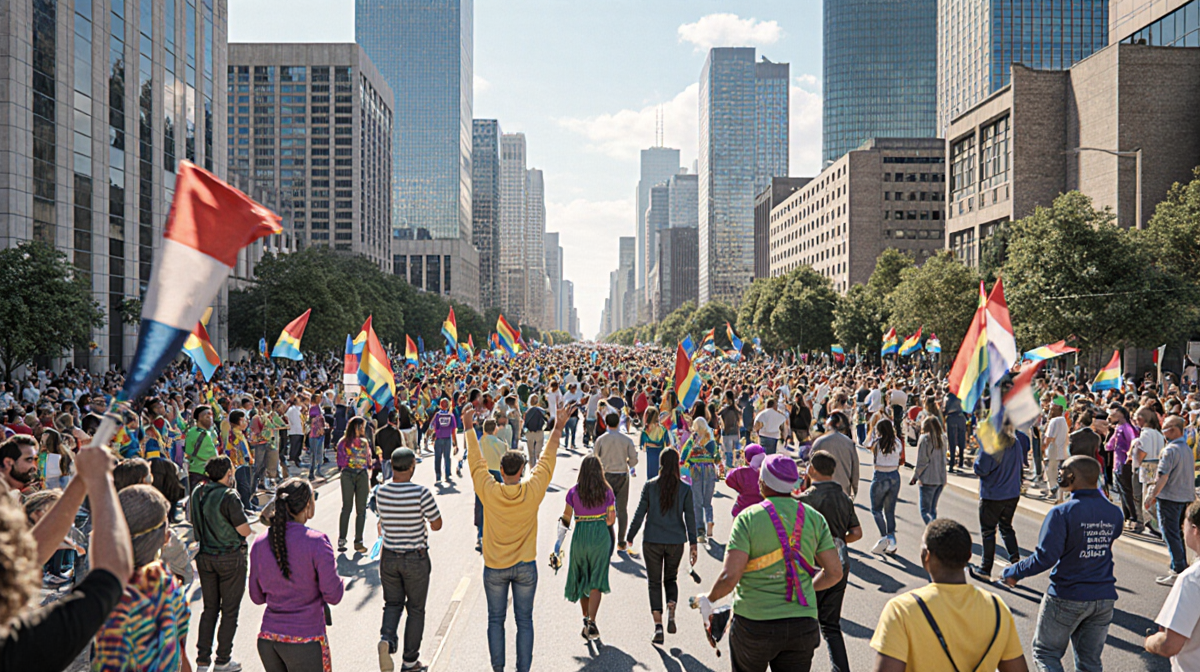
The parade’s starting point was the intersection of MLK Blvd. and S.M. Wright, a location chosen for its visibility and accessibility. From there, the procession moved along MLK Blvd., passing key civic landmarks before heading toward Fair Park. Fair Park, the chosen endpoint, is a historic venue that hosts numerous community events throughout the year.
The theme, “Walk Together in Unity with Purpose,” underscores the importance of collective action and shared intent. It honors Dr. King’s legacy by promoting equality, justice, and community cohesion. The theme also reflects Dallas’ pledge to lead in compassion, justice, and shared progress.
The City of Dallas served as the primary organizer, coordinating logistics and route planning. H.E.L.P. collaborated closely, providing resources and outreach to ensure broad participation. NBC 5 and Telemundo 39 acted as proud sponsors, supporting the event through media coverage and community engagement.
Residents gathered along the route, creating a sense of unity and shared purpose. The parade highlighted the city’s commitment to justice and compassion, reinforcing community bonds. Participants expressed appreciation for the opportunity to honor Dr. King’s vision and Dallas’ leadership role.
The Dallas MLK Day parade exemplified the city’s dedication to unity, justice, and shared progress. The partnership between the City of Dallas and H.E.L.P. showcased effective community collaboration. The event’s sponsorship by NBC 5 and Telemundo 39 underscored the importance of media support in community celebrations.
Martin Luther King Jr. Day is a federal holiday that commemorates the civil rights leader’s impact. Cities across the United States organize parades to celebrate his legacy. Dallas has been hosting its own parade annually, fostering community engagement and remembrance.
Organizers began planning months in advance, coordinating with local businesses and community groups. Volunteer crews prepared signage, floats, and safety measures along the route. The City of Dallas ensured traffic management and public safety throughout the event.
Numerous community groups joined the parade, showcasing cultural diversity. Participants included local schools, faith-based organizations, and civic clubs. Each group contributed to the parade’s vibrant atmosphere and message of unity.
NBC 5 provided live coverage, offering viewers a glimpse of the festivities. Telemundo 39’s involvement extended to bilingual reporting, reaching a broader audience. Both networks highlighted the parade’s themes and community participation.
After the parade, organizers reflected on the event’s success and areas for improvement. Feedback indicated high community satisfaction and a desire for continued collaboration. Plans are underway to build on this year’s momentum for next year’s celebration.
Dallas intends to maintain its annual parade tradition, reinforcing its values of unity and justice. Future iterations may incorporate new themes while honoring Dr. King’s enduring influence. The partnership with H.E.L.P. and media sponsors will likely continue to support the event.
Route highlights included the main thoroughfare of MLK Blvd., which provided a central axis for the procession. The route’s design allowed for easy access to key civic landmarks. The final stretch to Fair Park offered a celebratory setting for the parade’s conclusion.
Community leaders from various sectors attended the parade, lending support and visibility to the event. Their presence underscored the city’s collaborative spirit and commitment to shared progress. Leaders encouraged residents to continue advocating for justice and compassion.
Volunteer contributions were vital to the parade’s success. Volunteers managed crowd control, assisted participants, and maintained cleanliness along the route. Their dedication highlighted the community’s commitment to collective action.
Safety measures included coordinated traffic control and medical support along the route. The City of Dallas worked with local law enforcement to maintain a secure environment for all participants. These precautions were essential to the parade’s overall success.
Economic impact of the parade included increased foot traffic to nearby businesses and heightened visibility for local vendors. Vendors along the route offered food, merchandise, and community resources. The event’s presence contributed to a modest boost in local commerce during the festivities.
Cultural significance of the parade extended to the celebration of Dallas’ diverse population. Cultural performances showcased the city’s rich heritage. The parade reinforced the message that unity transcends cultural boundaries.
Educational outreach involved school groups presenting lessons on civil rights history. Students shared their knowledge through performances and displays. The parade served as a practical learning experience for participants and observers alike.
Public reception of the parade was reflected in positive social media posts and community feedback. Residents praised the event’s organization and thematic focus. The parade’s success was evident in the enthusiastic participation and widespread support.
Legacy of the parade lies in its ability to unite residents around a common cause. It remains a testament to Dallas’ commitment to justice and compassion. The event’s impact extends beyond the day of celebration, influencing future community initiatives.
Acknowledgements were extended to all volunteers, sponsors, and participants who contributed to the parade’s success. Their collective efforts ensured a memorable celebration that honored Dr. King’s vision and Dallas’ leadership role.
Future plans include maintaining the annual parade tradition while exploring new themes. The City of Dallas and H.E.L.P. will continue to collaborate on event organization. Media sponsors will likely remain integral to the parade’s promotion.
Media impact of the event was highlighted through live broadcasts and bilingual reporting. NBC 5 and Telemundo 39’s coverage extended the parade’s reach beyond the city’s borders. Their support underscored the importance of media in community celebrations.
Organizational lessons learned emphasize the value of early planning and community collaboration. The partnership between the City of Dallas and H.E.L.P. proved essential to the parade’s success. These lessons will guide future event planning.
In conclusion, the Dallas MLK Day parade exemplified the city’s dedication to unity, justice, and shared progress. The event’s organization and sponsorship underscore the importance of community collaboration and media support.