
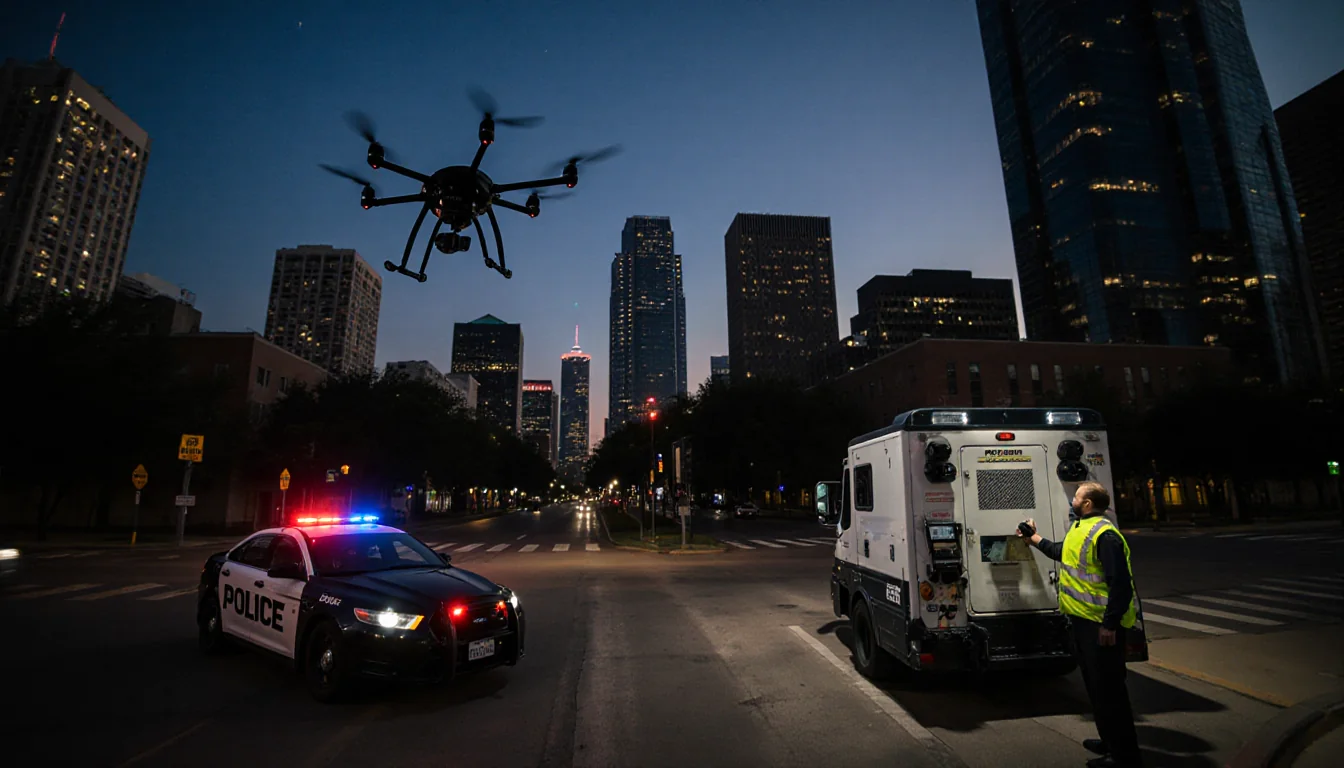
In a city that has seen more than 11,500 calls for random gunfire this year, Dallas Police are turning to a multi‑layered strategy that blends existing gunshot detection with new technology.
The City’s Layered Response
Dallas Police announced this week that they will integrate license plate readers, cameras and drones into their response to random gunfire. The plan was presented to the city council after the department’s own gunshot detection pilot, which began in March, activated 163 times across a 24‑square‑mile area.
Major Yancy Nelson, who heads the department’s firearms division, told council members that the current system had not delivered the success they had expected. “We haven’t seen the success that we thought that we would have,” Nelson said.
The new approach aims to give officers a faster, more comprehensive view of incidents. According to Nelson, drones could be dispatched to a gunshot detection activation within 30 seconds to two minutes, providing real‑time aerial footage that can help pinpoint the source of the shots.
The department is now searching for a new gunshot detection system that will be tested in a six‑month pilot program that incorporates the integrated technology. The goal is to improve response times and reduce the number of random gunfire incidents that affect residents.
Community Voices
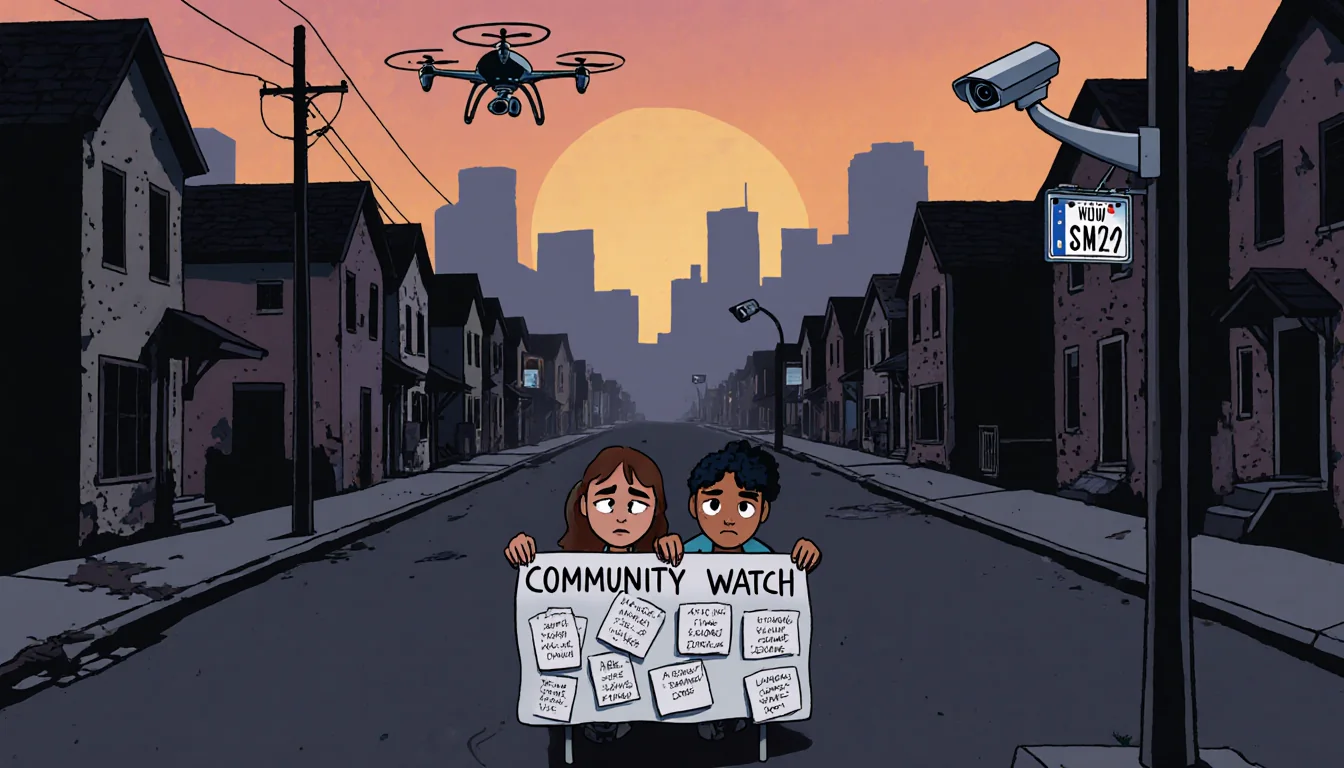
The urgency of Dallas’s gunfire problem was highlighted in a recent interview with Andi Guevara and her neighbors in the Villas of Prairie Creek neighborhood in Southeast Dallas. The community has been plagued by random gunfire every weekend for two months, and the situation has only changed in scale, not in frequency.
“There’s a mental and emotional aspect that this is creating,” Guevara said. “Sometimes we’re walking and it’s not even that dark outside and we’re hearing gunshots and we’re like, where is it? Do I need to drop?”
A video posted two weeks ago shows a gunman firing back‑to‑back rounds from a nearby park at 3:00 a.m. The incident illustrates the unpredictable nature of the shootings and the difficulty residents have in identifying the source.
The gunfire now occurs about once a month, according to Guevara, a frequency that still leaves the community on edge. The residents were initially encouraged by the department’s gunshot detection pilot program, but the persistence of the shootings has tempered that optimism.
Technology and the Future
Dallas Police’s plan to layer new technology over the existing gunshot detection system is a response to the limitations of the current system. While the 24‑square‑mile coverage has been useful, the activation count of 163 times this year shows that it is not capturing every incident.
The integration of license plate readers and cameras will add a layer of identification that can help trace suspects. Drones, which can cover a wide area quickly, will provide additional situational awareness for officers on the ground.
The department’s search for a new gunshot detection system will focus on a six‑month pilot that incorporates all three technologies. The hope is that a more robust system will reduce the number of random gunfire calls and provide quicker, more accurate responses.
Key Takeaways
- Dallas Police have received over 11,500 random gunfire calls this year.
- The current gunshot detection system, covering 24 square miles, has activated 163 times.
- Major Yancy Nelson announced a layered approach with license plate readers, cameras and drones.
- Drones could respond to an activation in 30 seconds to two minutes.
- The department is seeking a new detection system for a six‑month pilot program.
- Residents in The Villas of Prairie Creek have experienced random gunfire about once a month.
Closing
The city’s new strategy reflects a growing recognition that technology alone cannot solve the problem of random gunfire, but it can provide the tools needed for a faster, more effective response. By combining existing detection with advanced imaging and rapid aerial support, Dallas Police hope to bring relief to communities that have long endured the threat of sudden gunshots.
The outcome of the six‑month pilot will be closely watched, as it could set a precedent for how cities nationwide address the challenge of random gunfire. For now, the residents of Southeast Dallas remain hopeful that the layered approach will finally bring the peace and safety they have been seeking.