

At a Glance
- Florida-based Sailfish Investors wants to build a 2,000-acre data center and power plant in southern Hood County
- Residents packed a commissioners meeting urging leaders to pause the Comanche Circle development
- County leaders scheduled a public hearing and vote on a proposed moratorium for Feb. 10
- Why it matters: Locals fear the project could permanently alter land, air, and water while adding stress to electricity and water supplies
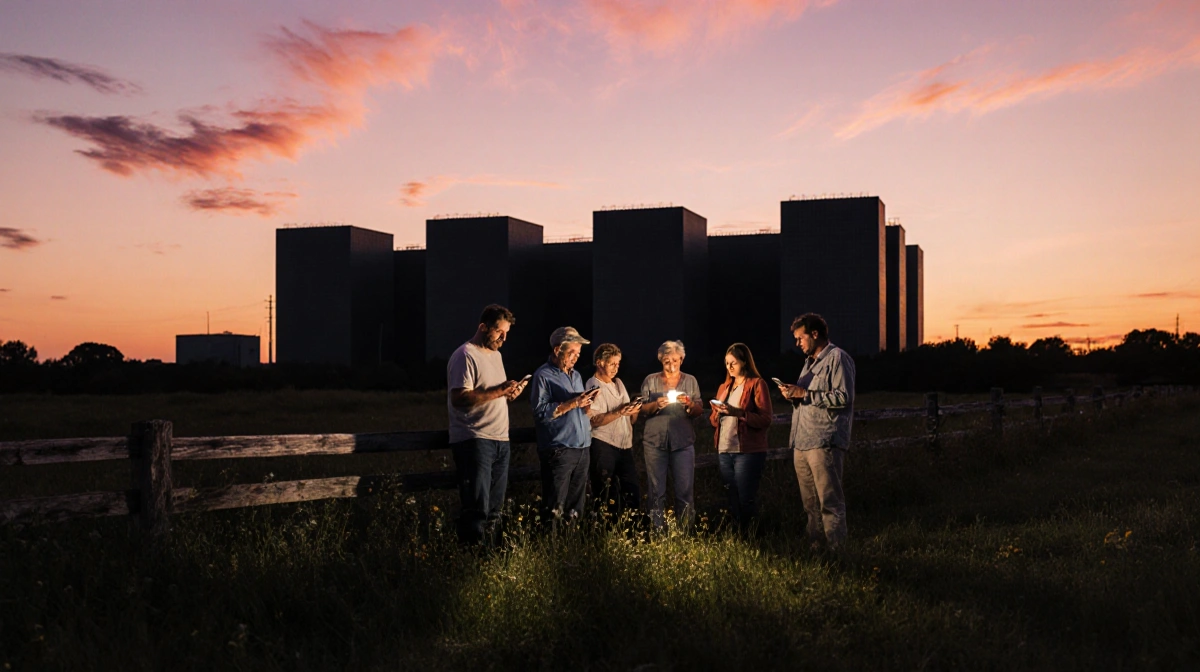
A proposed 2,000-acre data center and power plant in Hood County is drawing fierce opposition from residents who say the massive development could forever change their rural way of life.
The Comanche Circle project, put forward by Florida-based Sailfish Investors, would rise off Pulaxy Highway in the southern part of the county. If approved, it would become one of the largest data-center footprints in the region and include an on-site power plant to keep servers running.
More than 100 residents turned out for Tuesday’s commissioners meeting, filling every seat and lining the walls. Over a dozen speakers took the microphone during the public-comment period, all urging elected officials to slow the process and study the long-term impacts.
“Do your homework, go slow and get it right,” resident Cindy Highsmith told the court.
Neighbors voiced worries about noise, traffic, water use, and the loss of agricultural land. Several said the county’s recent experience with a cryptocurrency facility-whose cooling-fan hum has already irritated nearby homeowners-shows what can happen when large-scale tech operations move in without careful vetting.
“I know we would rather deal with a lawsuit than something that will fundamentally change our land, air and water forever,” resident Matt Long said.
News Of Fort Worth contacted Sailfish Investors with detailed questions about power sources, water demand, and job projections. The company has not yet responded.
Commissioners ended the night by continuing the item and handing the developer a list of conditions that must be satisfied before any permits are granted. They also set a public hearing-and a possible vote on a development moratorium-for Feb. 10.
Rural Counties Become Prime Targets
Big-tech demand for cloud-computing capacity is driving a surge in data-center construction across Texas. Rural counties with open land and comparatively few zoning hurdles have become attractive sites for investors racing to meet artificial-intelligence and streaming-service needs.
A recent study by Data Center Watch found that while projects promise tax revenue and jobs, they increasingly face local resistance over resource use. Modern server farms can require hundreds of thousands of gallons of water per day for cooling and rely on redundant power supplies that sometimes include dedicated gas-fired generators.
Hood County Judge Ron Massengill acknowledged the tension between economic development and quality-of-life concerns. “We have to balance growth with protecting what brought people here in the first place,” he said after the meeting.
Generational Landowner Fears
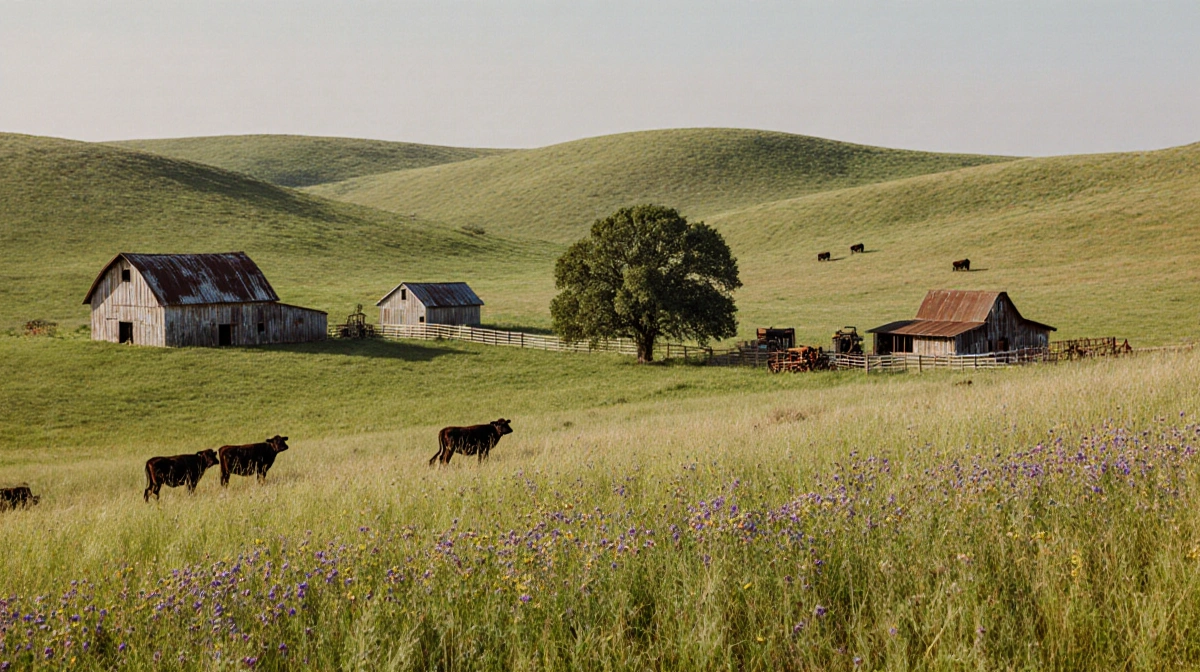
For many residents, the issue is personal. Families have held acreage in the area for generations, raising cattle and growing crops on rolling prairie now eyed for concrete and steel.
“Honestly, it makes you want to cry. We’ve all worked hard. We have our land. [For] some people, it was passed down for generations,” said Meredith Bennet, whose property borders the proposed site. “All of this is being shoved down our throats, and we have no say in what is happening in our community.”
Commissioners stressed that no final decisions have been made. The Feb. 10 session will give the public another chance to comment before any moratorium vote. If a moratorium passes, new data-center or crypto-mine permits would be frozen for up to 120 days while staff drafts updated development rules.
Timeline of Key Dates
| Date | Action |
|---|---|
| Jan. 30 | Packed commissioners meeting; Sailfish Investors’ proposal discussed |
| Feb. 10 | Scheduled public hearing and possible moratorium vote |
| TBD | Deadline for developer to submit revised plans addressing county conditions |
What Happens Next
County staff will spend the next two weeks reviewing the project against existing land-use and environmental ordinances. They will also draft language for a potential moratorium that could cover data centers, crypto mines, and other high-load industrial users.
Sailfish Investors must provide:
- Detailed water-use projections
- Noise-impact studies
- Traffic-impact analysis
- Proof of sufficient electrical-grid capacity or on-site generation plans
If the developer satisfies those requirements and no moratorium is enacted, the project could return to the court for preliminary approval as early as March.
Key Takeaways
- A 2,000-acre data-center campus with its own power plant is proposed for southern Hood County
- Residents worry about strain on water, power, and rural character
- County leaders have paused the process and may impose a temporary moratorium
- The next public hearing and vote is scheduled for Feb. 10