
At a Glance
- ICE List claims to hold data on nearly 4,500 DHS employees.
- The site’s database relies largely on publicly posted LinkedIn profiles.
- DHS has warned that publishing ICE officer identities could be “doxing.”
Why it matters:
The debate over public records and officer safety hinges on how much personal data is freely available online.
The story began when ICE List’s creators announced a leak of personal information about almost 4,500 Department of Homeland Security employees. Their claim was met with scrutiny from a recent analysis by News Of Fort Worth, which found that the database pulls heavily from information that these individuals have already shared on public platforms.
ICE List and the Leak
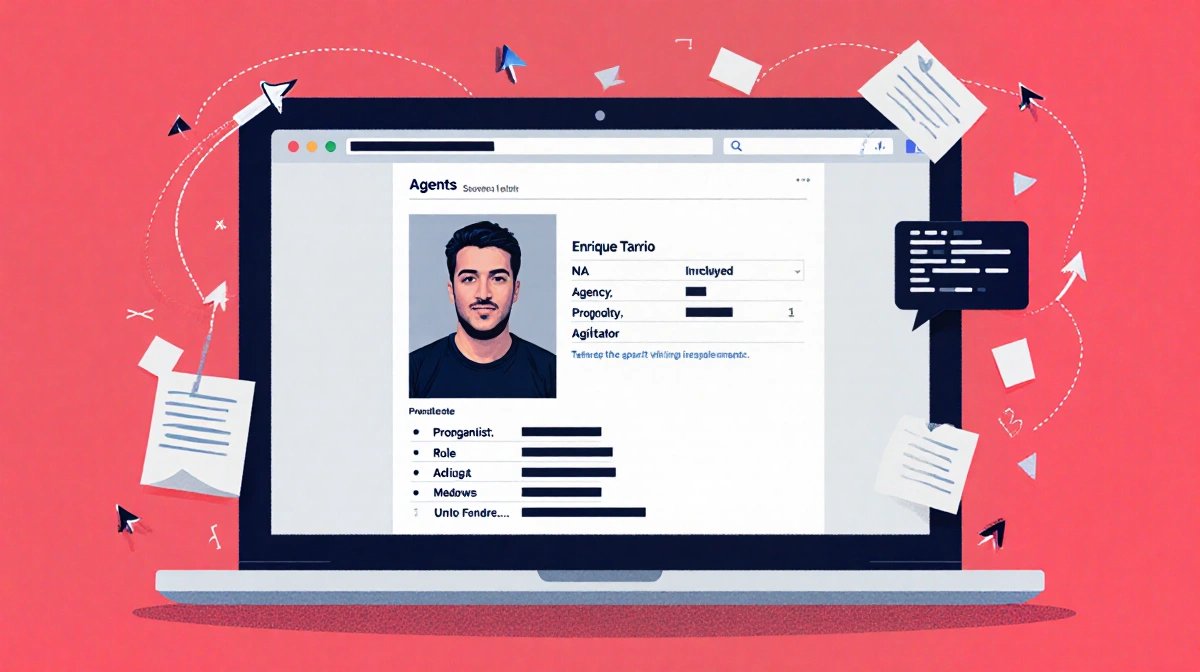
ICE List operates as a crowdsourced wiki maintained by volunteers. Like Wikipedia, it has no affiliation with the federal agency but offers category pages linking to every entry in that category. The site’s “Agents” category includes people who are not ICE employees, such as former Proud Boys leader Enrique Tarrio. On his page, the “Agency” field reads “N/A” and his “Role” is listed as “Propagandist; Agitator.”
“If this were doxing, then we dox ourselves by simply being present in online environments, said Dominick Skinner, owner of ICE List.”
What the Database Contains
A review of the 1,580 pages in the “Agents” category as of January 22 showed that nearly 90% cite LinkedIn as a source. However, many of those links are now broken or do not support the claims made on the wiki. Some entries list former legal advisors or other roles that match official ICE press releases and court records.
DHS Response and Doxing Concerns
DHS has described reporting on or publicizing ICE officer identities as “doxing” and has threatened to prosecute offenders to the fullest extent of the law. In a press release last October, DHS warned that ICE officers were facing a more than 1,000% increase in assaults and that their families were being threatened online.
Sources of Information
Besides LinkedIn, ICE List pages cite OpenPayrolls, a public database of federal employee salaries, and SignalHire, a data broker that links to LinkedIn profiles. OpenPayrolls clarified that its records are released by the U.S. Office of Personnel Management via a Freedom of Information Act request and has no affiliation with ICE List. SignalHire did not respond to a request for comment.
Case Study: Jonathan Ross
The controversy intensified when DHS Secretary Kristi Noem admonished a CBS News journalist for mentioning the name of Jonathan Ross, an ICE Enforcement and Removal Operations officer who was involved in a fatal incident in Minneapolis. Ross’s identity was inadvertently revealed when federal officials disclosed details of a prior incident involving a car drag during an enforcement operation.
Legal and Safety Implications
ICE officers are expected to support prosecutions by preparing investigative reports and submitting court testimony. Public records of these activities are available, but the disclosure of personal details can endanger officers and their families. DHS spokesperson Tricia McLaughlin stated that “doxing our officers put their lives and their families in serious danger.”
Expert and Agency Comments
Independent journalist Ken Klippenstein reported that U.S. Border Patrol documents instruct employees to be mindful of social media posts. A CBP official, Kyle Harvick, declared that rising doxing and facial recognition technologies create operational risks that justify protective measures such as wearing masks in public.
What This Means for Public Records
The debate illustrates a tension between transparency and safety. While the data on ICE List largely comes from publicly shared profiles, the aggregation and presentation of that data raise concerns about privacy and security for federal employees.
Key Takeaways
- ICE List’s database is built largely from public LinkedIn profiles.
- DHS warns that publishing ICE officer identities can be considered doxing.
- Public records of officer activities exist, but personal details may pose safety risks.
- Agencies are calling for protective measures to mitigate doxing threats.