

At a Glance
- Families are turning volunteer work into bonding moments.
- Kids help with seed balls, meal deliveries, and more.
- Real stories show confidence and community impact.
- Why it matters: Parents and children learn teamwork while making a difference.
Parents and children are discovering that volunteer work can be a powerful family activity. From crafting seed balls to delivering meals, these projects offer real learning and connection.
The Rise of Family Volunteering
Families are finding new ways to give back together, especially during the holiday season. Volunteer New York! highlights that many people want to help but don’t know where to start. The idea of working side-by-side creates lasting memories.
Overcoming Age Barriers
Cami Teacoach started a program after most organizations said no. “Everyone was like, ‘A 3-year-old can’t do that,’ and I was like, ‘No, I swear, he really can if you would just give him a chance.’
Polly Lagana, executive director of Volunteer New York!, said:
> “There’s a million different ways to help people and volunteer. So many families want to do this and literally just don’t know where to start.”
She notes that nonprofits often require helpers to be at least 18, but families can find projects that welcome younger participants.
Voices from the Field
Sapreet Saluja, executive director of New York Cares, added:
> “I’ve been very impressed with the detail-orientation and the precision and the following of directions and the care that some kids I’ve seen, as young as six, take to the tasks that they’re doing. It’s been explained to them that this is to benefit someone, and it’s important, and they’re following the directions and they want to get it just right. And in many cases, they’re more detail-oriented than the adults, which I think is very inspiring.”
Her comments underline that children can be more meticulous than adults when they understand the purpose.
Aviva Davis began helping with Meals on Wheels at age 8-year-old. “It definitely opened my eyes to what the world is like outside of our bubble. We saw all sorts of different things and I saw not everyone lives the same way.”
She is now 17.
Seth Davis added:
> “It’s a great chance for us to catch up as a family. When we’re not all on our phones, you get some pretty cool quality time.”
Bonnie Davis noted that the older the children get, the harder it is to find shared time. “The older they get, the harder it is to get that time together.”
Michael Bernaba described the experience of delivering cookies to veterans. “Going up to the houses, it was very nice, because they’re mostly living alone. A lot of their family or friends died.”
Matthew Bernaba reflected on his first deliveries. “For the first couple of deliveries I was more to myself, and as we kept going, we talked more with the veterans and got to hear great stories from them.”
Stephanie Bernaba shared that the project taught her son social skills. “It’s just nice to be there and bring it to them … They were very happy, especially for someone to bring them treats like that.”
Practical Ways to Get Involved
Families can start by looking for local projects that welcome children. Simple activities include:
- Packing grocery boxes for a food pantry
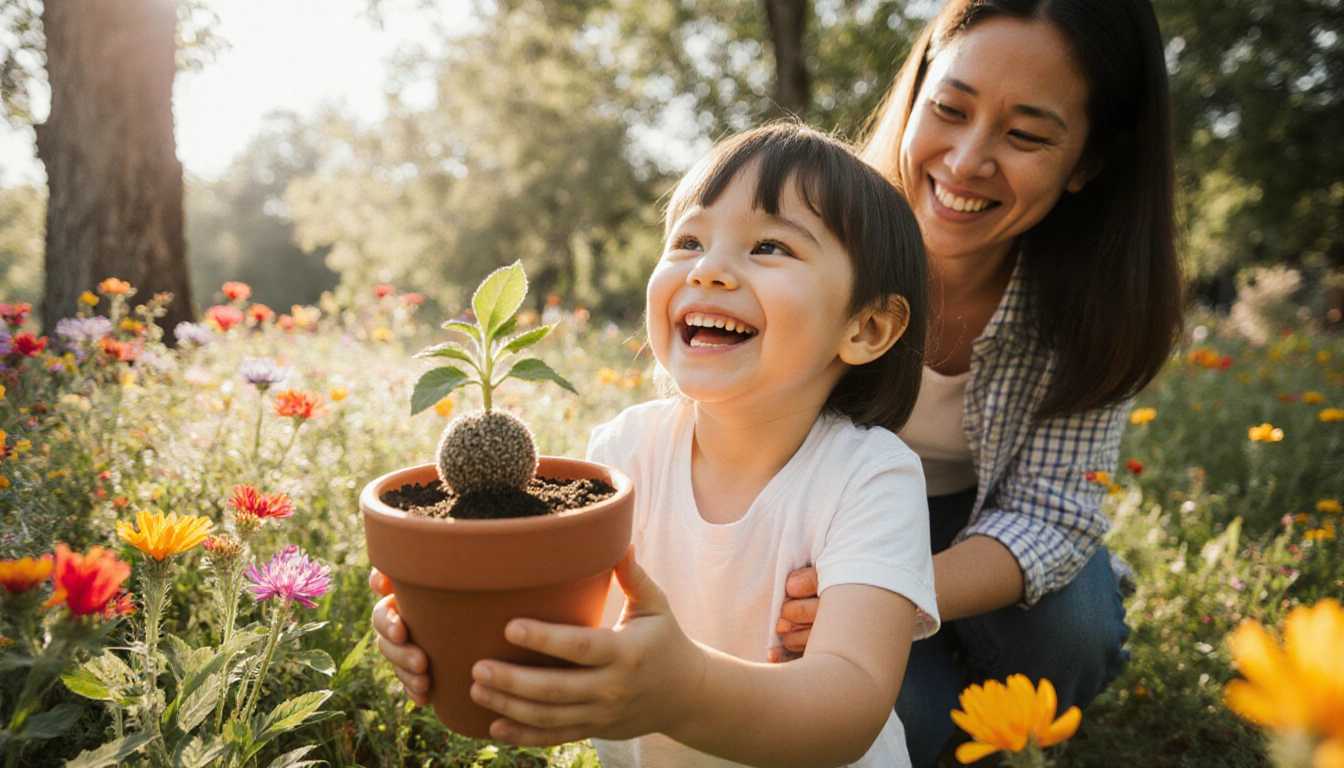
- Making seed balls for community gardens
- Delivering meals to seniors
- Baking cookies for veterans
These tasks are often short, safe, and highly rewarding for kids.
| Activity | Typical Age | Example |
|---|---|---|
| Packing groceries | 3+ | VolunTOTs |
| Delivering meals | 8+ | Meals on Wheels |
| Making seed balls | 3+ | Forest wildflower |
| Baking cookies | 8+ | Tough Cookies |
The table shows how age and activity match, helping families choose the right fit.
Creating Your Own Opportunities
When Cami Teacoach couldn’t find programs for her toddler, she founded VolunTOTs in Pittsburgh. The group packs 500 boxes of groceries, plays bingo with seniors, and makes dog treats for an animal rescue. Parents report that their children feel good about themselves and that it translates into better behavior.
Stephanie Bernaba started “Tough Cookies” when her son Matthew needed a school service project. The family bakes and delivers cookies to veterans, learning social skills and meeting people from different walks of life. Michael Bernaba recalls the first deliveries as scary, but later conversations with veterans were rewarding.
Bonnie Davis organized a menstrual supply drive and turned her son’s graduation party into a volunteer event. “It’s a win for everybody. You get quality time, you’re raising your children with what feels like good values, and people benefit.”
The Impact on Kids
Volunteering boosts confidence, teaches problem-solving, and strengthens family bonds. Children who help often show improved behavior and a sense of purpose. The shared experience creates lasting memories and teaches empathy.
Key Takeaways
- Families can turn volunteer work into meaningful bonding moments.
- Simple projects-packing groceries, delivering meals, making seed balls-are age-appropriate.
- Creating or joining local programs can give kids confidence and real community impact.
Families who volunteer together learn teamwork, empathy, and the joy of giving. These shared adventures are shaping the next generation of compassionate citizens.