
At a Glance
- The FCC barred DJI from importing any new drones into the U.S. on December 23, 2025
- Existing DJI drones remain legal to buy, own, and fly
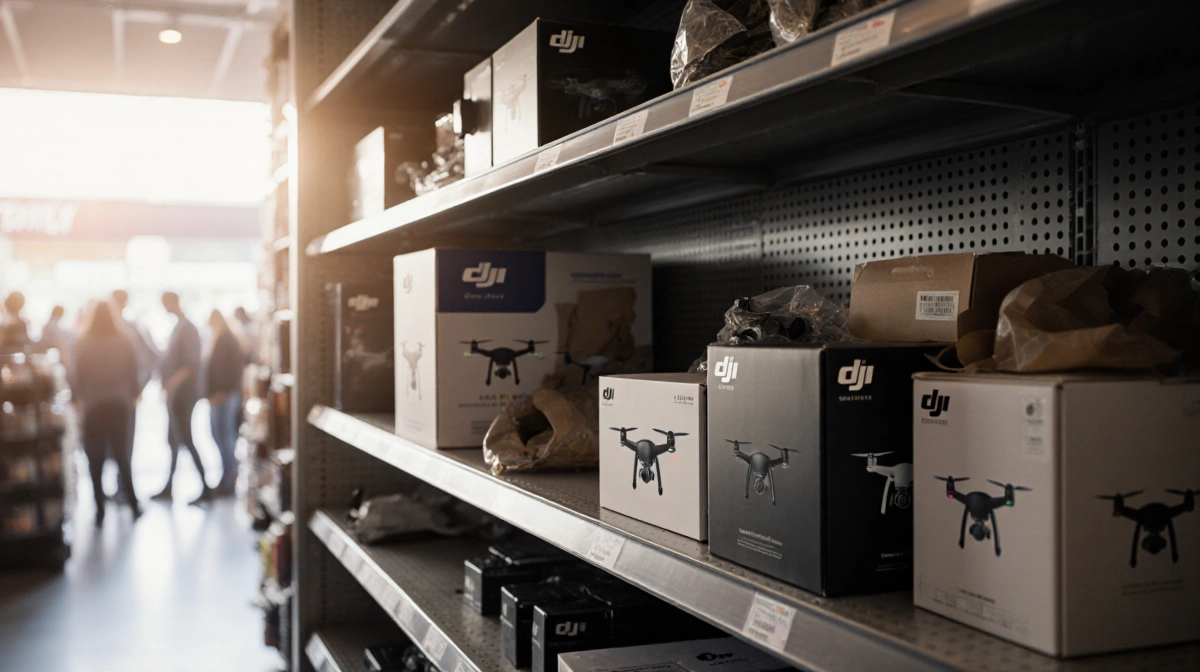
- Only future foreign-made drones are affected; current inventory stays on shelves
- Why it matters: Buyers who want a DJI drone should purchase now, as future models may never reach U.S. stores
The December 23, 2025, import restriction on DJI has created confusion about what consumers can and cannot do with drones. The rule blocks new foreign-made drones, yet Amazon still lists nearly the entire DJI lineup for immediate purchase.
What the Ban Actually Covers
The restriction targets only future imports. Nothing DJI manufactured in the past is affected. No one will confiscate drones already in circulation. Flying a drone remains perfectly legal.
The policy reaches beyond DJI. It covers all foreign-produced drones, including models from Autel Robotics, HoverAir, and others. DJI dominates headlines because it controls the largest share of the consumer market.
Why Shelves Stay Stocked
U.S. law requires every device that transmits radio frequencies to obtain FCC approval. Drones rely on radio links for control and video, so they fall under this requirement.
All affected companies now sit on the FCC’s Covered List. Placement on the list denies import approval, effectively blocking new sales. Retailers still ship existing inventory because those units already cleared customs before the cutoff date.
A Narrow Exemption Appears
Last week the FCC amended the Covered List to exempt drones already vetted through the Defense Contract Management Agency’s Blue UAS program. The agency stated that equipment on the Blue UAS list “do not currently present unacceptable risks to the national security of the United States.”
For consumers, the change matters only if you planned to buy a $13,600 Parrot Anafi USA Gov thermal model. Most hobby-grade aircraft remain excluded.
No Domestic Rush to Compete
Removing the market leader has not triggered a wave of U.S.-designed replacements. Skydio, once viewed as the likely beneficiary, has pivoted away from consumer sales to focus on enterprise and government contracts.
Commerce Department Plan Shelved
While the FCC rule limits future sales, a separate Commerce Department proposal could have grounded drones already in private hands. That more drastic plan has been tabled, leaving current owners unaffected for now.
What the Covered List Ban Does
- Blocks import of all future foreign drones and components
- Prevents manufacturers from refreshing U.S. inventory
- Keeps new models off American retail sites
What the Ban Does Not Do
- It does not remove existing drones from stores
- It does not outlaw owning or flying a current drone
- It does not alter FAA regulations; all standing rules remain in force
Outlook Hinges on Diplomacy
Drone policy is now entangled in broader U.S.-China trade politics. Presidents Donald Trump and Xi Jinping are scheduled to meet in April, but few expect a quick resolution. Until relations stabilize, manufacturers lack a path back onto U.S. shelves.
Buying Advice
If you have considered purchasing a DJI or other foreign drone, buying sooner rather than later is prudent. Once current stock sells through, replacements may not arrive.
Gray-market imports will probably surface, yet importing an unapproved drone risks legal penalties. News Of Fort Worth does not recommend that route.
Key Takeaways
- Inventory already inside the country can still be sold
- Future models face an indefinite import freeze
- Domestic alternatives have not materialized at scale
- April diplomatic talks could reshape the landscape, but no guarantees exist