
At a Glance
- The FDA approved the first at-home test detecting gonorrhea, chlamydia and trichomoniasis in women
- Two new oral gonorrhea drugs mark the first new treatments in decades
- CDC data shows three straight years of falling gonorrhea cases
- Why it matters: Home testing and new drugs could reverse years of rising STD rates
The Food and Drug Administration has cleared groundbreaking at-home testing and treatment options for common sexually transmitted diseases, marking the first major advances in decades as infection rates finally begin to decline.
New Home Testing Options
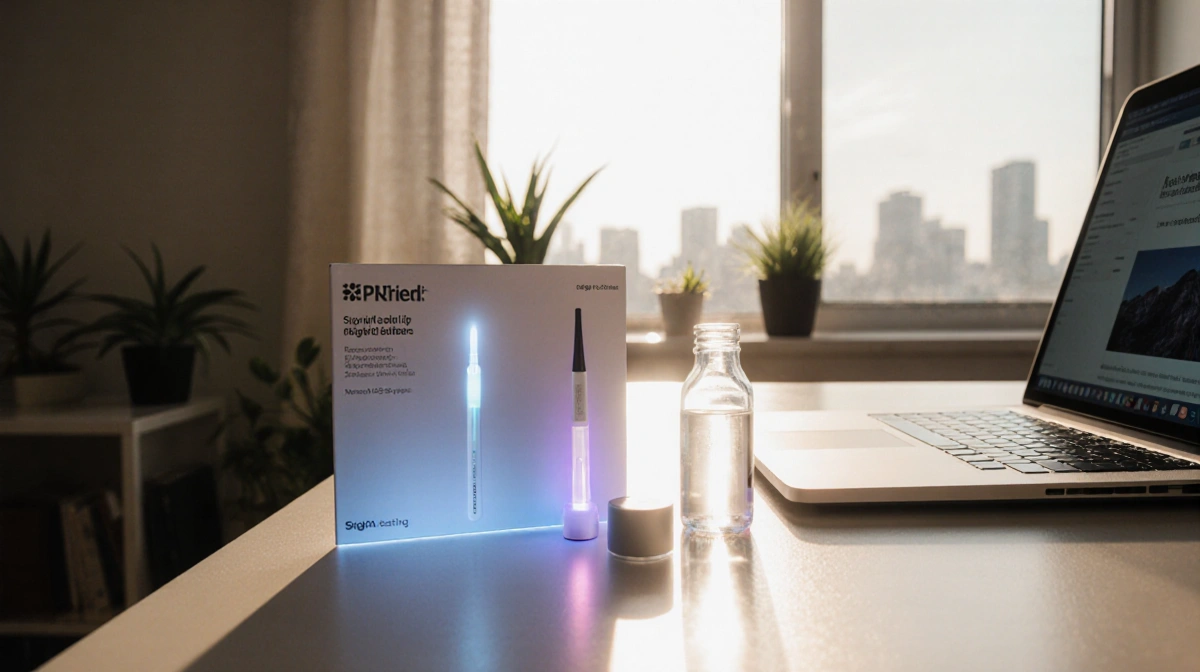
Last March, the FDA approved Visby Medical’s three-in-one test for women that detects gonorrhea, chlamydia and trichomoniasis using a urine sample and vaginal swab. The $150 kit includes a small electronic device that processes results and transmits them to a smartphone app within hours.
“Many patients are very hard to track down and a lot of them, if they have a positive test result, are never treated and are lost to follow-up,” said Dr. Gary Schoolnik, Visby’s chief medical officer and Stanford professor emeritus.
The test achieved 98% accuracy in clinical studies, matching hospital-based testing. Users receive telehealth consultations and can obtain prescriptions through the same platform, completing the entire process in as little as six hours compared to several days under traditional care.
In May, the FDA also approved Teal Health’s HPV testing kit, allowing women to collect their own vaginal samples at home for laboratory analysis. Updated federal guidelines now endorse self-collection for HPV screening for the first time.
First New Gonorrhea Drugs in Decades
The FDA ended 2024 by approving two oral medications for gonorrhea, the first new treatments since the 1990s. Both drugs address growing antibiotic resistance that has left few treatment options.
Nuzolvenc, developed through public-private partnership, comes as dissolvable granules. Bluejepa, manufactured by GlaxoSmithKline, is a tablet also approved for urinary tract infections.
“We were down to one class of antibiotics recommended to treat gonorrhea and we had no other good options,” said Dr. Ina Park, University of California San Francisco sexual health specialist. “So to have two new options in the same year is very exciting.”
The current standard treatment requires an injection of ceftriaxone. The new oral options eliminate the need for clinic visits and injections.
Infection Rates Show Improvement
CDC provisional data for 2024 revealed encouraging trends:
- Third consecutive year of declining gonorrhea cases
- Second straight year of fewer adult chlamydia cases
- Second year of reduced infectious syphilis cases among adults
Experts attribute the improvements to multiple factors:
- Reduced sexual activity among young people
- Increased use of antibiotics as post-exposure prevention
- Expanded at-home screening options
- Disrupted transmission patterns during the pandemic
Challenges Remain
Despite the advances, significant barriers persist. The $150 price for Visby’s test is not covered by insurance, potentially limiting access for many patients.
Home testing also creates new challenges for public health surveillance. Traditional reporting systems rely on large laboratory networks, but home tests may not be captured in national statistics.
Recent federal funding cuts to the CDC and other public health agencies compound these concerns. The Trump administration has reduced support for sexual health programs that help vulnerable populations access testing and treatment.
“I’m feeling very optimistic about the fact that people have more testing options and also that we now have access to new drugs,” Park said. “What I fear is these cuts to public health are going to decrease access to sexual health care for populations who can least afford to take advantage of these new options.”
Technology Transfer From COVID Testing
The pandemic accelerated development of home-based diagnostic technology. The same innovations that enabled over-the-counter coronavirus tests have been adapted for sexually transmitted infections.
Previously, the FDA restricted most home testing to health professional supervision. The shift toward consumer-friendly options reflects both technological advances and recognition of barriers to traditional care.
“Sexual health can be stigmatized and people can be hesitant about testing,” Park noted. “Now we have a lot of options for patients who may be wary of going into a provider’s office.”
The convergence of new testing technology, novel treatments and changing healthcare delivery models represents the most significant progress against sexually transmitted infections in a generation. While challenges around cost and surveillance remain, public health officials hope these tools can accelerate recent declines in infection rates.