
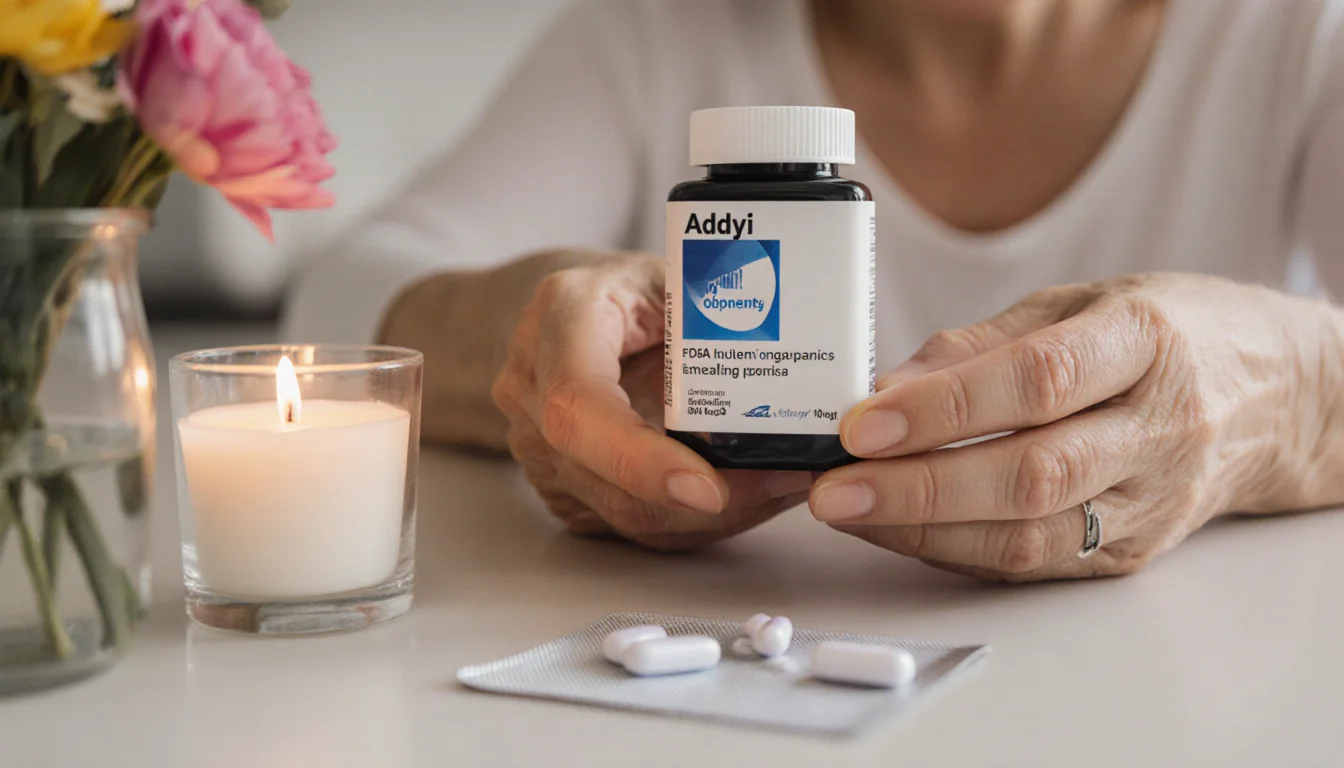

The FDA’s Monday announcement marked a significant shift in the treatment of low libido for women, extending the once‑daily Addyi pill to postmenopausal women up to 65 years old.
A New Eligibility Window
Addyi, first approved a decade ago for premenopausal women who reported emotional stress linked to low sex drive, now receives clearance for older women who have gone through menopause. The change allows the medication to be prescribed to a broader demographic that previously had limited options.
The Pill’s Profile
Sprout Pharmaceuticals markets Addyi as a daily oral treatment that targets brain chemicals involved in mood and appetite. While it offers a non‑injection alternative, the drug carries well‑documented side effects:
- dizziness
- nausea
- a boxed warning about alcohol interaction
The warning cautions that combining Addyi with alcohol can trigger dangerously low blood pressure and fainting. If a patient consumes several drinks, the label advises waiting a few hours before taking a dose or skipping one.
Market Performance and Competition
Addyi’s sales have not matched the lofty expectations that accompanied its initial launch. In 2019, the FDA approved a second low‑libido treatment—an on‑demand injection that operates through a different set of neurological chemicals—adding competition to the market.
Sprout’s Perspective
Sprout CEO Cindy Eckert expressed pride in the FDA update, stating, “reflects a decade of persistent work with the FDA to fundamentally change how women’s sexual health is understood and prioritized.” The company, headquartered in Raleigh, North Carolina, issued a press release announcing the expanded approval on Monday.
Understanding Hypoactive Sexual Desire Disorder
The medical condition, known as hypoactive sexual desire disorder (HSDD), has been recognized since the 1990s and is believed to affect a significant portion of American women. Diagnosis is complex, especially after menopause, when falling hormone levels trigger various biological changes and medical symptoms. Doctors must rule out relationship issues, medical conditions, depression, and other mental disorders before prescribing medication.
Some psychologists argue that low sex drive should not be treated as a medical problem, and the diagnosis of HSDD is not universally accepted.
FDA’s History with Addyi
Addyi faced rejection twice before its 2015 approval, with the FDA citing modest effectiveness and concerning side effects. The eventual approval followed a lobbying campaign by Sprout and its supporters, including the organization Even the Score, which framed the lack of female libido options as a women’s rights issue.
Key Takeaways
- FDA now approves Addyi for postmenopausal women up to 65.
- Side effects include dizziness, nausea, and alcohol‑interaction warnings.
- Sprout CEO Cindy Eckert highlights a decade of work to shift focus on women’s sexual health.
- The drug’s market performance has lagged behind initial expectations, with competition from a 2019 injection.
The expanded approval offers a new avenue for women struggling with low libido, but patients and clinicians must remain mindful of the drug’s side‑effect profile and the broader context of diagnosing hypoactive sexual desire disorder.