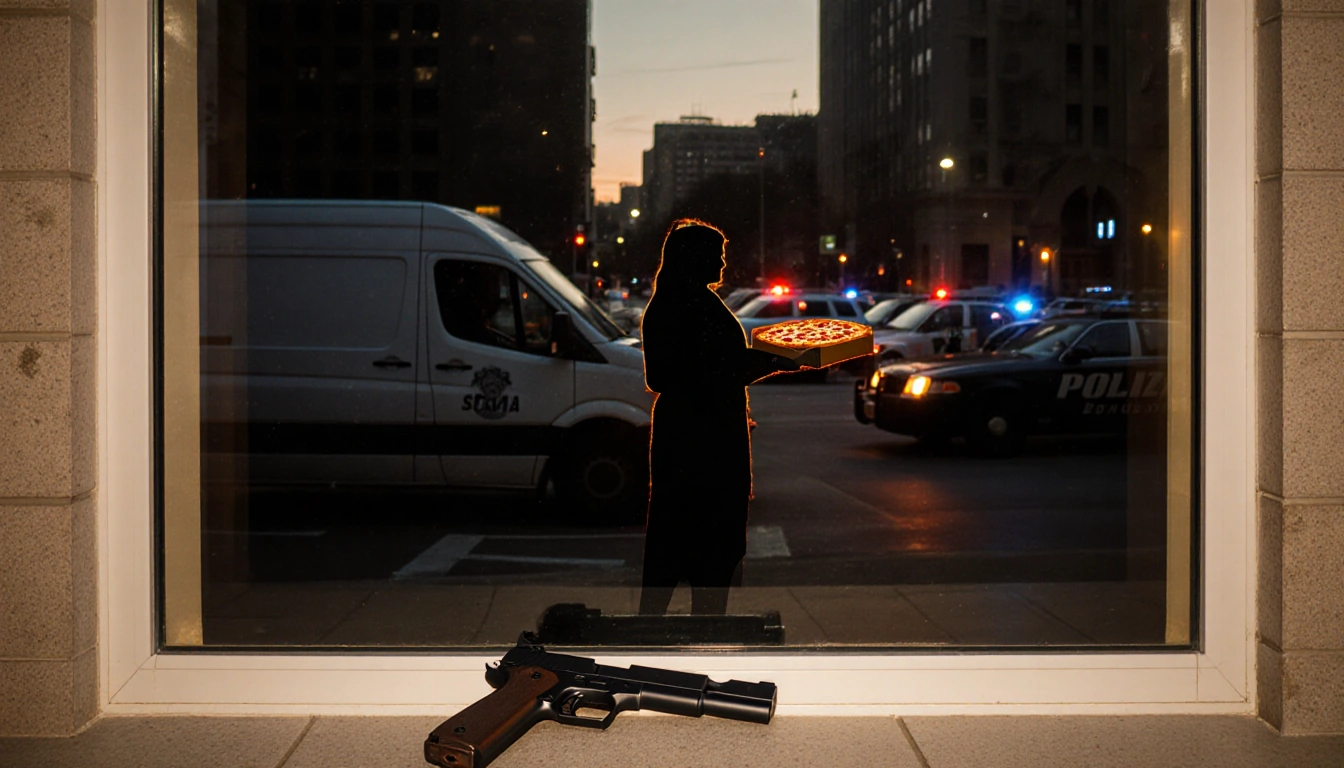

In a startling turn of events, 84-year-old Senior District Judge John Coughenour retrieved a gun from the Seattle federal courthouse and brought it home, citing the threats that have plagued judges who rule against President Donald Trump.
A Judge’s Long-Standing Career
Coughenour has served as a federal judge for almost 45 years, a tenure that began when President Ronald Reagan appointed him in 1981. Throughout that time, he has presided over high-profile criminal trials that sometimes put his personal safety at risk.
On January 23, 2021, just three days after Trump took office, Coughenour blocked an executive order that aimed to limit birthright citizenship. He described the proposal as “blatantly unconstitutional.” Trump later remarked in the Oval Office that the judge was “certainly no surprise”.
Threats and Swatting Incidents
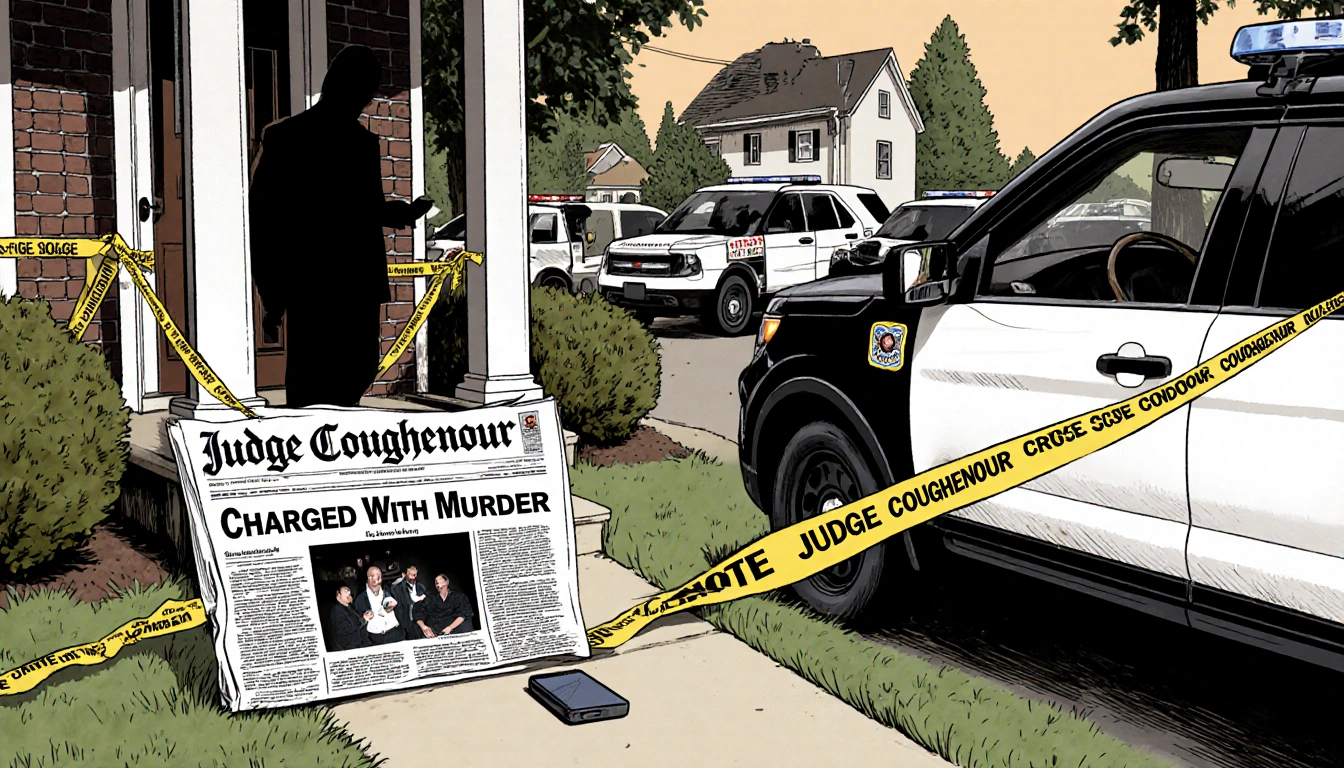
Shortly after the ruling, Coughenour became the target of a series of violent threats. An anonymous caller told the local sheriff’s department that the judge was barricaded in his house and had murdered his wife. Police arrived and found no evidence of a crime.
A second caller claimed there was a bomb in Coughenour’s mailbox, prompting another police response that also revealed no real danger. “I’m not a gun nut,” Coughenour said in an interview, but added that, because of the threats, “I have armed myself.”
The incidents are part of a broader pattern of intimidation. The U.S. Marshals Service, which protects judges, suspects that some of the anonymous pizza deliveries-an intimidation tactic-may be linked to foreign actors.
Pizza Deliveries as a New Threat
Judge Stephen Bough of Kansas City received unsolicited pizzas at 1 a.m. and 2 a.m., and his daughter in Atlanta also received a pizza. “The deliveries to their home addresses are a new way of intimidating judges,” Bough told NBC News. He worked with the Marshals and his homeowners association to enhance security.
A Trump-appointed judge faced death threats after a high-profile ruling. His wife was overseas at the time, and he expressed that he was more concerned about his family than his own safety.
Judge Esther Salas and the Dark Web
New Jersey-based Judge Esther Salas had to cancel her credit cards after a security breach linked to her professional role. She also received unsuccessful pizza attempts, with orders sent to former addresses. Salas, who has been a vocal advocate for judicial protection, noted that the Marshals Service had reported 103 pizza deliveries to judges who had ruled against the Trump administration or spoken out about threats. Twenty of those were sent to others in the name of her late son, Daniel Anderl.
“These bad actors continue to use my murdered son’s name as an attempt to inflict fear on my colleagues all throughout this country,” Salas said.
Foreign Connections and Cybersecurity
Three sources told NBC News that the Marshals Service suspected foreign involvement in the pizza deliveries, though no specific country was named. Cybersecurity expert Ron Zayas, who works with federal courts, said his investigation found signs of foreign intervention with hallmarks of Russia-allied activity. He added that while the initial wave of pizza deliveries may have started organically, it was quickly seized upon by foreign actors.
The Russian Embassy in Washington did not respond to a request for comment. Zayas’ company, Ironwall, helps judges scrub personal information from the internet. Federal law allows judges’ personal data to be redacted from easily accessible websites, but the data can still appear on the dark web.
Rising Threats and Judicial Response
The Marshals Service has recorded 564 threats against judges in fiscal year 2025, with 131 occurring since October. Chief Justice John Roberts noted in his annual report that the number of threats has tripled over the last decade. NBC News reported in September that some federal judges were upset that Roberts and the Supreme Court had not done enough to defend them.
Judges feel increasingly vulnerable at home, despite secure courthouses. The Marshals Service can set up home security but does not provide round-the-clock protection unless a specific threat exists. Some judges worry that the mounting dangers may deter future candidates from seeking judicial appointments.
Bough expressed that “Judges signed up to try their best to be neutral arbiters of the law and to follow precedent, and for it now to be at a point where I have to worry about the safety of my spouse and my children, that changes the entire dynamic.”
Coughenour’s Perspective
While Coughenour has been a target this year, his main concern is not for his own safety but for younger colleagues who may have children at home and for the nation’s democracy. “I’m 84 years old. Threats against my life expectancy are kind of hollow. I don’t have much time anyway,” he said. “I’m more concerned that our democracy is at risk because of the trends against the rule of law.”
Key Takeaways
- Federal judges, especially those ruling against the Trump administration, face swatting, bomb threats, and pizza intimidation.
- The U.S. Marshals Service suspects foreign actors, with evidence pointing to Russia-allied activity.
- Threats against judges have tripled over the last decade, with 564 recorded in FY 2025 alone.
The growing danger to the judiciary underscores the need for robust protections and a broader conversation about the safety of those who uphold the rule of law.