
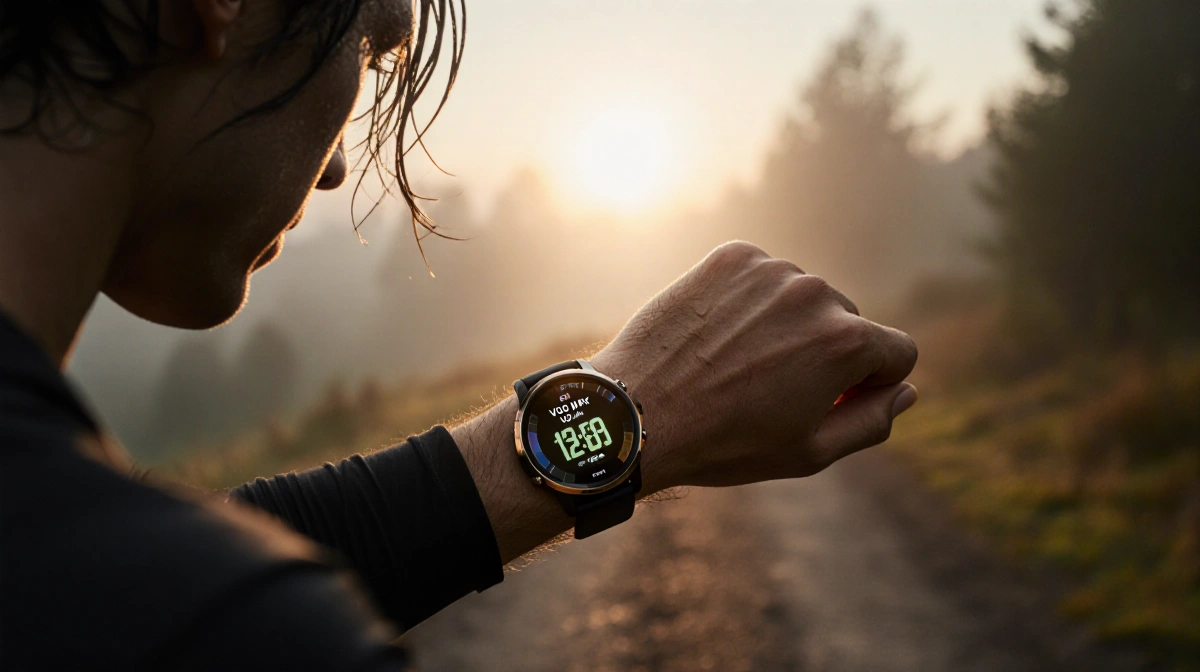

Your VO2 max number is popping up on smartwatches, wellness podcasts, and clinic intake forms. Once reserved for Olympians, the gold-standard cardio test is now sold to anyone who wants to quantify how well their heart and lungs shuttle oxygen under maximum effort.
At a Glance
- VO2 max quantifies the upper limit of oxygen your body can use during hard exercise.
- Lab tests cost $200-$400 and require a graded treadmill or bike protocol to voluntary exhaustion.
- Wearables from Garmin, Whoop, and Oura estimate the metric from heart-rate trends; accuracy varies but works for personal tracking.
- Higher scores correlate with lower risk of heart disease, diabetes, stroke, and early death.
- Why it matters: A single data point can guide training, flag health risk, and satisfy the quantified-self urge-if you understand what it actually measures.
What VO2 Max Really Is
“VO2 max is an objective measure of how a human energy system can take in oxygen and utilize it during exercise,” says Elizabeth Gardner, associate professor of orthopedic surgery at Yale University School of Medicine. The value, expressed in milliliters of oxygen per kilogram of body weight per minute, captures the moment your oxygen use flat-lines even as the treadmill keeps climbing.
Elite male cyclists might top 85 mL/kg/min; healthy young women average 40-45; sedentary adults can sit in the mid-20s. Genetics, sex, age, and body composition set the baseline, yet training can move the needle quickly.
Inside a Lab Test
The classic protocol starts with a mask that measures inhaled oxygen and exhaled carbon dioxide. After a brief warm-up, speed and incline rise every two to three minutes until the subject can’t continue. Technicians watch for the tell-tale plateau in VO2, plus a respiratory-exchange ratio above 1.10 and a heart rate near its predicted max.
Natalie A. Brooks described the experience at Canyon Ranch: a 7 a.m. slot, no caffeine, tight-fitting mask, and escalating effort until legs and lungs screamed. Results came the next day; self-doubt lingered longer.
Field and Wearable Alternatives
If a lab visit feels extreme, validated sub-max tests exist:
- Rockport One-Mile Walk Test – Walk a measured mile as fast as possible without running; plug finishing heart rate into an online calculator.
- Cooper 12-Minute Run – Cover as much distance as possible in 12 minutes; convert distance to an estimated VO2 value.
- Wearables – Garmin, Polar, Whoop, and Oura use proprietary algorithms that blend heart-rate data, pace, and profile stats. The absolute number may be off by 5-10%, but day-to-day trends track training progress.

Why the Number Fluctuates
Sleep debt, hydration status, room temperature, shoe type, and even conversational distractions can shift results by several percentage points. Carbon-plated supershoes, for example, improved lab values slightly by improving running economy, according to James Tyler McQuality, associate director of the Center for Sports Innovation at Illinois Tech University.
Because true VO2 max demands a maximal effort, many non-athletes hit a “VO2 peak” instead-still useful, but not necessarily the physiological ceiling.
Health and Performance Payoff
A high VO2 max is the strongest current predictor of long-term mortality, topping blood pressure, cholesterol, or smoking history. Each 3.5 mL/kg/min increase cuts cardiovascular risk by about 15%, says Malene Lindholm, exercise physiologist at Stanford Cardiovascular Medicine.
Endurance athletes use the metric to set pace zones, plan altitude camps, and time taper weeks. Weekend warriors gain a compass for how hard to push intervals without burning out.
How to Push Your Number Higher
- Build an aerobic base – 150-300 minutes per week of brisk walking, jogging, cycling, or swimming.
- Add intervals – Once comfortable, insert 3-5-minute efforts at 90-95% max heart rate, twice a week.
- Progress responsibly – Increase volume or intensity by no more than 10% each week.
- Consider weight impact – Because the formula divides by body weight, fat loss can raise the score even if absolute oxygen uptake stays constant.
Even walking works for beginners. “For people who start with really low exercise tolerance, walking can be an activity to increase VO2 max,” Gardner notes.
The Bottom Line
VO2 max has broken out of exercise-science silos and into Apple keynotes. A lab test delivers the most accurate snapshot; budget-friendly field tests and wearables deliver the trends that matter for most people. Treat the figure like a credit score for your heart: check it periodically, understand what changes it, then train, sleep, and eat accordingly.