

> At a Glance
> – GasBuddy projects 2026 national average at $2.97/gal, down from $3.10 in 2025
> – Household fuel spending expected to fall to $2,083, well below 2022’s $2,715
> – Diesel stays above $3, forecast at $3.55 vs. 2025’s $3.62
> – Why it matters: Drivers could see sustained sub-$3 prices if markets avoid major shocks
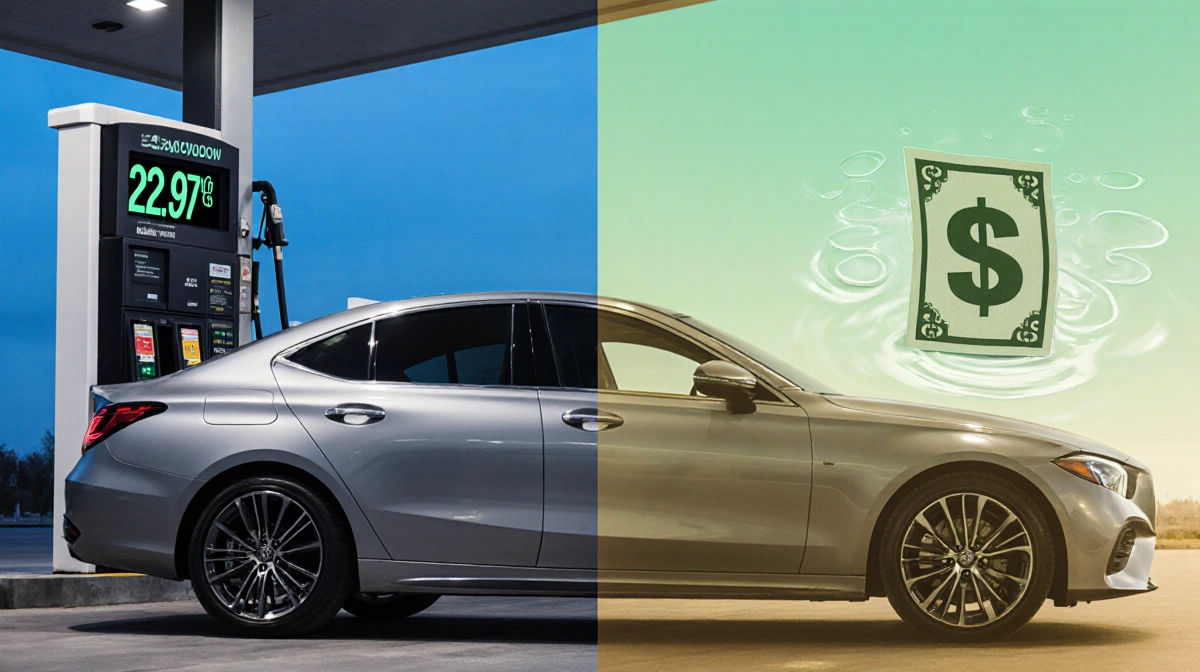
For the first time since the pandemic year 2020, the yearly national average for regular gasoline is on track to slip under $3 a gallon in 2026, according to GasBuddy’s latest fuel outlook.
Price Breakdown
GasBuddy’s model, which averages each month’s projected range across 12 months, lands on $2.97 for 2026-13 cents below the prior year’s $3.10 average.
The last time the annual mean was this low was 2020, when Covid lockdowns drove demand down to an average of $2.17 per government data.
| Fuel Type | 2025 Avg. | 2026 Projected | Change |
|---|---|---|---|
| Regular | $3.10 | $2.97 | -$0.13 |
| Diesel | $3.62 | $3.55 | -$0.07 |
Market Outlook
Patrick De Haan, GasBuddy head of petroleum analysis, credits steady recovery from pandemic and Ukraine-war shocks:
> “The wind is clearly behind drivers’ backs. If the market avoids major surprises, sustained averages below $3 could become commonplace.”

Current nationwide pump prices already sit at $2.79, slightly under January’s projected monthly average.
Risks Ahead
GasBuddy warns seasonal swings and geopolitical events still loom:
- Spring demand spikes
- Refinery maintenance windows
- Hurricane season threats
- Global supply disruptions
Venezuela developments-where the U.S. captured leader Nicolás Maduro and pledged investment in oil infrastructure-won’t deliver quick relief, De Haan notes:
> “This clock will tick much slower. It won’t stop the typical spring price rise.”
Key Takeaways
- 2026 projected annual average of $2.97/gal first sub-$3 mark since 2020
- Household gasoline budgets expected to drop $632 versus 2022 peak
- Diesel remains above $3.50, trimming savings for truckers and shippers
- Seasonal and geopolitical risks can still jolt local prices higher
Bottom line: drivers have the best odds in years for consistently cheaper fill-ups, barring unexpected market surprises.