

At a Glance
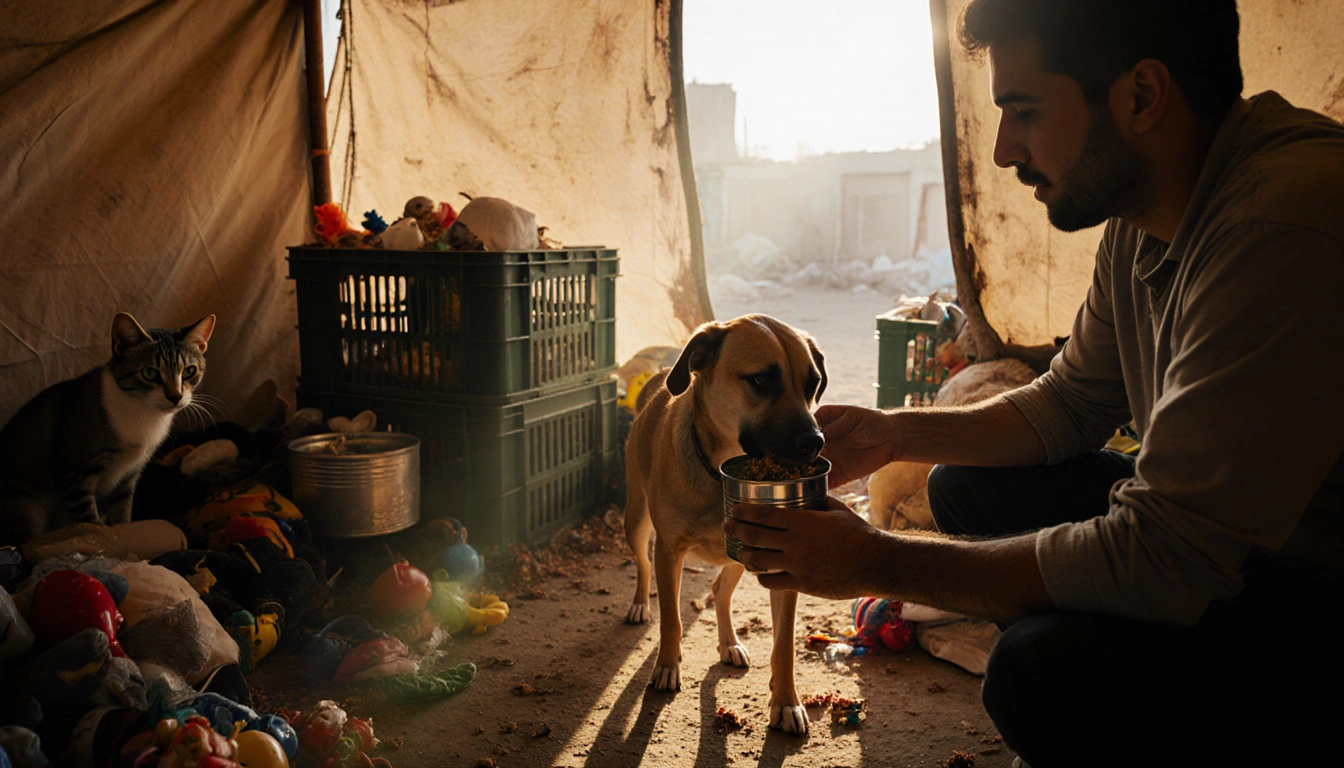
- Sulala Animal Rescue shelters 70 dogs and 50 cats in a single tent.
- Volunteers use expired medicines and human drugs like amoxicillin to treat wounded animals.
- 97 % of Gaza’s livestock destroyed, 30 % of donkeys and horses remain.
- Why it matters: The shelter’s survival illustrates the hidden suffering of animals and people amid Gaza’s conflict.
The war in Gaza has turned the strip into a battlefield for both humans and animals. Amid constant bombings, the Sulala Animal Rescue shelter remains the only place where injured and hungry pets can find care.
A Shelter in the Storm
The shelter operates out of a large tent in Deir al-Balah, a site that has seen relentless shelling. Volunteers work in a cramped space, often without proper medical tools.
Saeed Al-Aar, the founder of Sulala, explains the shelter’s mission. He says:
Saeed Al-Aar stated:
> “You cannot look at a creature that trusts you and eat in front of it without sharing.”
The shelter’s staff improvise treatments, using expired veterinary drugs or human medications when supplies run dry.
Dr. Hossam Mortaja is one of the few remaining veterinarians in Gaza. He often has to rely on amoxicillin to treat infections.
“Animals suffer like humans-fear, convulsions, and more,” Mortaja says.
The team shelters about 70 dogs and 50 cats, many of whom are injured or ownerless.
During the worst aid shortages, the team shared rice, pasta, and canned tuna with the animals. The measure aimed to prevent starvation.
The Humanitarian Crisis
Since the war erupted in October 2023, Gaza’s animal population has plummeted. According to the Euro-Med Human Rights Monitor, 97 % of the strip’s livestock has been destroyed.
Large animals such as donkeys and horses have dropped to around 30 % of their former numbers.
Stray pets have been abandoned as families fled, leading to a surge in malnutrition and disease.
The veterinary reports describe animals in states of cachexia, severe wasting that weakens immune systems.
These conditions have worsened outbreaks of gastroenteritis, jaundice, and eye diseases.
The Sulala clinic treats these ailments daily, often with limited resources.
Stories from the Frontline
The shelter’s Instagram page has amassed 180,000 followers. Many of these followers are located in the West.
Annelies Keuleers, a remote volunteer from Belgium, expresses constant worry for the rescue team.
Annelies Keuleers commented:
> “There are no words we have about losing him. In many ways, he was absolutely irreplaceable.”
She notes that Saeed and his children often find animals left behind during evacuations.
The team faces danger daily, even with a fragile ceasefire in place.
In October, during the ceasefire, Veterinarian Muath Talat Abo Rokba was reportedly killed by Israeli forces. He was visiting the ruins of his home in the Jabalia area.
The IDF told News Of Fort Worth that it was not aware of the specific incident.
The loss of Abo Rokba was a blow to the shelter’s capacity to treat animals.
Global Attention and Support
The World Health Organization warned earlier this month that humanitarian needs remain staggering. Current assistance only addresses the most basic survival requirements.
UNICEF’s director of emergency operations, Lucia Elmi, warns that fragile gains could vanish overnight if fighting resumes.
Lucia Elmi stated:
> “We need sustained humanitarian access, restored basic services, and above all, lasting peace.”
The shelter’s plight has drawn international attention, highlighting the need for continued aid.
The shelter’s work shows that the war’s impact extends beyond human casualties.
Key Data
| Category | Before | After |
|---|---|---|
| Livestock destroyed | 3 % | 97 % |
| Donkeys & horses | 100 % | 30 % |
| Shelter capacity | 0 | 120 animals |
The table illustrates the dramatic decline in animal life and the shelter’s expansion to meet new needs.
Key Takeaways
- Sulala Animal Rescue keeps 120 pets alive in a single tent amid war.
- The shelter uses expired medicines and human drugs due to supply shortages.
- 97 % of Gaza’s livestock has been destroyed, leaving only 30 % of donkeys and horses.
The shelter’s resilience highlights the hidden suffering of animals and the urgent need for humanitarian aid in Gaza.
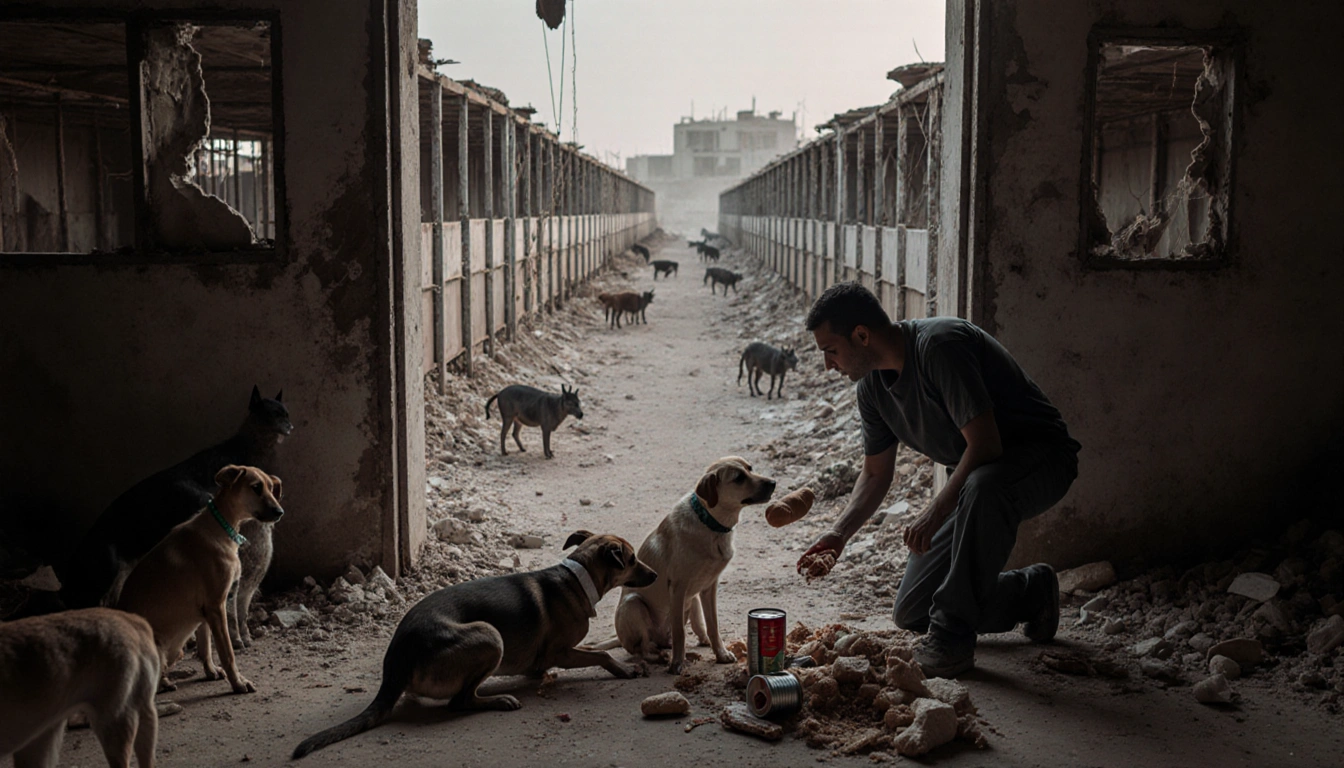
The story underscores that even in conflict, compassion can survive, but it requires global support and sustained access to basic necessities.