
At a Glance
- A Knight of the Seven Kingdoms premieres January 18 on HBO
- The six-episode season follows a dirt-poor hedge knight and his oddball squire
- Set between House of the Dragon and Game of Thrones timelines
- Why it matters: Offers a fresh, grounded perspective on Westeros without requiring prior series knowledge
HBO returns to Westeros with a decidedly different flavor. While House of the Dragon mirrored Game of Thrones’ royal intrigue, A Knight of the Seven Kingdoms strips away the castles and crowns to follow a broke hedge knight navigating tournaments and taverns.
A Humble Hero’s Journey
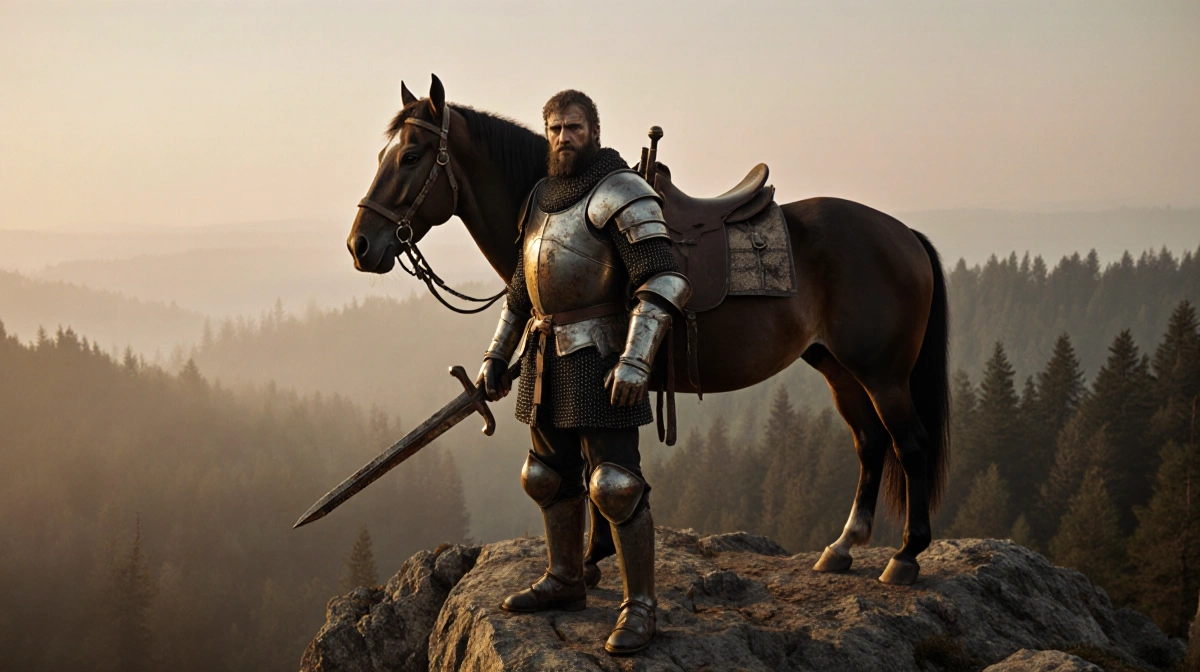
The story centers on Dunk (Peter Claffey), newly knighted after burying his master Ser Arlan of Pennytree. Unlike previous Westeros protagonists, Dunk owns little more than his horse, sword, and weathered clothes. The series showcases how common folk survive through rain, mud, and questionable meals.
Dunk’s chosen name “Ser Duncan the Tall” reflects his straightforward nature. As News Of Fort Worth‘s review notes, being a knight provides status but limited protection when you’re the lowest rung of the social ladder. This reality hits hard when he enters a tournament at Ashford Meadows competing against wealthy lords and princes.
An Unlikely Partnership
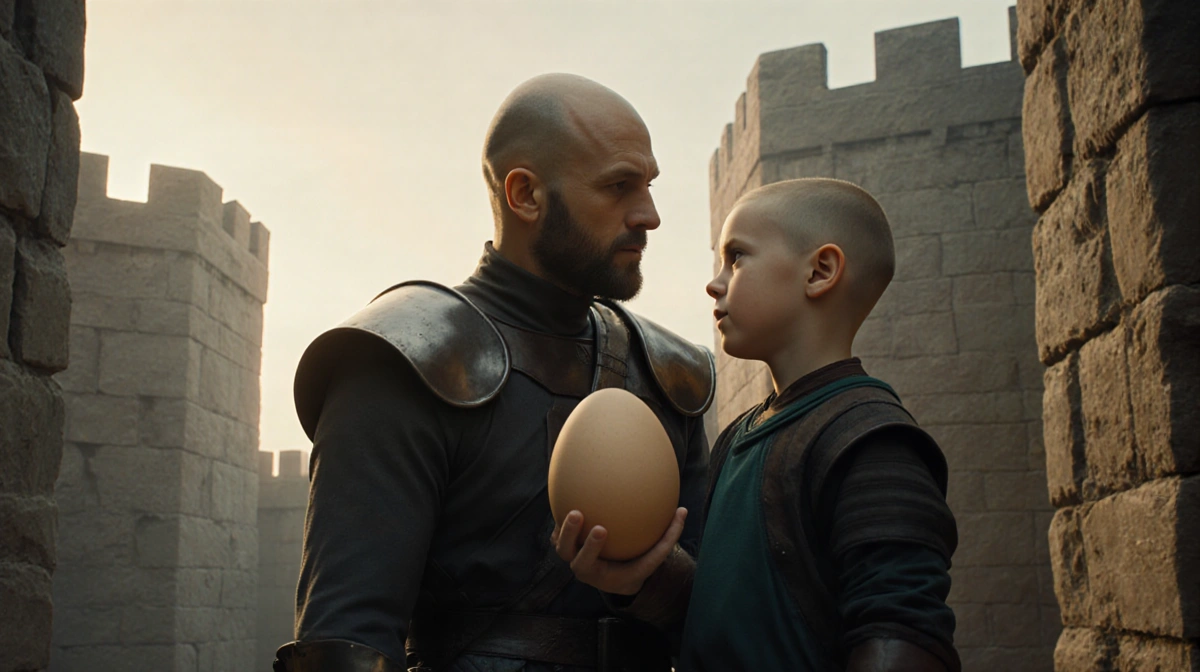
Dunk’s solitude ends quickly when Egg (Dexter Sol Ansell), a bald-headed persistent boy, insists on becoming his squire. Their dynamic drives the series, with Claffey and Ansell forming what Cameron R. Hayes calls “a fantastic leading pair.” The show drops hints about Egg’s true identity before revealing his secret.
The compressed timeline spans just a few days in one location, focusing on the tournament’s events rather than sprawling across kingdoms. Flashbacks provide necessary context without relying on voice-over narration.
Power and Corruption
The series explores how knightly oaths to “protect the innocent” often conflict with personal honor. Dunk discovers this divide through encounters with Aerion Targaryen, a prince who abuses his immunity from consequences. This Targaryen arrogance will feel familiar to House of the Dragon viewers, though prior series knowledge isn’t required.
The tournament setting reveals how money and birthright determine loyalty more than merit or morality. Dunk’s repeated humiliations highlight society’s treatment of those without wealth or connections.
Supporting Cast Standouts
The ensemble cast creates memorable moments through sharp writing and performances. Daniel Ings particularly shines as Ser Lyonel Baratheon, described as “an instant fan favorite” who manages to be both “terrifying yet endearing.”
Characters span from outright villains to morally gray figures trying to advance their positions. Even “good” characters display questionable behavior, reflecting the show’s nuanced approach to medieval morality.
Balancing Tones
The series juggles multiple moods successfully. It delivers:
- Brutal violence in tournament combat
- Touching reflections on mentorship and integrity
- Bawdy humor including fart jokes
- Deep character development
This tonal variety sets it apart from previous Westeros adaptations. The show “takes its characters and situations seriously, but it doesn’t take itself too seriously,” according to News Of Fort Worth‘s analysis.
Musical Choices
The score creates distinct identity while acknowledging its predecessors. A recurring whistling theme gives the story a Western feel, but the iconic Game of Thrones theme appears twice:
- Once during a heroic moment that delivers “goosebumps”
- Once as a “cheeky-as-hell invocation” followed by crude humor
This selective use of familiar music connects the series to the larger universe without over-relying on nostalgia.
Self-Contained Storytelling
The first season adapts Martin’s “The Hedge Knight” novella in its entirety. This anthology-style approach means each potential season could explore different Dunk and Egg adventures across Westeros.
The six-episode format proves “pretty perfect” for this initial story. The contained scope allows for deeper character exploration while maintaining narrative momentum.
Future Prospects
News Of Fort Worth confirms a second season is already in development. The positive reception suggests HBO has found a sustainable approach to expanding the Game of Thrones universe without simply repeating the same power-struggle formula.
The show’s accessibility to newcomers while rewarding longtime fans positions it well for continued growth. Each season can introduce new locations and challenges while maintaining the core Dunk and Egg relationship.
Key Takeaways:
- A Knight of the Seven Kingdoms succeeds by focusing on commoners rather than royalty
- The six-episode structure allows complete story arcs without filler
- Strong performances from Claffey and Ansell anchor the series
- The show balances violence, humor, and heart effectively
- No prior Westeros knowledge required, though familiarity enhances the experience
New episodes release weekly starting January 18 on HBO and HBO Max.