
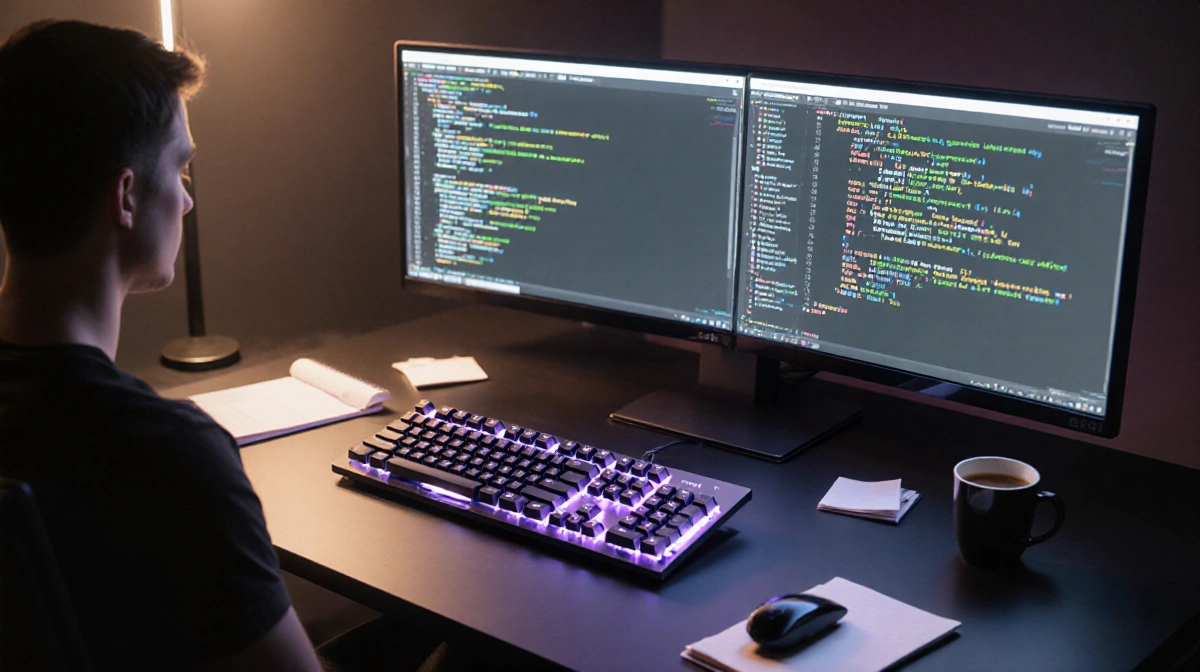

At a Glance
- The wired-only HHKB Professional Classic Type-S keeps Topre electro-capacitive switches and a 30-year layout.
- A one-piece ABS plate replaces individual switch housings, softening feel and killing rattle.
- Silent rings cut up-stroke clack but bottom-out noise remains; 125 Hz polling lags gaming boards.
Why it matters: For coders who want a keyboard that refuses to break or change, the Type-S is a time-capsule you can still buy new.
The Happy Hacking Keyboard line has spent nearly three decades refusing to reinvent itself. The Professional Classic Type-S, reviewed by Natalie A. Brooks for News Of Fort Worth, keeps the same two pillars: a compact layout built for coding and Topre electro-capacitive switches that feel like nothing else on the market.
Topre Switches: Love or Leave
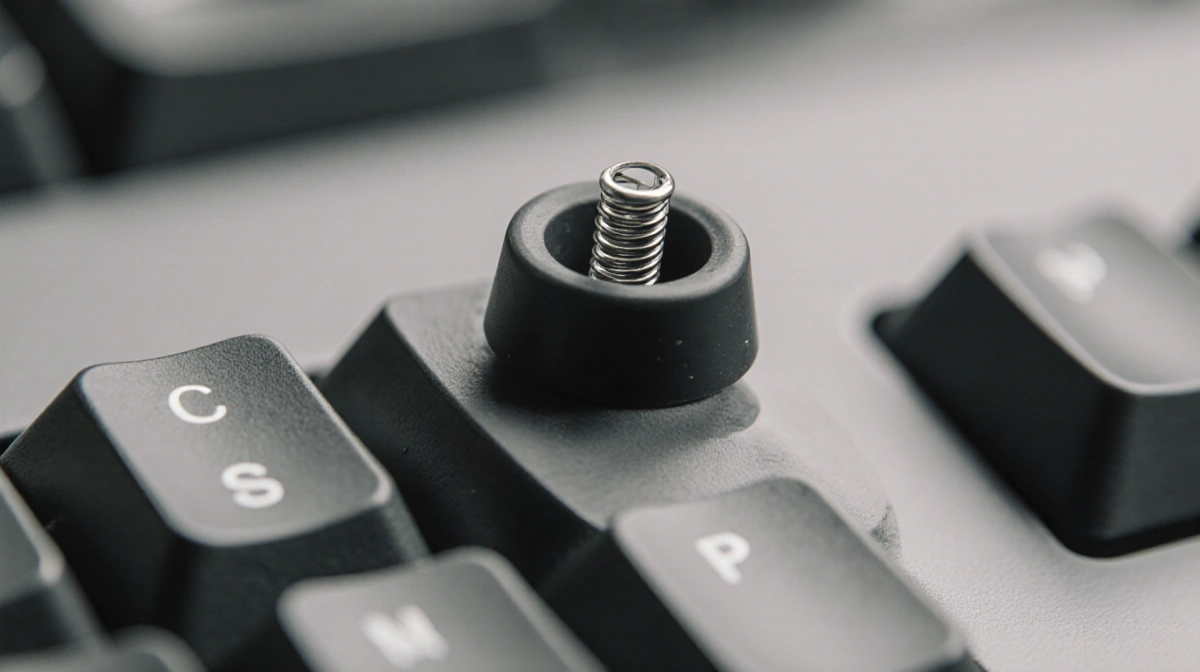
Topre switches swap the coiled spring found in Cherry MX clones for a rubber dome and a conical spring. Pressing the key compresses the dome; as the spring’s coils close, an electromagnetic field changes and the keystroke registers. The result is a rounded, tactile bump that loses tension gradually instead of snapping past a metal leaf.
Silent variants add a rubber ring inside the housing, muting the stem’s return without damping the bottom of the travel. The keyboard is still audible-just less so than an unsilenced Topre.
One-Piece Plate Design
Unlike conventional boards that lock separate switches into a metal or plastic plate, the Type-S molds the top case, plate, and switch housings from a single sheet of ABS. The integrated design gives the typing feel a softer, more forgiving landing and removes the tiny gaps that can rattle on lesser Topre clones. High-end modders such as Norbauer have copied the approach for their CNC-milled “Heavy Grail” cases.
Layout Built for Code
The HHKB’s most polarizing trait is its bottom-row deletion: both corner keys are blank, leaving only a shortened Alt key. The Control key replaces Caps Lock, and the right-pinky Function key opens a custom layer that puts arrows and navigation within home-row reach. Gamers benefit from the nearby Control for crouching, though the 125 Hz polling rate and slow-switch return keep the board far from esports territory.
Aftermarket and Maintenance
Topre’s enthusiast following has produced domes with heavier tactility, MX-style sliders for mainstream keycaps, and full aluminum or brass shells. Disassembly starts with peeling a warranty sticker and removing three top screws; the bottom half lifts off via plastic tabs. A metal-latch ribbon cable connects the two halves, and a dozen screws free the PCB from the integrated plate. While tedious, the construction shows no obvious planned-weak points, and aged, yellowed cases are flaunted online like patina on denim.
Customization hits limits: keycaps need Topre stems or aftermarket sliders, and the 6-unit spacebar requires a rare short-bar set. The Classic Type-S ships only in wired USB; wireless models cost more and carry the “Hybrid” badge.
Price and Verdict
News Of Fort Worth rated the board 8/10, praising build quality, silence tweaks, and the cult-status layout while noting the steep price and narrow appeal. For typists who want a keyboard that refuses to age out, the HHKB Professional Classic Type-S is a stubborn, lovable relic you can still buy brand-new.