

The warm spices in gingerbread, the woodsy aroma of pine and fir trees, and the fruity tang of mulled wine are scents that instantly bring the holiday season to life. Many households light candles, incense, and keep fireplaces burning to create a cozy ambiance. While these fragrances can enhance mood, they also release chemicals that may affect indoor air quality. Experts are urging people to consider the impact of these scents on respiratory health.
All flames release chemicals that can cause allergy-like symptoms or long-term respiratory problems if inhaled in sufficient amounts. This is true for wood-burning fireplaces, gas stoves, and scented candles. The pollutants include particulate matter, nitrogen dioxide, and other combustion byproducts.
During the end-of-year holidays, people in the Northern Hemisphere spend more time indoors due to colder temperatures. Indoor air can be significantly more polluted than outdoor air because pollutants become trapped and concentrated without proper ventilation or filtration, according to the American Lung Association. This makes the indoor environment a potential health risk during the festive season.
For example, active fireplaces and gas appliances release tiny airborne particles that can penetrate the lungs. They also emit chemicals such as nitrogen dioxide, a major component of smog, according to the U.S. Environmental Protection Agency. These particles and gases can accumulate in poorly ventilated rooms.
Cleaning products, air fresheners, and candles also emit air pollutants at varying concentrations. The combined effect of these sources can raise indoor pollutant levels, especially in homes with limited airflow. Even unscented products can affect air quality because some pollutants have no odor.
Certain groups are more vulnerable to the effects of indoor air pollution. Children, older adults, minority populations, and people of low socioeconomic status are more likely to be affected by poor air quality because of physiological vulnerabilities or higher exposure, according to the environmental agency. These populations may experience greater health impacts from the same pollutant levels.
Children are especially susceptible because their lung size means they receive a greater dose of exposure relative to their body size, McCormack said. As a result, even short-term exposure can have noticeable effects on their respiratory health. Pediatric patients with asthma are also at increased risk.
People with heart or lung conditions, including asthma, face heightened hazards from indoor pollutants, she said. Pollutants can trigger flare-ups or worsen existing symptoms. This underscores the need for careful management of indoor air quality for those with chronic respiratory or cardiovascular issues.
Signs of respiratory irritation include coughing, shortness of breath, headaches, a runny nose, and sneezing. When these symptoms appear, experts advise stopping the use of pollutant-releasing products or immediately ventilating the affected rooms. Early action can prevent worsening of symptoms.
“Clean air is fragrance free,” said McCormack, who has studied air quality and lung health for more than 20 years. “If having seasonal scents is part of your tradition or evokes feelings of nostalgia, maybe think about it in moderation.”
The risk fragrances and other air pollutants may pose to respiratory health depends on the source, the length and intensity of a person’s exposure, and individual health, McCormack said.
It is also important to note that some pollutants have no smell, so unscented products still can affect indoor air quality, experts say.
“The more risk factors you have, the more harmful air pollution or poor air quality indoors can be,” McCormack said.
Ellen Wilkowe said, “The candle has a calming presence. They are also very symbolic and used in rituals and many religions.”
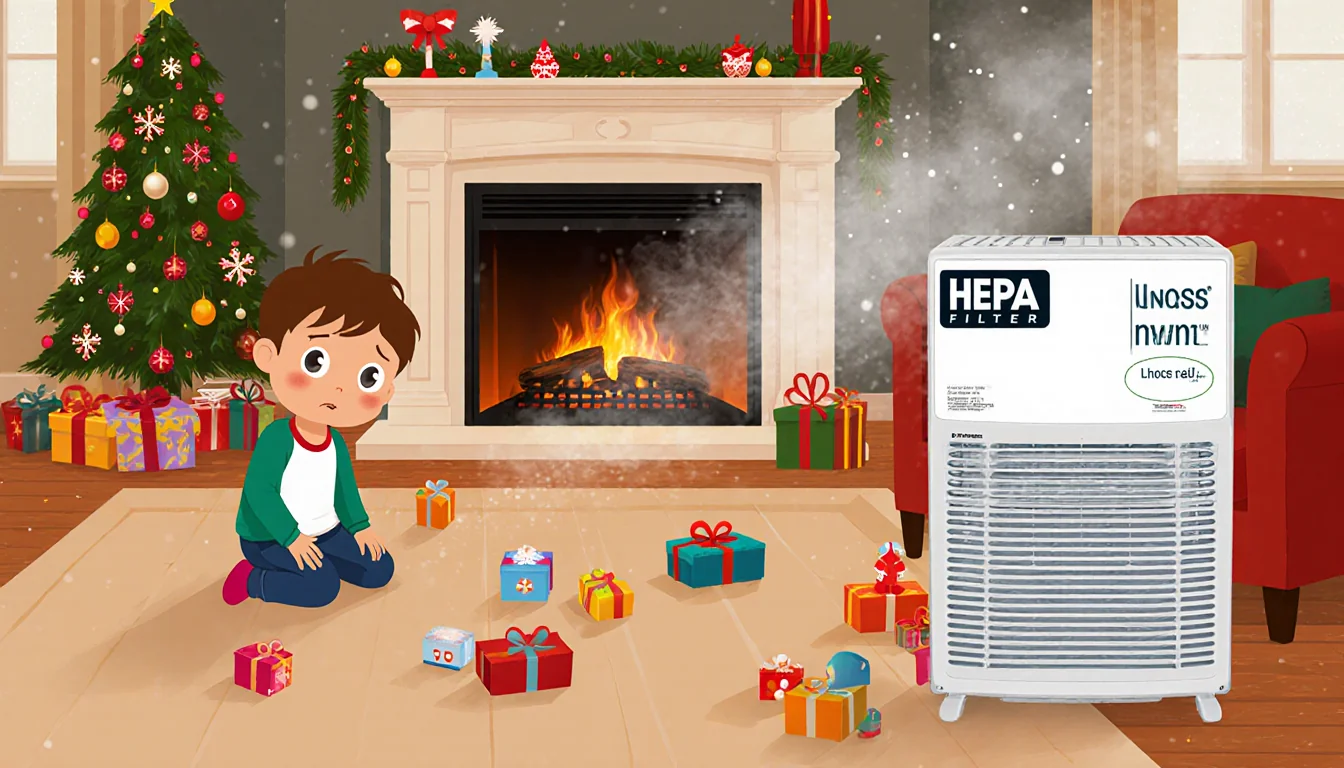
Wilkowe said she leans toward candles made with soy-based waxes instead of petroleum-based paraffin. Experts note that all lit candles give off air pollutants regardless of their composition. Choosing soy wax may reduce some byproducts but does not eliminate them.
“Buying products with fewer ingredients, opening windows if the temperatures allow, and using air purifiers with HEPA filters are ways to reduce exposure to any pollutants from indoor fireplaces, appliances and candle displays, McCormack said. She also recommends switching on kitchen exhaust fans before starting a gas-powered stovetop and using the back burners so the vent can more easily suck up pollutants.”
“Setting polite boundaries with guests who smoke cigarettes or other tobacco products is also a good idea, she said.”
“Small improvements in air quality can have measurable health benefits,” McCormack said. “Similarly to if we exercise and eat a little better, we can be healthier.”
Rachael Lewis-Abbott, a member of the Indoor Air Quality Association, said people don’t usually notice what they are breathing in until problems like gas leaks or mold develop. “It is out of sight, out of mind,” she said.
Practical steps include opening windows when weather permits, using HEPA air purifiers, and ensuring kitchen exhaust fans are active during cooking. Switching to back burners on gas stoves allows the vent to capture more pollutants. These measures can lower indoor pollutant concentrations.
Setting boundaries with smokers at home or in the house can further reduce exposure. Informing guests about smoke-free policies helps maintain cleaner indoor air.
Even small changes in ventilation and product choice can lead to measurable improvements in respiratory comfort and overall health, McCormack emphasized. These adjustments are comparable to lifestyle changes such as exercise and diet.
Key Takeaways
- Indoor holiday scents and heating appliances can raise pollutant levels.
- Vulnerable groups, including children and people with asthma, face greater risks.
- Simple precautions—ventilation, HEPA filters, and product selection—can improve indoor air quality.
The holiday season offers a chance to celebrate traditions while protecting indoor air quality. By adopting mindful practices and staying informed about pollutant sources, families can enjoy festive scents without compromising respiratory health.