

At a Glance
- Holiday spending projected to exceed $1 trillion for the first time.
- Roughly 4 in 10 Americans are dipping into savings to shop.
- About 75% of Americans live paycheck to paycheck and carry various debts.
- Why it matters: With tariffs and inflation tightening budgets, many are struggling to manage holiday debt and find ways to regain financial stability.
Every year, the holiday season strains household budgets, but this year the pressure is at an all-time high. A recent AP-NORC poll shows that nearly half of Americans are borrowing from savings, while debt levels continue to climb.
The Debt Landscape
Roughly 75% of Americans are living paycheck to paycheck, and almost everyone has some form of debt – credit cards, student loans, auto loans, mortgages, or buy-now pay-later plans. The average American carries more than $92,000 in debt, according to the National Retail Federation.
**Lynnette Khalfani-Cox said:
> “Frankly, as a nation, we’re up to our eyeballs in debt.”
Strategies to Manage Holiday Debt
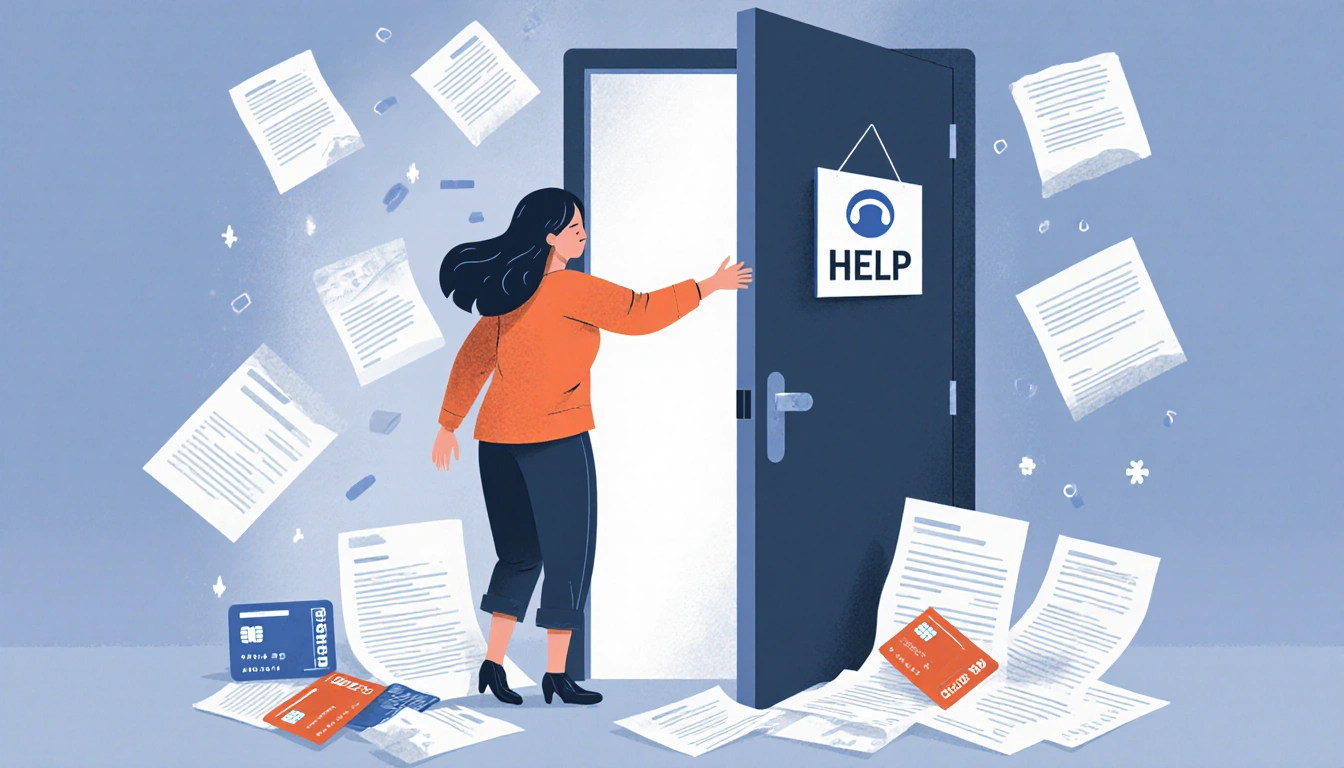
The first step is to ask for help. Don’t let shame, guilt, or negative emotions keep you from getting help, she says. You can reach out to nonprofits like Savvy Ladies, or professional financial planners who offer no-cost guidance.
The next step is to take inventory of all your debt. Knowing exactly what you owe across credit cards, loans, and buy-now pay-later plans gives you a clear starting point and helps avoid missed due dates and fees.
Lynnette Khalfani-Cox added:
> “They’re going to say yes, because they want to keep you as a customer rather than have you do a balance transfer and go to the next credit card issuer.”
Negotiating lower interest rates can save money. A Lending Tree survey found that more than three in every four consumers receive a lower rate just by asking.
Choosing a repayment plan is key. The common methods are the snowball and avalanche approaches:
| Method | Approach | Goal |
|---|---|---|
| Snowball | Pay off the smallest balance first | Build momentum |
| Avalanche | Pay off the highest interest rate first | Save money long-term |
Pick the debt that causes the most stress and put extra money toward it. Once that debt is paid off, move to the next one on your list.
If you have high-interest debt, a balance transfer may help. Pay attention to transfer fees (often 2-3%, sometimes up to 5%) and the length of the 0% introductory APR period. Read the fine print to avoid surprises when the period ends.
Finding extra cash can accelerate repayment. Sell unused items, hold a tag sale, or use online marketplaces. Lynnette Khalfani-Cox says:
> “If the goal is to raise money to be able to pay off your debts, selling those items that you aren’t really using and don’t need is a quick and fast way to get that done.”
Cutting discretionary spending is another lever. Plan your holiday budget, skip pricey gift exchanges, and consider renting festive attire instead of buying new outfits.
Practical Tips for the New Year
- Review your budget and track spending categories like gifts, outfits, dinners, and travel.
- Set a strict low-cost limit for office gift swaps or opt for homemade gifts.
- Use rental sites such as Nuuly, Rent The Runway, or Pickle for special occasions.
- Host a White Elephant or Secret Santa to reduce the number of gifts you need to buy.
Key Takeaways
- $1 trillion in holiday spending highlights the need for debt management.
- 75% of Americans live paycheck to paycheck, making budgeting essential.
- Negotiating lower rates and choosing the right payoff strategy can cut costs and accelerate debt repayment.
The holiday season may have pushed many into debt, but with the right tools and a clear plan, you can regain control and start the new year on solid footing.