

At a Glance
- Over 2,000 federal officers now patrol Minneapolis after an ICE officer shot and killed Renee Nicole Good two weeks ago
- Schools, churches, daycares, and local businesses have become ICE targets; residents respond with whistles, patrols, and rapid-response networks
- President Trump says he may invoke the Insurrection Act to send troops if courts block further National Guard deployments
Why it matters: Daily life has flipped into a lockdown where neighbors guard neighbors, parents rehearse ICE drills with toddlers, and U.S. citizens are detained for filming or following agents.
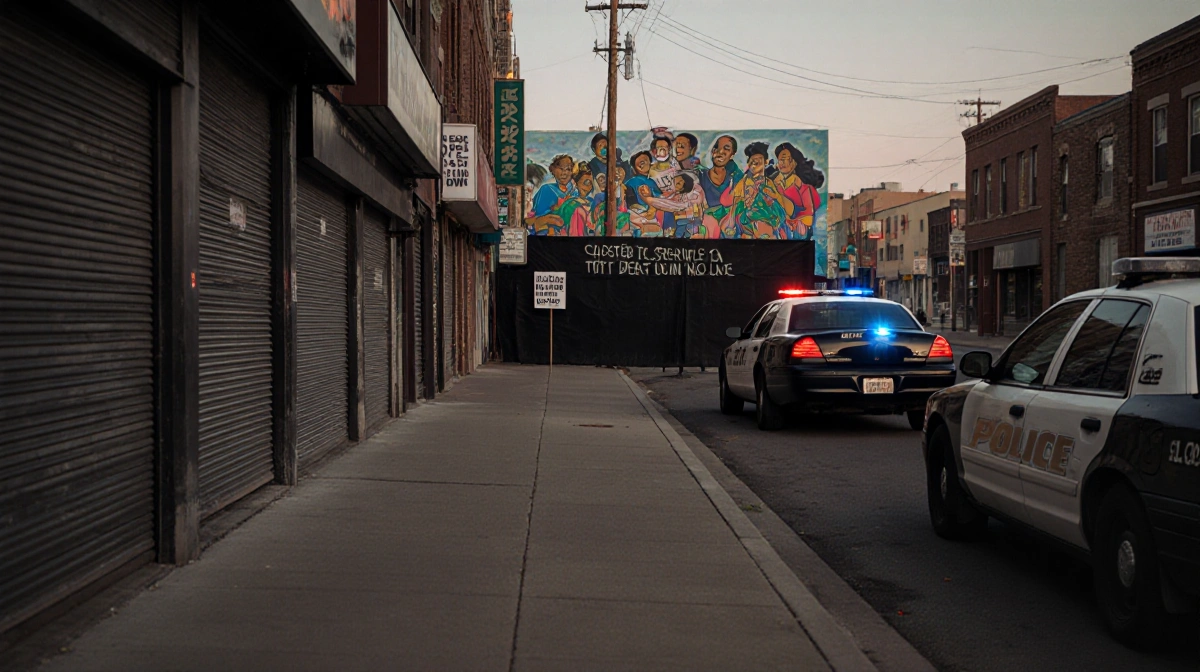
Minneapolis has become an occupied city. Following the fatal shooting of Renee Nicole Good by an ICE officer, more than 2,000 federal agents now sweep neighborhoods, schools, and businesses, while residents scramble to shield one another through informal warning systems and volunteer patrols.
Teachers and Parents Rewrite Safety Plans
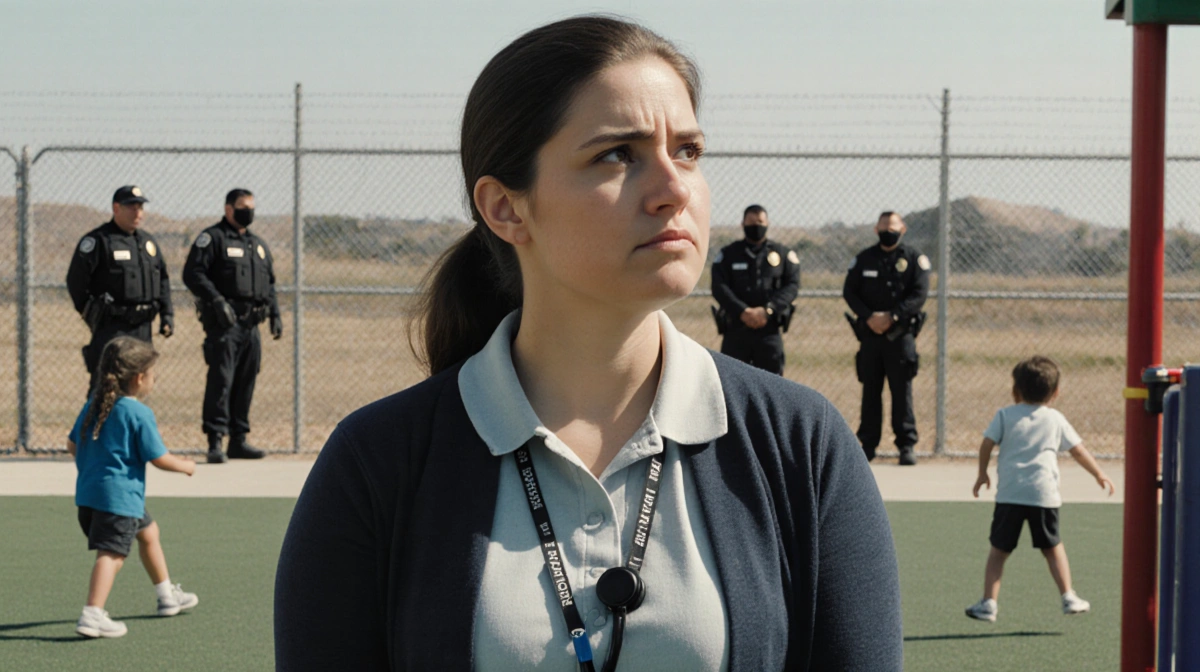
An anonymous elementary school teacher, 37, starts every day by clipping on a whistle. If she spots ICE while supervising recess, one long, slow blast signals children to head inside-fast blasts already mean danger in their neighborhoods. “It gives the adults a little bit of PTSD from the George Floyd murder,” she told Ryan J. Thompson. “This is more a feeling of fear.”
Adam Wish-Werven, a 37-year-old record-label owner, now scans the street before walking his 2-year-old to daycare. The center’s owners messaged parents that they would comply with any federal “audit,” a euphemism parents understand as allowing armed agents inside with a warrant. “I can’t imagine my 2-year-old having to witness violence,” he said.
U.S. Citizens Detained for Legal Observation
Brandon Sigüenza, 32, volunteered as a legal observer on January 11. After following two unmarked SUVs for less than a block, agents smashed his windows, dragged him out, and arrested him for obstruction. Inside the detention garage he saw:
- Roughly 30 people, mostly Hispanic and East African, packed into cells built for three
- A placard reading “USC” for U.S. citizens-Sigüenza was placed here in foot shackles
- Interrogators asking whether he knew of protest organizers, bombs, or plans to “snipe an ICE officer”
Ryan Ecklund, a 45-year-old realtor, was seized after filming agents in a grocery-store lot. Officers followed him home, boxed in his car, then hauled him to the Whipple Federal Building while praising a passing bald eagle as proof “God is on our side.”
Businesses Cut Hours as Customers Vanish
Valerie Aguirre helps run her family’s Mexican grocery and restaurant, open for 25 years on Lake Street. ICE agents arrested two employees last week, prompting a five-day closure and reduced operating hours. “We don’t know how to help,” she said. Coworkers now fear leaving their own homes.
Aide Salgado, consultant to Latino businesses, fields frantic calls from daycare, barbershop, and restaurant owners drafting contingency plans. Some will not survive the revenue crash, she warned, though “resilience is our superpower.”
Neighborhood Vigilance Turns Into Daily Routine
David Brauer, a 66-year-old former journalist and U.S. citizen, no longer leaves home without:
- Backpack filled with paper and pencils to document events
- Passport card for instant ID
- Phone locked by passcode, biometrics disabled
Lori Norvell, 54, a school-board member, patrols her streets in 14-degree weather armed with a whistle, mask, and water. She takes alternate routes past vulnerable spots, once standing guard when a tinted-window vehicle idled near her gym.
Postal Routes Feel Like Occupation Zones
A U.S. Postal Service carrier and union steward told Ryan J. Thompson that doors along his immigrant-heavy route remain locked; owners meet him at the threshold to exchange mail. During one rush-hour raid he tasted pepper spray in the air from half a block away, yet still had to finish deliveries. The sight of neighbors blowing whistles to alert one another is “scary” but “beautiful,” he said.
Somali Community Questions U.S. Promises
Abdikadir Bashir, executive director of the Center for African Immigrants and Refugees Organization, says Somali families brought to Minnesota through official refugee programs now ask:
- Is it safe to drive to a doctor’s appointment?
- Could a 16-year-old be taken to Texas, as recently happened?
- Why is the same government that welcomed them now targeting them?
CAIRO’s call center offers guidance, employer letters, and legal referrals, but Bashir admits: “There’s no answer” to their core question.
What Comes Next
President Donald Trump told reporters he is considering invoking the 19th-century Insurrection Act to deploy troops if courts continue blocking National Guard mobilizations in California and Illinois. Meanwhile, billions in new funding have already expanded ICE operations nationwide, ensuring Minneapolis-style patrols could appear in other cities.
Key Takeaways
- Whistles, patrols, and safe-house networks have replaced normal civic life
- U.S. citizens risk detention for filming or trailing ICE vehicles
- Small businesses face closures as immigrant customers stay home
- Federal funding, not local request, drives the surge in agents
- Legal observers document overcrowded cells and interrogations inside detention centers
For residents, survival now depends on collective vigilance: watch the streets, alert neighbors, document events, and assume no outside help is coming.