


At a Glance
- A federal agent shot and killed US citizen Renee Nicole Good, 37, during an ICE operation in Minneapolis.
- DHS is surging 1,000 more agents to Minnesota after already deploying 2,000.
- Customs and Border Protection agents shot two people in Portland, Oregon, hospitalizing both.
- Why it matters: Encounters with immigration agents carry rising risk of physical harm for citizens and immigrants alike.
Federal immigration agents are fanning out across US communities in unprecedented numbers, and the encounters are turning violent. On January 8, Minneapolis became the latest flashpoint when an ICE officer fatally shot Renee Nicole Good, a 37-year-old US citizen, in her car. The incident caps a week that also saw CBP officers shoot and injure two people in Portland, Oregon.
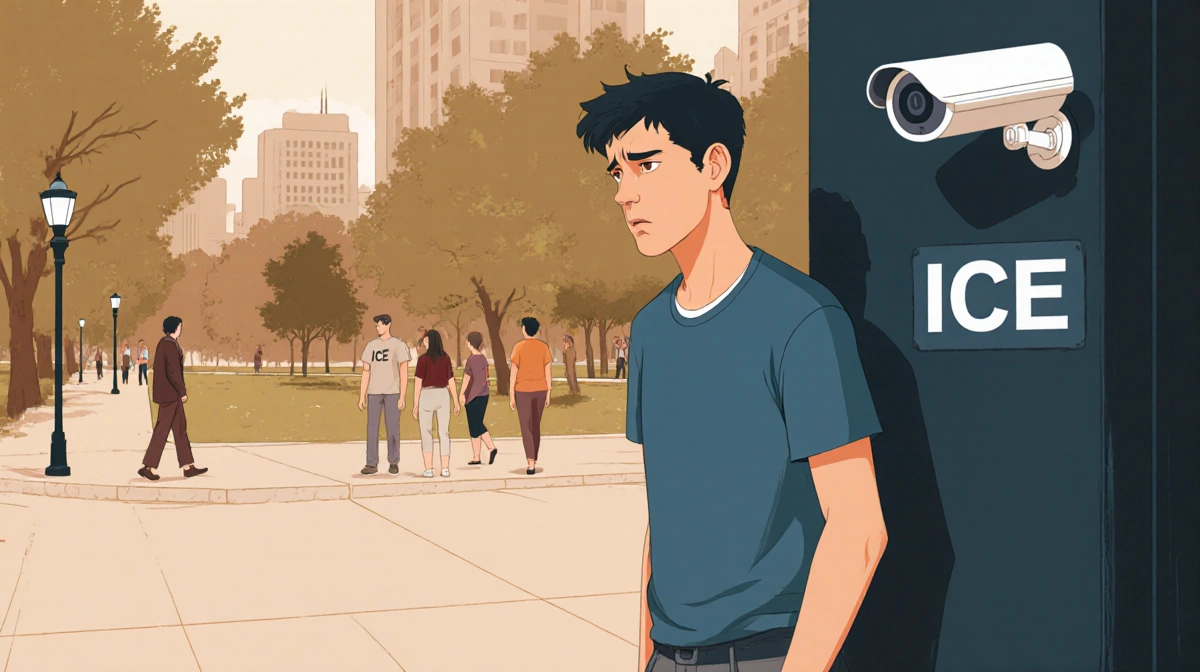
Agent Surge
DHS has already deployed 2,000 ICE agents to Minnesota and plans to add 1,000 more, according to Senator Amy Klobuchar. “There are now more ICE agents in Minnesota than there are combined in Minneapolis police force and St. Paul police force,” she said. Minnesota and Illinois have filed federal lawsuits to halt what they call an ICE “invasion.”
The expansion mirrors a national pattern. Since President Trump took office a year ago with a sweeping anti-immigration agenda, ICE and CBP budgets have ballooned while violent incidents involving agents have escalated.
Rising Risk
“The number of ICE agents has dramatically increased, the sheer presence in people’s communities is larger,” says Jennifer Whitlock of the National Immigration Law Center. “The risk of encountering an ICE officer has really increased for people, even if you’re not in any way attached to immigration.”
Encounters once framed as civil matters now carry criminal overtones. Federal prosecutors increasingly file assault charges against bystanders, even when cases later collapse. The Supreme Court’s September 2025 ruling in United States v. Martinez-allowing ethnicity as a “relevant factor” for detention-has heightened fears of racial profiling.
Know Your Rights
Traditional advice still stands:
- Do not open the door for ICE without a judicial warrant signed by a judge.
- Administrative warrants do not grant entry rights.
- Film from a safe distance; announce compliance if ordered to step back.
Yet the old playbook is fraying. “Now it’s not just risk of arrest at a protest, it’s risk of physical harm,” Whitlock notes. “I don’t think we fully anticipated how ICE and CBP would ignore and violate people’s constitutional rights.”
On-Scene Protocol
If you witness an enforcement action:
- Identify yourself as a volunteer observer.
- Ask agents for names and agencies.
- Record vehicle models, plates, and officer behavior.
- Stay within sight but maintain distance; proximity increases arrest risk.
“The goal is to be an observer and to document,” says Nithya Nathan-Pineau of the Immigrant Legal Resource Center. “The goal is not to go and try to intervene.”
Digital Precautions
ICE and CBP surveillance capabilities are expanding. Those at risk should:
- Encrypt phones and disable biometric unlock.
- Avoid posting real-time locations online.
- Use Signal or similar encrypted messaging for coordination.
Safe Ways to Help
Not everyone can protest. Alternatives include:
- Press local officials to cancel surveillance contracts with vendors like Flock.
- Support neighborhood mutual-aid groups or food pantries.
- Donate grocery gift cards to families with detained breadwinners.
- Visit detention centers; bring chairs, water, and spare clothing for visitors facing dress-code barriers.
“Talk is cheap,” says Evan Greer of Fight for the Future. “If local leaders want to protect residents from ICE’s gestapo tactics, one immediate step is rolling back surveillance.”
Build a Safety Plan
The National Immigrant Justice Center recommends:
- Memorize emergency contact numbers.
- Give schools alternate guardianship forms.
- Establish power-of-attorney documents.
- Identify a trusted adult to care for children if detention occurs.
Key Takeaways
- ICE’s footprint is larger and more heavily armed than at any time in the agency’s history.
- US citizens have been shot; documented immigrants face even higher stakes.
- Traditional rights-advice still applies, but physical safety now rivals legal compliance.
- Community defense ranges from digital hygiene to mutual aid-choose the lever that matches your risk tolerance.