


At a Glance
- Grocery, utility and health care prices kept climbing in December while overall inflation stayed flat
- Lower-income households absorbed most of the pain, cutting non-essential spending as essentials surged
- Trump is pushing rate cuts and new cost-cutting proposals as voter frustration grows ahead of midterms
- Why it matters: Everyday bills are rising faster than wages, widening the gap between Americans who can still spend freely and those forced to pull back
December’s inflation report looked tame on the surface, but the details tell a harsher story for millions of households. While the headline rate held steady, prices for food, electricity and health care kept rising, piling pressure on lower-income families who have already trimmed non-essentials to the bone.
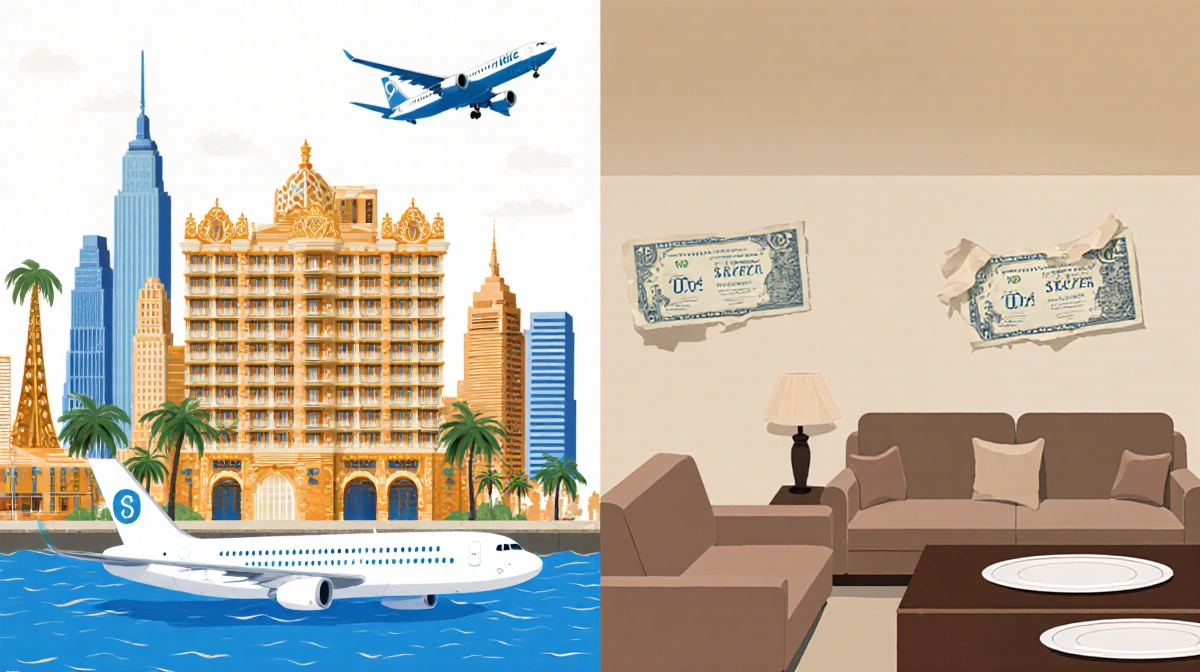
The split-screen reality-higher earners still traveling and dining out, everyone else slashing budgets-has hardened into what economists call a “K-shaped” economy. That divide is shaping both spending patterns and the political agenda as the 2026 midterm campaign kicks into gear.
Core Inflation Calms, Essentials Surge
Wall Street welcomed the government’s latest consumer-price index, released Tuesday, because the core measure that strips out food and energy showed signs of stabilizing. Economists noted the figure as evidence that broader price momentum is cooling.
The comfort disappears when the lens widens to include the items households buy every week:
- Grocery prices rose across five major food groups in December
- Restaurant tabs also increased, continuing a months-long climb
- Electricity costs jumped nearly 7% in 2025
- Natural gas posted double-digit yearly gains
- Health care inflation, subdued for years, is re-accelerating
Gasoline provided rare relief, falling last month, along with used cars, communication services and household services. Yet those drops were too narrow to offset the broad-based increases in daily necessities.
K-Shaped Spending Splits the Country
Bank of America transaction data show the top 5% of earners drove the bulk of spending growth through late 2025. Those households kept pouring money into travel, restaurants and online retail, while lower-income consumers pulled back on airline tickets, hotels, entertainment and furniture.
“The ‘K’ is here to stay,” the bank’s economists wrote in a client note Monday, echoing a view now common across Wall Street trading desks.
The uneven pattern matters for the wider economy. When growth depends on a narrow slice of high earners, a softening job market and slower wage gains limit upward mobility for everyone else.
“We have had five years of middle-income families being underwater,” said Glenn Williams, CEO of financial-services firm Primerica. “These families are frustrated at their ability to get ahead because of the rise in the cost of living, the lag in wage growth, their inability to save and the increase in their credit-card balances.”
Political Fallout Intensifies
Consumer-sentiment surveys are running well below year-ago levels, and the New York Fed found that households expect it will be harder to find jobs in 2026. Those anxieties have pushed affordability to the top of voter concerns as congressional primaries begin in March.
President Donald Trump, speaking Tuesday at the Detroit Economic Club, called affordability “one of our top priorities of this mission,” blaming Democrats for the squeeze even as his administration scrambles for fixes.
In the past week alone the White House has:
- Urged oil companies to export Venezuelan crude to lower gasoline prices
- Ordered roughly $200 billion in mortgage-bond purchases to trim home-loan rates
- Called on credit-card issuers to cap interest at 10% for one year
Rate relief remains central to Trump’s economic pitch. Lower benchmark rates cut borrowing costs for cars, homes and business investment. Yet most analysts expect the Federal Reserve to hold its policy rate steady at the upcoming meeting, worried that premature cuts could reignite inflation.
Outlook: No Quick Fix
Tuesday’s data “reinforces [that] price pressure is edging higher across key consumer product categories that matter most to consumers,” wrote Rob Holston, who heads the consumer-products practice at consulting giant EY Global.
The persistence of basic-item inflation keeps pressure on the White House and the Fed, both facing audiences who want faster relief than policy levers can safely deliver. With tariff-related increases in apparel and footwear still working through the pipeline, the squeeze on household budgets may not have peaked.
For now, the K-shaped pattern endures: one leg of the economy spending freely, the other cutting back, and political leaders racing to blunt the frustration before voters head to the polls.
Key Takeaways
- Headline inflation stayed flat, but grocery, electricity and health costs jumped
- Lower-income households are cutting non-essentials while the top 5% keep spending
- Trump is pushing rate cuts and targeted cost-cutting plans as voter anger rises
- Fed watchers expect no near-term rate move, leaving affordability a key election issue