
> At a Glance
> – California inmates experience virtual reality travel and job training
> – 100 headsets donated by Meta deliver 3 trips per year to 4 prisons
> – Jacob Smith credits VR for preparing him for 2031 parole
> Why it matters: Virtual reality rehabilitation could reshape how inmates reenter society
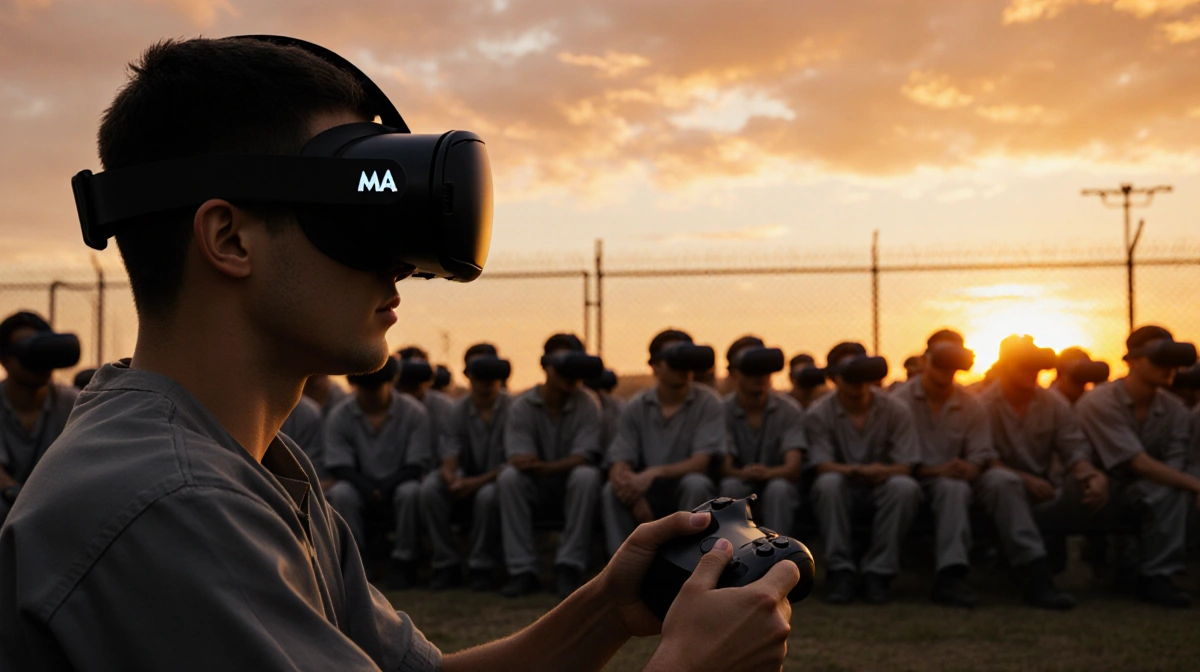
Jacob Smith hasn’t left prison in 20 years, yet he’s explored Bangkok markets and practiced job interviews without moving from his metal chair. Virtual reality headsets now transport inmates beyond prison walls, transforming rehabilitation into immersive experience.
Inside the Virtual Reality Program
Creative Acts nonprofit brings 100 donated Meta headsets to four California prisons three times annually. Inmates strap on opaque goggles, necks contorting slightly as high-definition videos transport them from solitary confinement to global destinations.
Sabra Williams calls VR devices “hope machines” as inmates experience:
- Thailand’s bustling markets
- Job interview scenarios with virtual recruiters
- Conflict resolution simulations
- Meditation sessions
Real World Preparation
Richard Richard first used VR six years ago and now volunteers post-release. He watches inmates transcend environments while processing trauma volunteers help unpack afterward.
Nancy La Vigne envisions VR preparing parolees for DMV navigation and bus systems after decades away. Research shows nature videos reduce aggression among incarcerated populations.

Key Takeaways
- 100 headsets serve 4 prisons with 3 annual programs
- Meta donation enables Creative Acts expansion
- California Department aims statewide replication
Virtual reality transforms rehabilitation into preparation as inmates experience world beauty without physical movement.