
At a Glance
- Jan 6, Ireland’s “Nollaig na mBan” is a women’s holiday tied to the Epiphany.
- The tradition began in the 19th century when women gathered for rest and leftover food.
- Today, Irish and international women are reclaiming the day to honor their cultural, political, and everyday contributions.
- Why it matters: It offers a chance to recognize the invisible labor and rest that women often sacrifice.
After the holiday rush, many women feel the mental load of the season. In Ireland, a growing movement is turning January 6 into a celebration that honors women’s roles and encourages rest. The holiday, known as Nollaig na mBan, is gaining new meaning worldwide.
From Past to Present
Historically, women used Jan 6 to rest, meet friends, and enjoy leftover Christmas food. Jane Casey, an Irish history communicator, says the day was part of cultural memory in the 1990s but rarely observed. She notes that the holiday’s roots stem from conventional gender roles.
Jane Casey said:
> “Nollaig na mBan existed in the cultural consciousness when she was growing up in County Wicklow in the 1990s, but it was never actually observed.”
Jane Casey added:
> “Leaving behind traditions tied to outdated gender roles, younger generations have reclaimed the day as more of a way to celebrate women’s contributions to Irish culture, art, politics and everyday life, as well as female friendship, connection and community.”
Celebrations Around the World
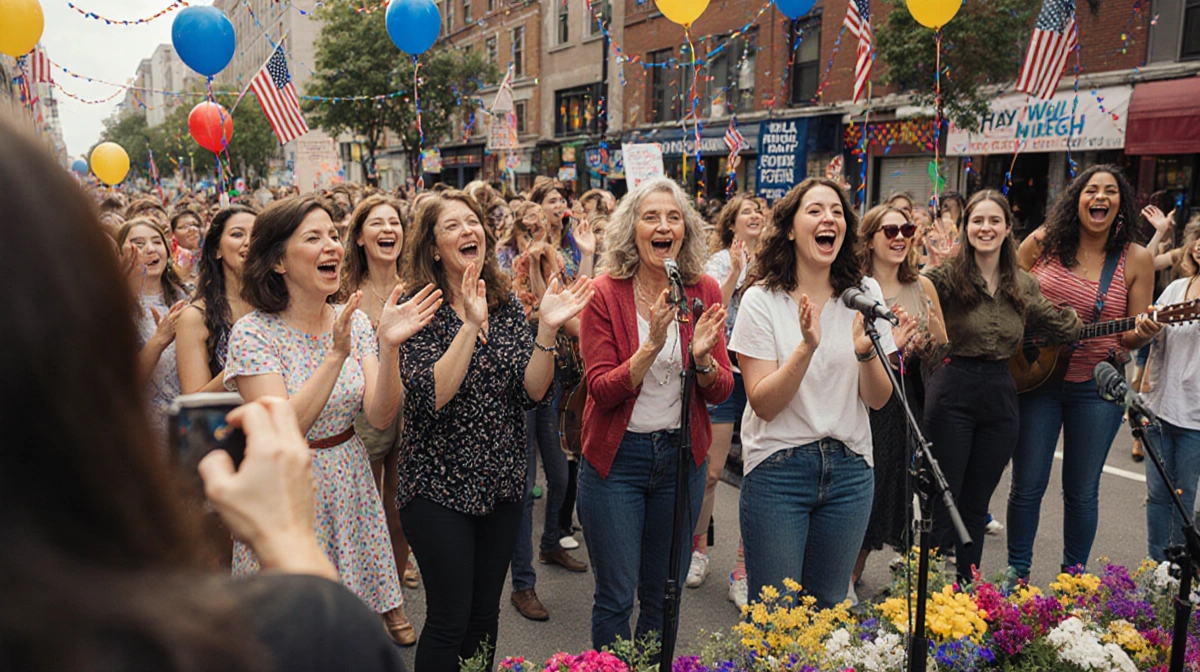
In the U.S., women organize grassroots events ranging from Atlantic swims to poetry nights and music gigs. Hadas Knox posted an Instagram reel about the holiday, sparking comments that revealed shared feelings.
- Rest and reset after holiday chaos.
- Questioning invisible labor and trust at home.
- Inviting moms and women to celebrate.
Hadas Knox said:
> “What struck me most was how quickly it sparked deeper questions about rest, invisible labor and how much trust we place in one another at home.”
Hadas Knox added:
> “I personally felt revitalized by the idea of Women’s Christmas, especially after dealing with Christmas cards, various kid illnesses, kin keeping … and don’t get me started on that Elf on the Shelf.”
Personal Call to Action
Knox felt revitalized after dealing with Christmas cards, kids’ illnesses, and the Elf on the Shelf. She reposted her reel to invite women, especially moms, to join the celebration.
Because this year’s Nollaig na mBan falls on a busy Tuesday, Knox’s own celebration will be woven into work, doctor visits, and school pick-ups. She hopes a simple moment of rest can reset the mental load for next year.
Key Takeaways
- Irish women are reclaiming Jan 6 as a day to honor cultural, political, and everyday contributions.
- The holiday has evolved from 19th-century gender roles to a celebration of women’s invisible labor.
- Global communities are creating events and sharing stories to support rest and connection.
Whether you’re Irish or simply looking for a way to honor women’s invisible labor, Nollaig na mBan invites everyone to raise a glass to the wise men who may have started the tradition-and to the women who deserve its continuation.