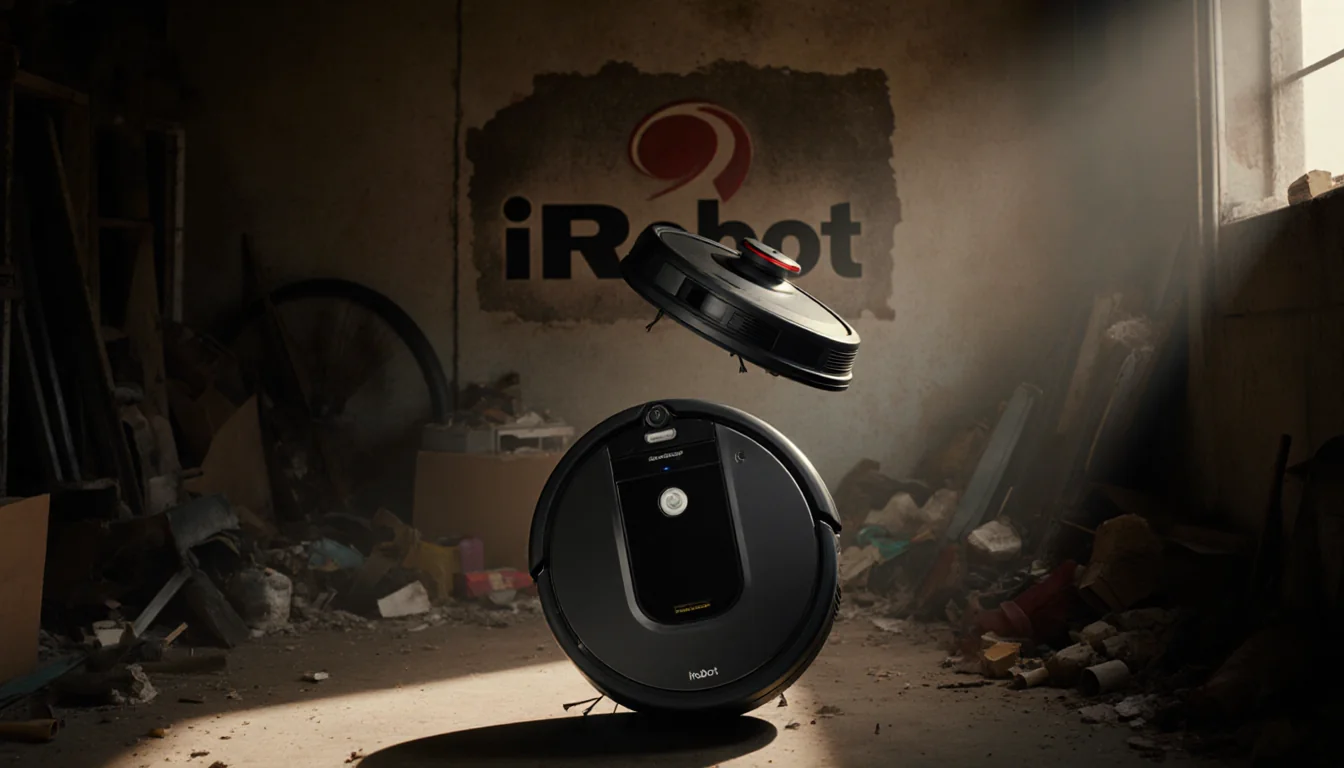

iRobot Corp., the maker of the popular Roomba vacuum‑cleaning robot, announced a filing for Chapter 11 bankruptcy protection while insisting that customers will not experience any interruptions to its products or services.
Chapter 11 Filing and Operational Continuity
The company filed for Chapter 11 on Thursday, signaling a move to restructure its debts and operations. iRobot stated that it will continue to operate as normal during the Chapter 11 process and does not expect any disruption to its app functionality, customer programs, global partners, supply chain relationships, or ongoing product support. The filing is part of a prepackaged Chapter 11 plan that the company anticipates will be completed by February. The move comes after a period of declining sales, increased competition, and a series of layoffs that have weighed on the company’s financial performance.
Acquisition by Picea
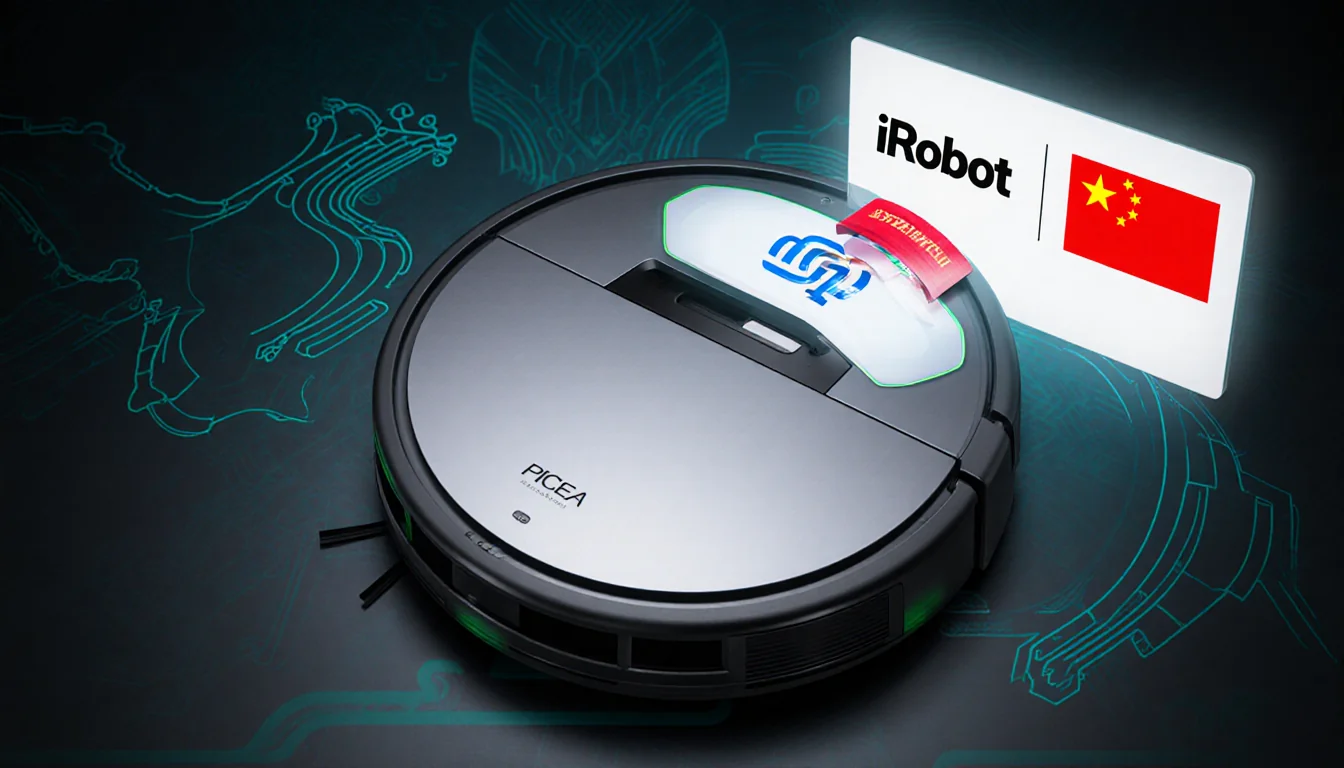
In a separate development, iRobot announced that it is now being acquired by Picea, a court‑supervised process involving Shenzhen PICEA Robotics Co., Ltd., the firm’s primary contract manufacturer. Picea operates facilities in China and Vietnam and has built and sold more than 20 million robotic vacuum cleaners worldwide. The transaction is described as a prepackaged Chapter 11 plan that will strengthen iRobot’s financial position and help deliver continuity for consumers, customers, and partners. “The transaction will strengthen our financial position and will help deliver continuity for our consumers, customers, and partners,” CEO Gary Cohen said in a statement.
Market Reaction and Share Price Decline
The news triggered a sharp sell‑off in iRobot’s stock. In pre‑market trading, shares slid nearly 70% to $1.31, reflecting investors’ concerns about the company’s future prospects and the uncertainty surrounding the bankruptcy proceedings. The decline is part of a broader trend of declining stock price that has plagued the company in recent years, as it faces stiff competition from newer entrants in the robotic vacuum market.
Future Outlook and Timeline
iRobot’s leadership has emphasized that the Chapter 11 process will not affect day‑to‑day operations. The company plans to maintain its existing product support and supply chain relationships while it restructures its debt. The prepackaged plan is expected to be finalized by February, at which point iRobot will emerge from bankruptcy as a private company under the new ownership of Picea. The company has not indicated any changes to its product roadmap or development timelines.
Key Takeaways
- iRobot files for Chapter 11 but says no disruptions to app, customer programs, or supply chain.
- The company is being acquired by Picea, its primary contract manufacturer, in a prepackaged plan.
- Shares fell nearly 70% to $1.31 in pre‑market trading following the filing.
The filing marks a significant turning point for the more than 30‑year‑old company, which has struggled with competition, layoffs, and a declining stock price. While the bankruptcy process introduces uncertainty, iRobot’s leadership remains confident that the restructuring will preserve its core operations and set the stage for a more sustainable future under Picea’s ownership.