

> At a Glance
> – January 3rd brings the year’s first full moon-a super-sized “Wolf Moon” that won’t be matched until November
> – January 4th pre-dawn delivers the Quadrantid meteor shower’s 110 meteors per hour and bright fireballs
> – January 10th Jupiter reaches opposition, blazing all night while Saturn, Uranus and Neptune line up at dusk
> – Why it matters: No telescope needed-just step outside on clear January nights for the brightest celestial lineup of 2026
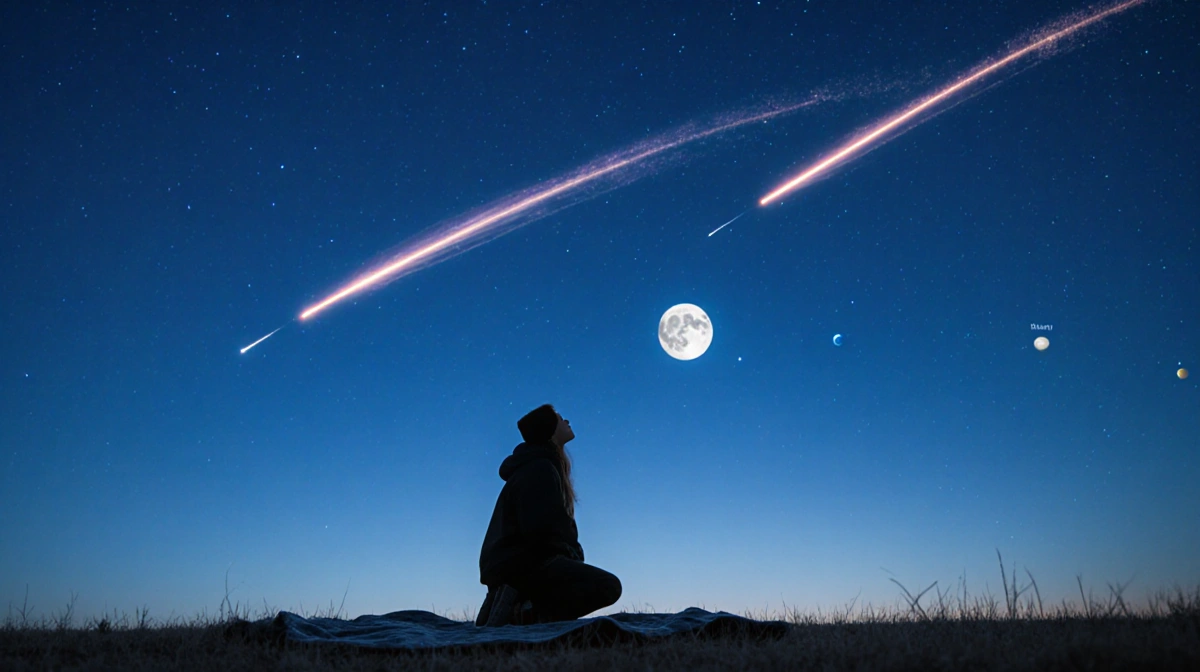
January offers North Texans a rare triple-header: a supermoon, a fireball-rich meteor shower, and four naked-eye planets parading across the sky. Mark your calendar-most events happen within the first ten nights.
Supermoon Kicks Off 2026
The full “Wolf Moon” rises at dusk on January 3rd, arriving while the moon is only 223,910 miles from Earth-its closest approach of the month. The combo of fullness plus proximity makes it 7 % larger and 15 % brighter than an average full moon.
The next comparably close full moon won’t appear until November 24th, according to the original article.
Dawn Fireballs: Quadrantids Peak January 4th
Set your alarm for the hours before sunrise on January 4th. Away from city lights, up to 110 meteors per hour streak from the obsolete constellation Quadrans Muralis-now part of Boötes.
- Face northeast, look halfway up
- No gear required-just dark skies
- Watch for bright “fireball” meteors that can outshine Venus
Evening Planet Tour: Saturn to Neptune
Early evening twilight strings Saturn, Neptune, Uranus and Jupiter across the southern sky. Catch them before they set:
- Saturn & Neptune sit only 3.5° apart on January 1st, tightening to 1.7° by month’s end
- Uranus rides high after sunset, visible in binoculars until 2 a.m. on the 31st
- Jupiter reaches opposition on January 10th, up all night at its brightest
Planet-Specific Distances from Earth
| Planet | Closest Distance | Farthest Distance |
|---|---|---|
| Saturn | 746 million miles | 1+ billion miles |
| Uranus | 1.6 billion miles | 2 billion miles |
| Jupiter | 336 million miles | 600 million miles |
Quick Mercury Glimpse Before Sunrise
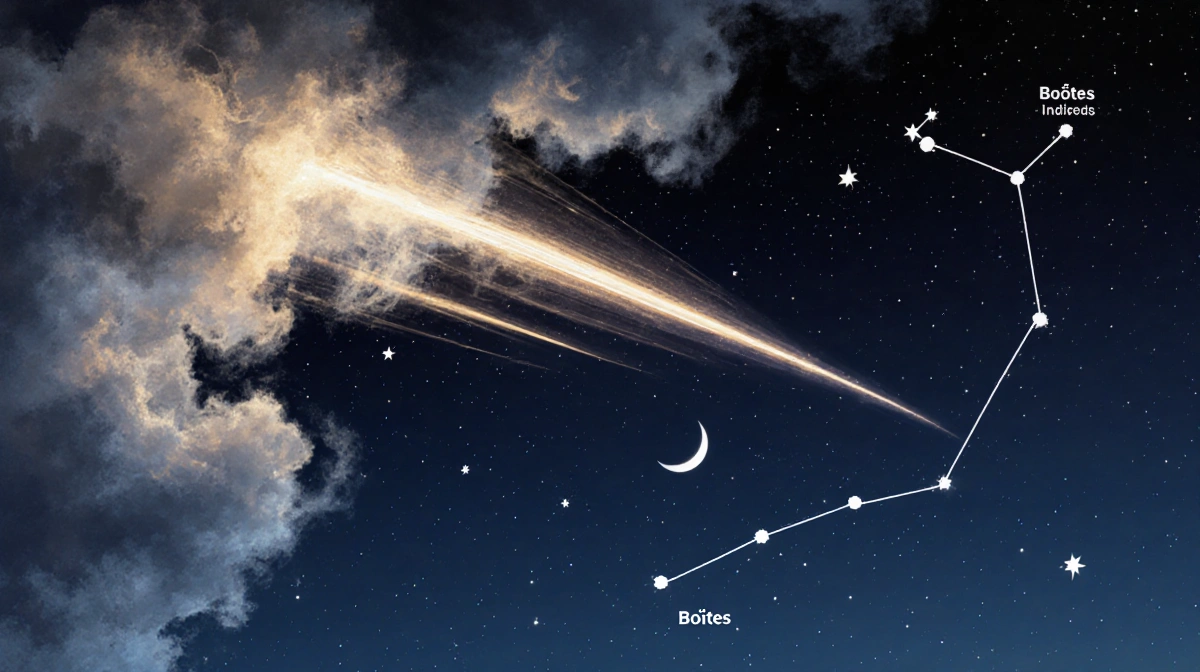
Scan the southeastern horizon about 30 minutes before sunrise during the first half of January. Mercury hovers low, then vanishes toward the Sun after the 21st. The viewing window lasts only a few minutes.
Moon Mileage: Perigee to Apogee
The moon’s elliptical orbit brings it:
- Perigee January 1st at 3:44 p.m. CST – 223,910 miles
- Apogee January 13th at 2:47 p.m. CST – 251,928 miles
Key Takeaways
- January 3rd supermoon is the year’s largest until November
- Quadrantids peak January 4th pre-dawn with up to 110 meteors/hour
- Four planets span the evening sky; Jupiter shines all night on the 10th
- No special equipment needed-just clear skies and a jacket
Bundle up, head outside, and let the cosmos come to you this January.