On Friday, a judge overseeing the early stages of Nick Reiner’s murder prosecution signed a sealed and confidential medical order that could further delay the case. The order is linked to Reiner’s long‑standing schizophrenia diagnosis and the treatment he was receiving at the time of his parents’ deaths. The move follows a series of developments that have already complicated the investigation.
Medical Order and Mental Health Context
The sealed order, signed by the judge, was described as confidential and is believed to relate to Reiner’s mental health condition. Three sources with direct knowledge of the case confirmed that Reiner was being treated for schizophrenia when his parents, Rob and Michele Reiner, were murdered. Those sources also noted that Reiner had been diagnosed with schizophrenia years earlier and was on medication.
According to the same sources, Reiner’s medication regimen was altered or adjusted before the killings, though they did not specify a precise timeline. The sources declined to discuss the order’s contents beyond these details, citing confidentiality. They emphasized that the changes in medication were part of ongoing treatment for his condition.
The judge’s order was signed on Friday, but the exact date is not disclosed in the report. The order is expected to add more delays to the legal proceedings, as it requires additional steps before the court can proceed with the trial. The judge’s role is to oversee the initial stages of the prosecution, ensuring all procedural requirements are met.
Charges and Investigation
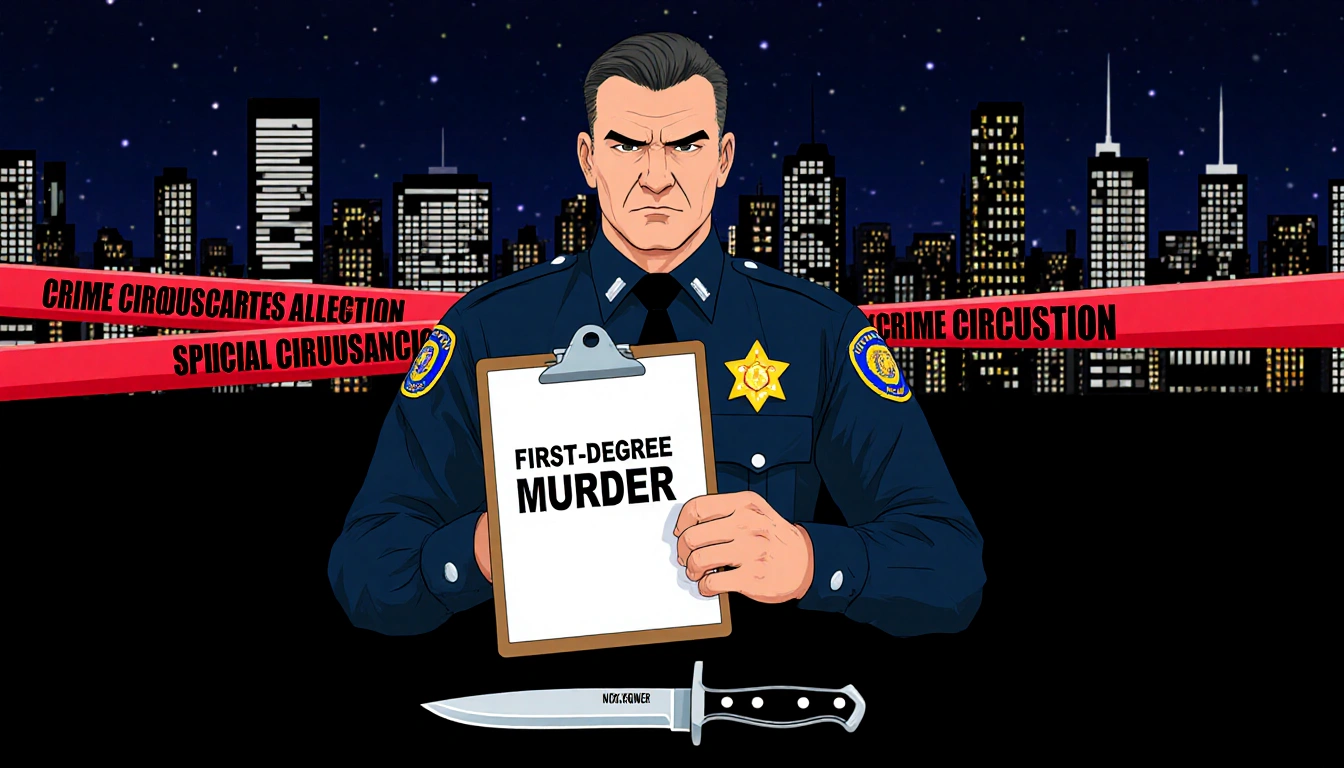
Nick Reiner was charged on Tuesday with first‑degree murder in the killings of his parents, Rob, 78, and Michele, 68. The charges include a special circumstances allegation of multiple murders and an additional allegation that Reiner used a knife during the killings. The murders occurred sometime early Sunday morning, according to police statements.
Reiner was arrested hours later in Exposition Park, south of downtown Los Angeles, about 15 miles southeast of Brentwood. The arrest was made following the discovery of his parents’ bodies inside their home on Sunday. The authorities have not yet found the murder weapon, but sources say it holds limited investigative value given other evidence.
The coroner’s office ruled the manner of death as homicide, caused by “multiple sharp force injuries.” The medical examiner identified the deaths as being caused by a sharp object. The coroner’s findings support the charges that involve the use of a knife.
Special circumstances in California elevate a murder charge to a more severe level and can carry the potential for a death sentence if prosecutors pursue capital punishment. The inclusion of this allegation reflects the seriousness of the case. Prosecutors will need to prove that the killings meet the statutory criteria for special circumstances.
Family and Public Reaction
The deaths of Rob Reiner, a celebrated director known for films such as “When Harry Met Sally…,” “A Few Good Men,” and “This Is Spinal Tap,” stunned the Hollywood community. His wife, Michele, was a talent photographer and producer. The family’s loss prompted an outpouring of tributes from entertainment industry colleagues and political figures.
Nick Reiner was the second of the couple’s three children. The family’s challenges were well‑documented, including Nick’s battles with drug addiction. Public reaction has focused on the tragic nature of the incident and the broader issues of mental health and substance abuse.
In 2015, Rob and Nick Reiner collaborated on a coming‑of‑age film called “Being Charlie.” The film was directed by Rob and co‑written by Nick, exploring the relationship between a son and father. The project was mentioned in a 2016 interview with the Associated Press.
During that interview, Rob Reiner said, “It forced us to understand ourselves better than we had.” He added, “I told Nick while we were making it, I said, ‘You know it doesn’t matter, whatever happens to this thing, we won already. This has already been good.’ We’ve worked through a lot of stuff.” The quote reflects the close bond between father and son.
In September, the family appeared together at the Los Angeles premiere of “Spinal Tap 2: The End Continues.” The event highlighted the family’s continued involvement in the film industry. It also underscored the personal impact of the tragedy on their public lives.
Reiner’s Past Struggles
Nick Reiner has spoken publicly about his struggles with drug addiction, which began in his teens. He cycled in and out of treatment facilities, experiencing bouts of homelessness and relapses in between. These challenges were documented in a 2016 interview with People.
In that interview, Reiner told People, “I spent nights on the street. I spent weeks on the street. It was not fun.” He added, “If I wanted to do it my way and not go to the programs they were suggesting, then I had to be homeless.” The statements illustrate the severity of his addiction issues.
Reiner’s history of substance abuse and mental illness has been a subject of public scrutiny. The case raises questions about the adequacy of treatment and support for individuals with similar conditions. The court’s medical order may reflect concerns about his fitness to stand trial.
Legal Implications and Future Proceedings
The sealed medical order could introduce additional procedural steps before the trial can proceed. The court will need to assess Reiner’s mental state and determine whether he is competent to face trial. This process may involve psychiatric evaluations and hearings.
If prosecutors pursue capital punishment, the special circumstances allegation could lead to a death sentence. The California legal framework requires that the jury prove each element of the special circumstances. The presence of a knife and multiple victims strengthens the prosecution’s case.
The defense may argue that Reiner’s schizophrenia and medication changes contributed to his actions. They could seek a plea of diminished responsibility or a mental health defense. The outcome will depend on the evidence presented at trial.
Media Coverage and Reporting
Sources told NBC News that Nick Reiner was disruptive at the party where the killings occurred. Robert Kovacik reports for the NBC4 News at 6 p.m. on Monday, Dec. 15, 2025, about the incident. The reporting highlights the chaotic nature of the evening.
The case has attracted significant media attention, with outlets covering the legal proceedings, the family’s reactions, and Reiner’s background. The coverage underscores the intersection of celebrity, mental health, and the criminal justice system. It also reflects public interest in high‑profile murder cases.
The sealed order’s confidentiality limits the amount of information available to the public. However, the court’s decision to keep the order sealed indicates the sensitivity of the mental health details involved. Journalists have been careful to report only confirmed facts.
The investigation remains ongoing, with law enforcement continuing to examine evidence and interview witnesses. The lack of a recovered murder weapon has not halted progress, as other evidence points to a knife. The case will likely proceed to trial once all procedural requirements are satisfied.
In summary, the judge’s sealed medical order, the charges filed, and the family’s public response paint a complex picture of a tragic event. The legal process will unfold over months, as courts evaluate mental health considerations and statutory requirements. The community watches closely as the case moves toward resolution.