
At a Glance
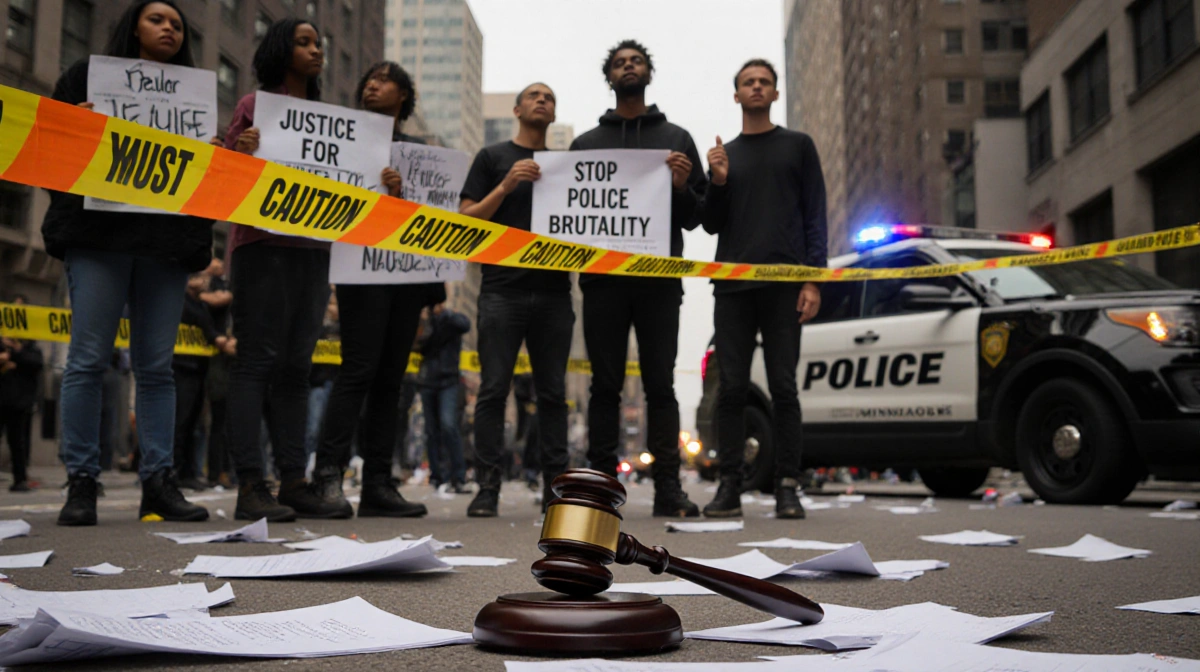
- U.S. District Judge Kate Menendez ruled federal officers cannot detain or tear gas peaceful observers
- The order blocks ICE and Border Patrol from stopping vehicles without reasonable suspicion
- The case stems from clashes after an agent fatally shot Renee Good on January 7
- Why it matters: The decision limits how aggressively federal agents can police immigration-enforcement protests in Minneapolis
A federal judge has clipped the wings of Immigration and Customs Enforcement officers working the Minneapolis-St. Paul area, barring them from detaining peaceful protesters or firing tear gas at observers who keep their distance.
The ruling from U.S. District Judge Kate Menendez lands amid weeks of confrontations between federal agents and activists tracking the Trump administration’s immigration crackdown. The court order, issued late Friday, directly answers a December lawsuit brought on behalf of six Minnesota activists who say officers have trampled constitutional rights.
What the Judge Ordered
Menendez’s decision draws three bright lines:
- Agents cannot detain or deploy tear gas against protesters who are not obstructing operations
- Officers cannot stop vehicles unless they have reasonable suspicion the occupants are interfering
- Arrests require probable cause or clear evidence a person obstructed or interfered with enforcement
The judge emphasized that “safely following agents at an appropriate distance does not, by itself, create reasonable suspicion to justify a vehicle stop.”
The Spark: A Fatal Shooting
Tensions surged after an ICE agent shot Renee Good in the head on January 7 as she drove away from a Minneapolis scene. Multiple videos captured the moment. Since then, agents have arrested or briefly detained many Twin Cities residents, inflaming nightly protests.
Government Pushback
Hours after the ruling, Department of Homeland Security Assistant Secretary Tricia McLaughlin defended her agency.
“We are taking appropriate and constitutional measures to uphold the rule of law and protect our officers and the public from dangerous rioters,” she said in a statement.
McLaughlin accused demonstrators of assaulting officers, vandalizing vehicles and damaging federal property. She added: “Rioting is dangerous-obstructing law enforcement is a federal crime and assaulting law enforcement is a felony.”
The American Civil Liberties Union of Minnesota, representing the activists, did not return requests for comment Friday night.
Broader Legal Fight
Menendez is also overseeing a parallel lawsuit filed Monday by the state of Minnesota and the cities of Minneapolis and St. Paul. That case seeks to pause the entire enforcement surge. While she declined to issue an immediate temporary restraining order at a Wednesday hearing, she called the issues “enormously important” and ordered both sides to submit additional briefs next week.
State Assistant Attorney General Brian Carter urged the court to cool the standoff.
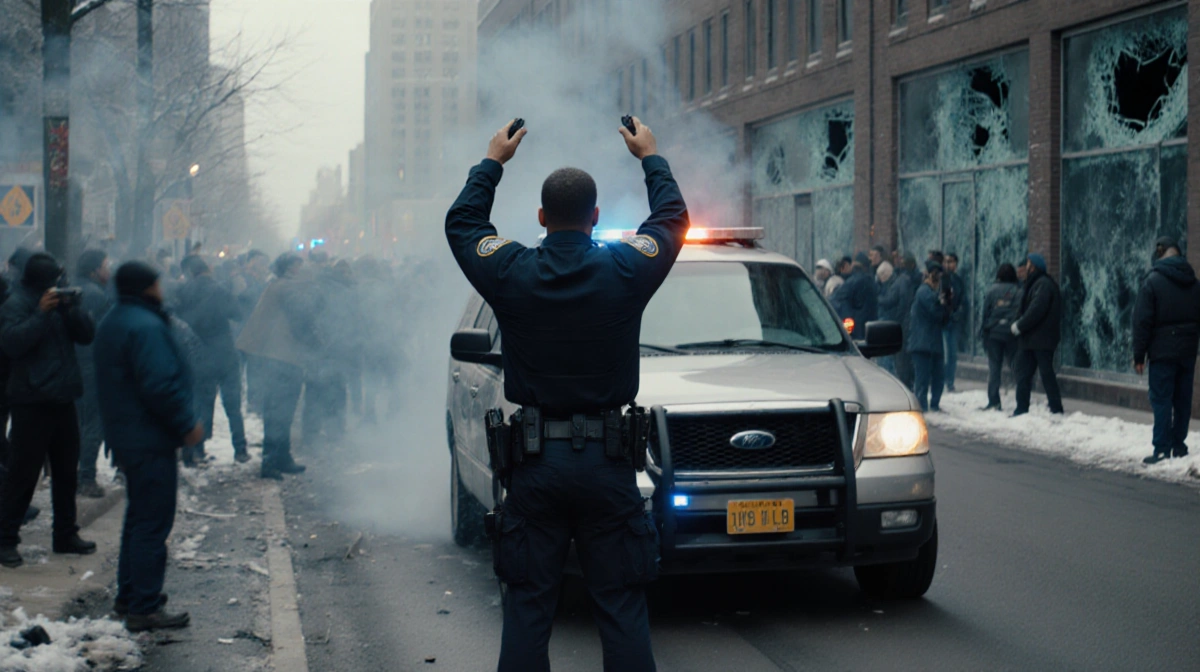
“What we need most of all right now is a pause. The temperature needs to be lowered,” Carter told the judge.
Menendez noted that some legal questions in the state case lack clear precedents, signaling a drawn-out battle ahead.
Proof-of-Citizenship Confusion
In a separate exchange, Secretary Kristi Noem sidestepped questions on whether DHS recommends Americans carry proof of citizenship-something not required by law-instead citing law enforcement’s authority to request general identification.
Key Takeaways
- Federal agents in Minneapolis must now operate under tighter restraints when confronting protesters
- The ruling protects observers who maintain distance and do not interfere
- A broader state-led challenge to the enforcement surge remains pending
- The next legal filings are due in Menendez’s court next week
Megan L. Whitfield reported from Honolulu. Associated Press writer Hallie Golden in Seattle contributed to this report.