
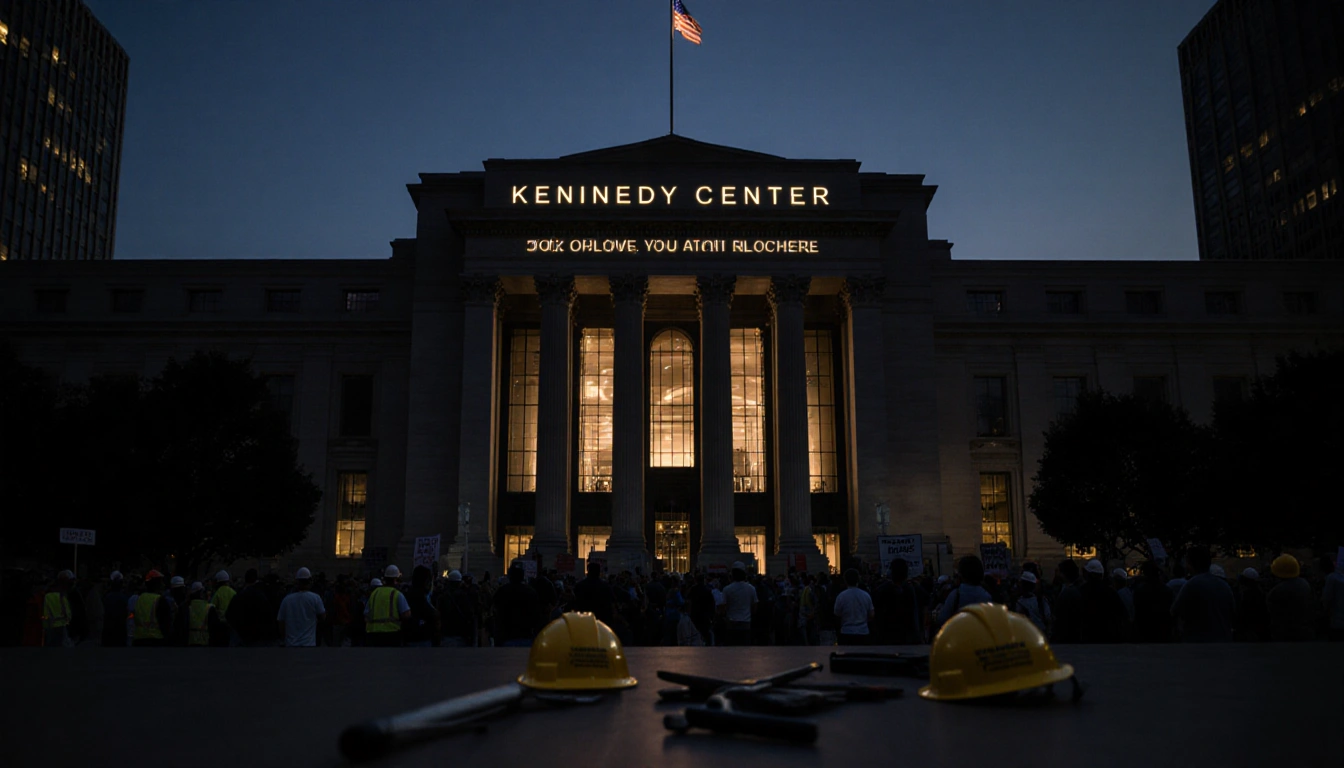
On Friday, workers unveiled Donald Trump’s name on the façade of the Kennedy Center, a move that has already ignited a firestorm among lawmakers, the Kennedy family, and the public. The change followed a unanimous board vote, a decision that some now say was not truly unanimous.
The Board’s Decision
The Kennedy Center’s board of trustees voted to add Trump’s name to the arts center, a change that the institution’s spokeswoman confirmed as unanimous. The board’s action was announced by a spokeswoman for the D.C. cultural institution and White House Press Secretary Karoline Leavitt on Thursday. Leavitt said the sought name change recognizes Trump’s work to improve the institution.
On December 19, 2025, workers were seen installing new letters above the existing sign that reads “The John F. Kennedy Memorial Center for the Performing Arts.” Blue tarps covered an exterior wall that day, blocking view of the crews as they added the new lettering. Photos and video released later showed the wall bearing Donald Trump’s name.
The new name, as the board described it, would read “The Donald J. Trump and The John F. Kennedy Memorial Center for the Performing Arts.” The logo on the center’s website was updated the same day to read “The Trump Kennedy Center.”
Legal and Constitutional Hurdles
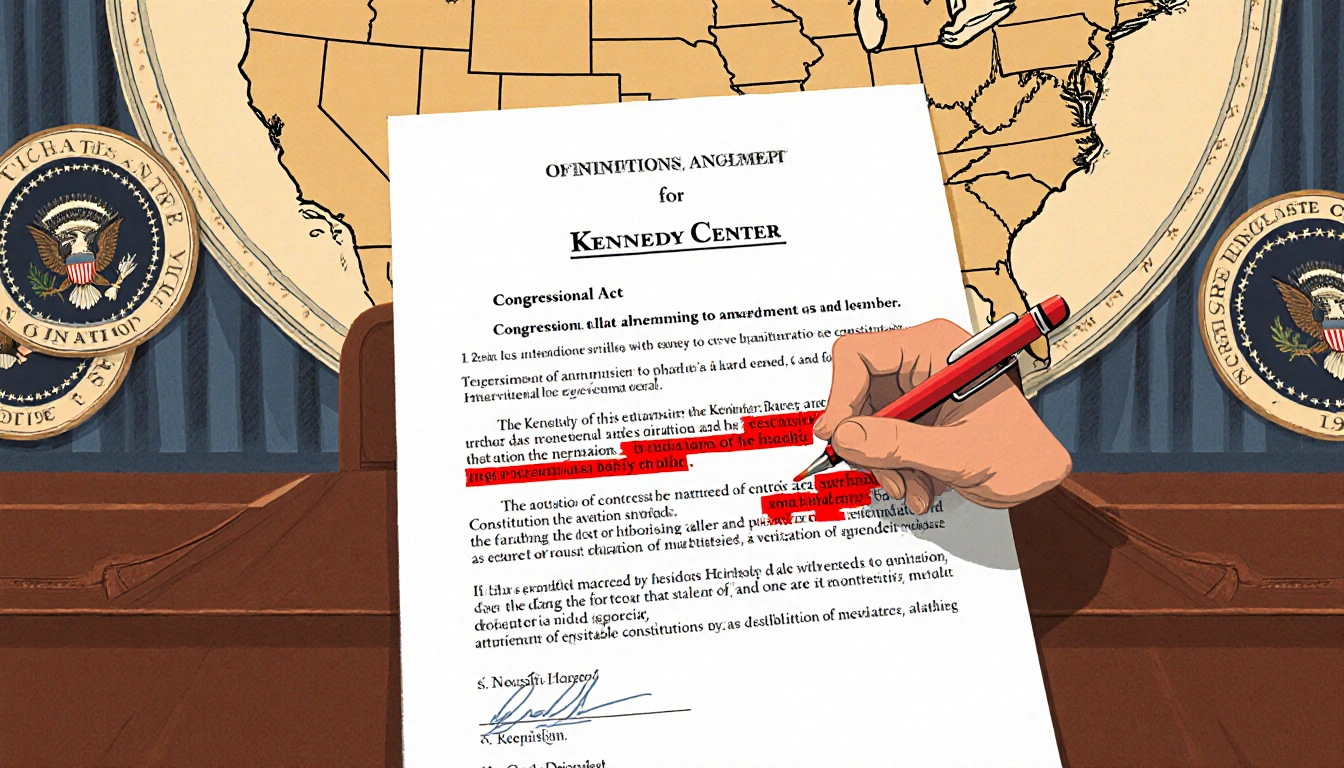
Renaming the Kennedy Center is not a simple administrative act. Because the center was established by federal law, an act of Congress is required to change its name. The article notes that it is unclear whether the Senate would provide the 60 votes needed to approve such a change. The original statutes that guided the center’s creation during the Eisenhower, Kennedy and Johnson administrations specifically prohibited renaming, so a new congressional act would be necessary.
Experts told NBC News in July that the effort could run into legal hurdles. Republican lawmakers have introduced several proposals in Congress to rename the center in honor of either President Trump or First Lady Melania Trump, but the legal framework remains a barrier.
Trump’s Reaction
Donald Trump expressed his approval of the board’s vote. “Well, I was honored,” Trump said. “The board is a very distinguished board. Most distinguished people in the country.”
Congressional and Family Opposition
Rep. Joyce Beatty, a D‑Ohio member who serves as an ex‑officio board member, disputed the unanimity of the vote. In a post on X she wrote: “For the record. This was not unanimous. I was muted on the call and not allowed to speak or voice my opposition to this move.”
Members of the Kennedy family have also spoken out. Maria Shriver, the former president’s niece, called the move “downright weird” in a statement on X. Jack Schlossberg, the late president’s grandson and a candidate for a New York congressional seat, said, “My grandparents would be mortified, and rightfully so.” Former Rep. Joseph Kennedy III, a grandnephew of the former president, told NBC News: “The Kennedy Center is a living memorial to a fallen president and named for President Kennedy by federal law. It can no sooner be renamed than can someone rename the Lincoln Memorial, no matter what anyone says.”
Trump’s Earlier Actions at the Center
The article notes that as Trump’s second term began, he quickly started making changes at The Kennedy Center. Within a month, he ousted the institution’s leadership, filled the board of trustees with his supporters and announced that he had been elected the board’s chair.
Key Takeaways
- The Kennedy Center board added Donald Trump’s name to the venue, a change that requires an act of Congress to become permanent.
- The vote’s unanimity is contested by Rep. Joyce Beatty, and Kennedy family members have publicly opposed the renaming.
- Legal barriers rooted in the center’s founding statutes could stall or block the renaming effort.
The renaming of a federal cultural landmark has sparked intense debate, highlighting the intersection of politics, law, and public memory.