
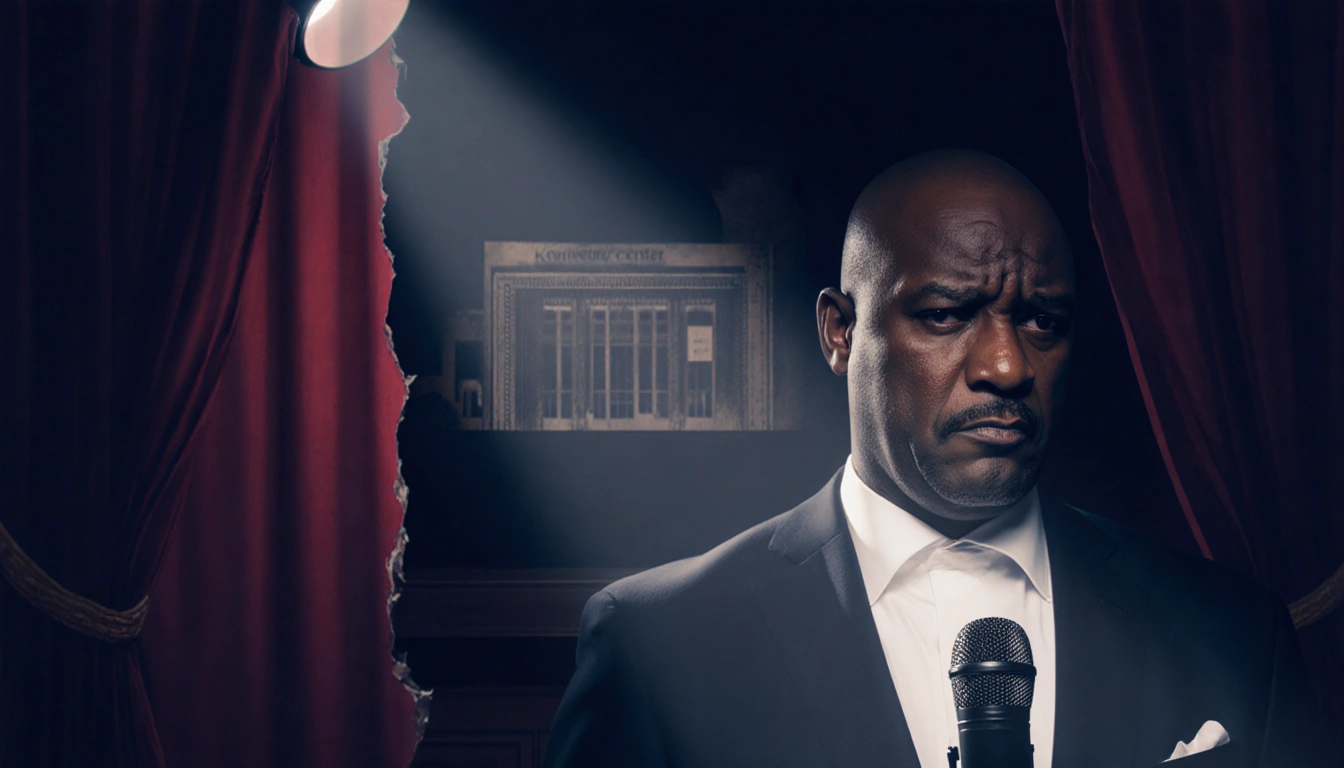
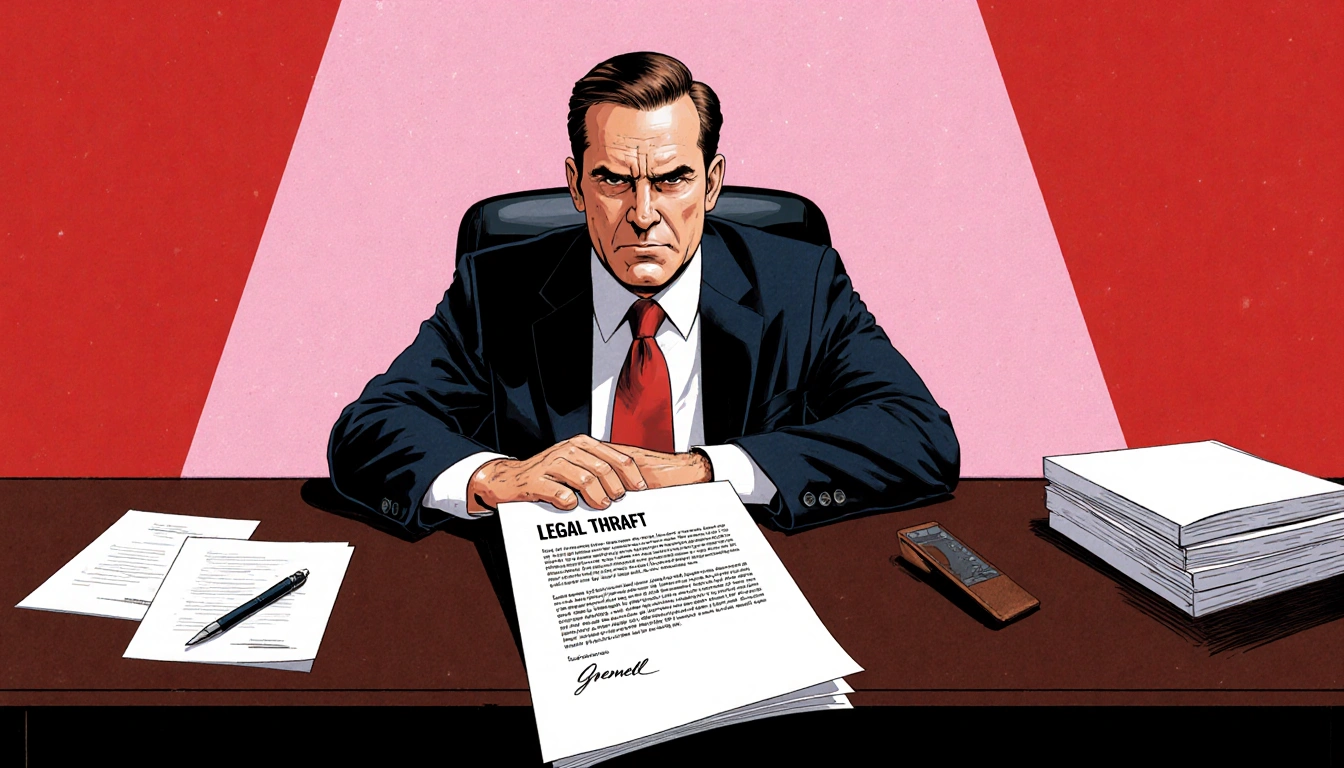
On Friday, the Kennedy Center’s president sent a scathing letter to jazz musician Chuck Redd, accusing him of staging a “political stunt” after the center’s name was changed to honor former President Donald Trump. Grenell demanded $1 million in damages, saying Redd’s last-minute withdrawal from a Christmas-Eve performance was “classic intolerance” that harmed the non-profit arts institution. The letter, which was shared with the Associated Press, reflects the growing tension over Trump’s new name on the historic venue.
Renaming Sparks Controversy
Less than a day after Trump’s self-appointed board approved the renaming, the President’s name was drilled into the side of the John F. Kennedy Center for the Performing Arts. The change was announced by the White House on the same Friday, prompting immediate reactions from artists who had performed at the venue. News4’s Dominique Moody reported on the backlash, noting that several performers expressed discontent with the decision.
The center, originally named in honor of President John F. Kennedy after his assassination in 1963, is protected by a 1964 law that designates it as a living memorial to Kennedy. The law explicitly bars the board of trustees from making the center into a memorial for anyone else or from placing another person’s name on the building’s exterior.
Grenell’s Letter and Legal Threat
In the letter, Grenell wrote:
> “Your decision to withdraw at the last moment – explicitly in response to the Center’s recent renaming, which honors President Trump’s extraordinary efforts to save this national treasure – is classic intolerance and very costly to a non-profit Arts institution,”
He added that he would seek $1 million in damages “for this political stunt.” Grenell, a Trump ally appointed by the president after the previous leadership was forced out, has been criticized for aligning the Kennedy Center’s artistic mission with the former president’s political agenda.
Redd’s lawyer has yet to respond to a request for comment. The AP report notes that Redd did not immediately reply.
Redd’s Decision to Cancel
Chuck Redd, a drummer and vibraphone player, has presided over the Kennedy Center’s holiday “Jazz Jams” since 2006, succeeding bassist William “Keter” Betts. In an email sent Wednesday to the AP, Redd explained his reasoning:
> “When I saw the name change on the Kennedy Center website and then hours later on the building, I chose to cancel our concert,”
He added that the event had been a “very popular holiday tradition” and that he often featured at least one student musician. Redd said, “One of the many reasons that it was very sad to have had to cancel.”
The cancellation came at a time when the center’s programming had been a staple of the holiday season for families and music lovers across the nation.
Legal and Historical Context
The renaming decision has drawn scrutiny from scholars who argue that it violates the 1964 law. Former House historian Ray Smock has stated that any changes to the center’s name would have to be approved by Congress, a process that has not yet occurred. Kennedy niece Kerry Kennedy has vowed to remove Trump’s name from the building once he leaves office.
The law’s restrictions were put in place to preserve the Kennedy Center’s identity as a memorial to President Kennedy. By contrast, the Trump board’s approval of the renaming is viewed by some as a direct challenge to that mandate.
Reactions from the Arts Community
Artists who performed at the Kennedy Center expressed frustration over the sudden name change. Dominique Moody’s coverage highlighted a sense of betrayal among musicians who had long seen the venue as a neutral, artistic space. The AP writer Hillel Italie contributed to the report from New York, providing context on the center’s historical significance.
The controversy underscores the tension between political influence and artistic independence. While Grenell’s letter frames the issue as intolerance, Redd’s withdrawal is portrayed by the AP as a principled stand against politicization.
Key Takeaways
- The Kennedy Center’s name was changed to honor Donald Trump, a move that conflicts with a 1964 law protecting the venue as a memorial to President Kennedy.
- President Richard Grenell demanded $1 million in damages from jazz artist Chuck Redd, who canceled a Christmas-Eve concert after the renaming.
- Scholars, former House historian Ray Smock, and Kennedy niece Kerry Kennedy argue that the renaming violates the law and that any removal of Trump’s name would require congressional approval.
The clash between the Kennedy Center’s leadership and its artists highlights the broader debate over the intersection of politics and culture. As the controversy unfolds, the future of the venue’s name and its artistic programming remain uncertain. The AP will continue to report on developments as they arise.