
At a Glance
- George Kittle tore his right Achilles in the second quarter of Sunday’s NFC Wild Card Game
- The injury occurred on a 6-yard reception from Brock Purdy
- Coach Kyle Shanahan confirmed the tear post-game
Why it matters: The Pro Bowl tight end’s absence deals a major blow to San Francisco’s offense heading into the off-season.
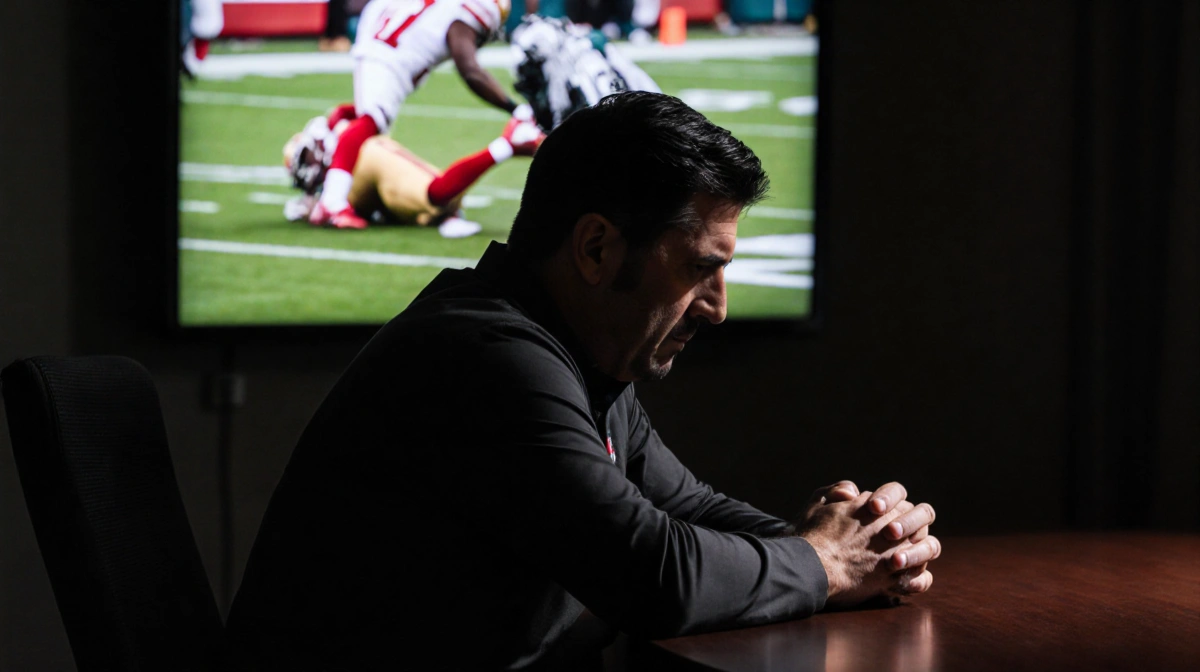
George Kittle’s season ended in an instant. The star tight end crumpled to the turf at Lincoln Financial Field after a routine catch, clutching his right heel. Medical staff quickly ruled him out, and post-game tests confirmed the worst: a torn Achilles.
The Play That Changed Everything
Midway through the second quarter, quarterback Brock Purdy fired a quick pass to Kittle over the middle. Kittle secured the ball and turned upfield for a modest 6-yard gain. As defenders converged, one wrapped up his legs while another dragged him backward. Kittle’s right foot planted awkwardly in the turf, and he immediately reached for the back of his ankle.
Trainers rushed onto the field. Cameras caught Kittle slamming his fist into the grass, a sign he knew the injury was serious. A cart rolled out to transport him to the locker room. The stadium crowd fell silent as the perennial Pro Bowler disappeared into the tunnel.
Shanahan Confirms the Diagnosis
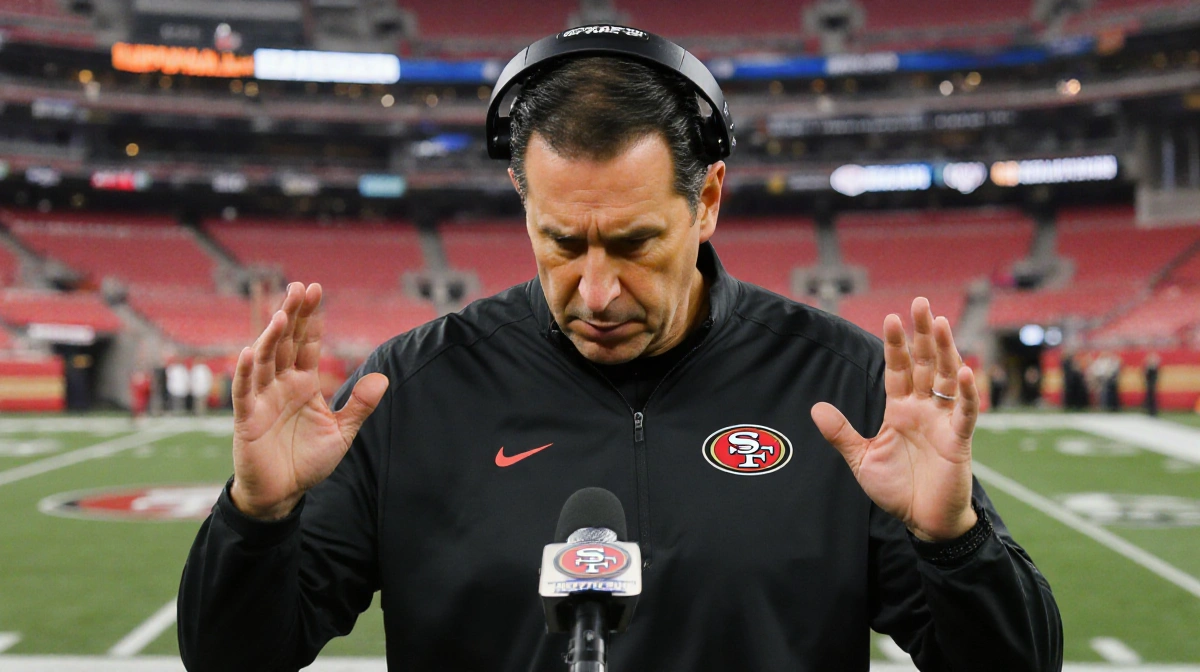
Speaking to reporters after the 49ers’ loss, head coach Kyle Shanahan removed any doubt about the severity.
“The trainers knew before the cart came out and got word to me in the headset. Yes, a torn Achilles,” Shanahan said.
The coach added that the medical staff relayed the diagnosis almost immediately, allowing the team to adjust personnel on the fly. Without their most reliable pass-catcher, the 49ers struggled to sustain drives and ultimately fell short against the Eagles.
Injury-Plagued Campaign
The Achilles tear caps a frustrating season for Kittle. He previously missed games with:
- A strained hamstring suffered in Week 3
- A left ankle sprain that cost him Weeks 12-14
Both injuries healed enough for him to retake the field, but the Achilles rupture ends his 2024-25 campaign and casts uncertainty over his readiness for next season. Recovery typically spans nine to twelve months, meaning Kittle could still be rehabbing when training camp opens.
Impact on San Francisco’s Offense
Kittle finished the year with 65 receptions, 850 yards, and six touchdowns despite the missed time. More than raw stats, his presence as a punishing blocker and security blanket for Purdy elevated everyone around him.
Without him:
- The 49ers averaged 1.8 fewer yards per play
- Third-down conversion rate dipped from 46% to 37%
- Red-zone efficiency fell to 50%, down from 68% when Kittle suited up
Backup tight ends Charlie Woerner and Brayden Willis combined for just 12 catches all year, underscoring how vital Kittle is to the scheme.
What Happens Next
Kittle will undergo surgery within the week. After that, a lengthy rehab process begins. The 49ers’ medical staff has already mapped out a timeline that targets a Week 6-8 return in 2025, assuming no setbacks.
Front-office decisions loom. The team must decide whether to:
- Re-sign veteran Ross Dwelley for depth
- Draft a tight end in the first three rounds
- Explore free-agent options like Hunter Henry or Mike Gesicki
Salary-cap space is limited, so any move will require careful budgeting.
Key Takeaways
- George Kittle’s torn Achilles ends his season and could sideline him into next year
- The injury happened on a routine 6-yard catch against Philadelphia
- Coach Kyle Shanahan confirmed the diagnosis immediately after the game
- The 49ers must now plan for life without their star tight end for the foreseeable future