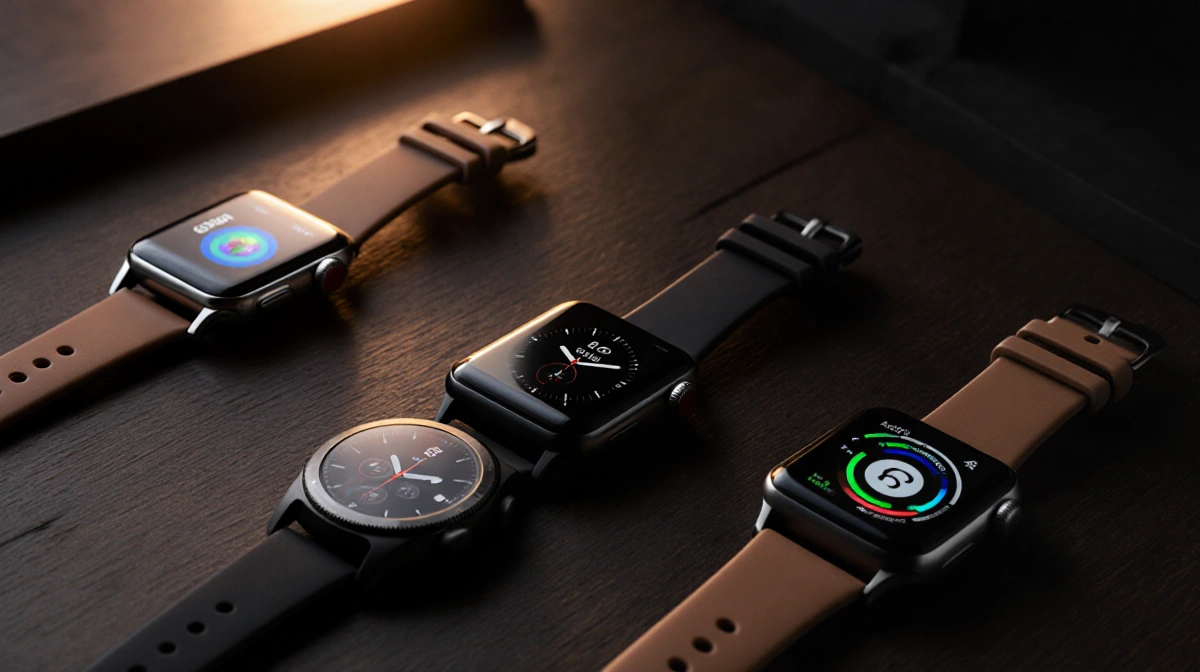

At a Glance
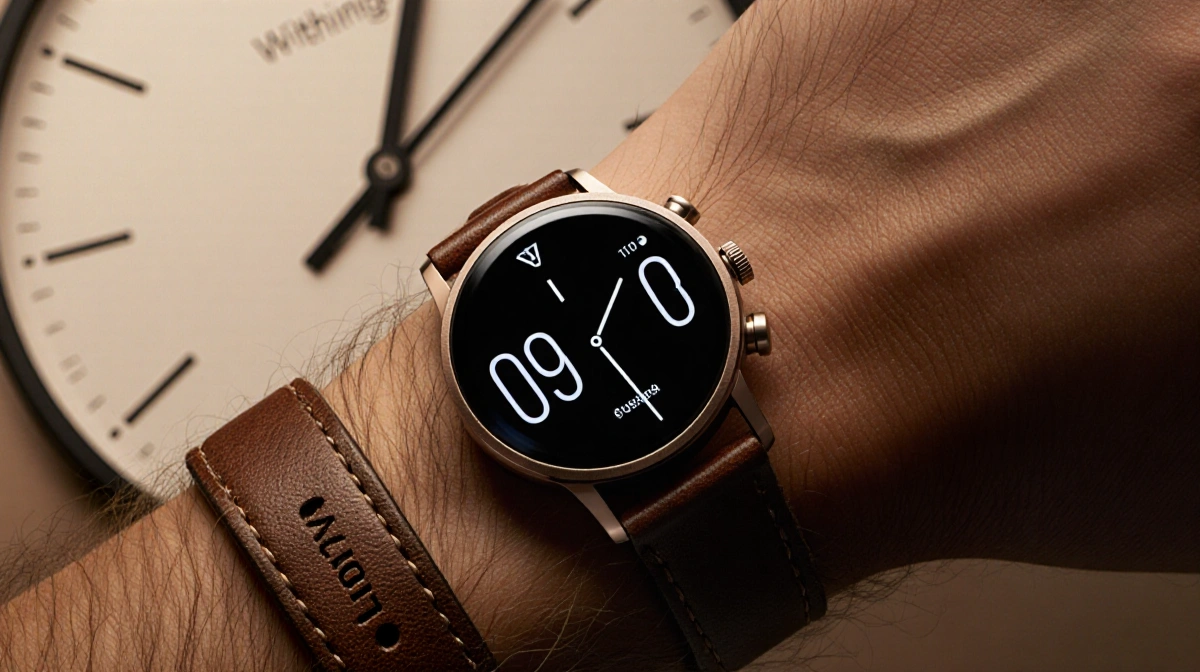
- Tag Heuer’s $1,950 Calibre E5 targets fashion-first buyers with limited smart features
- Withings ScanWatch 2 now runs HealthSense 4 OS, boosting battery to 35 days
- Apple Watch Series 10 drops to sub-$300 while Ultra 2 holds at $549
- Why it matters: Shoppers can grab last-gen flagships for hundreds less without losing core health tracking
The smartwatch aisle keeps growing, and Natalie A. Brooks at News Of Fort Worth just finished testing nine watches that sit outside the usual Apple-and-Samsung spotlight. From Swiss luxury to rugged G-Shock, each brings a twist on fitness, battery life or price.
Tag Heuer Calibre E5
Tag Heuer’s $1,950 Calibre E5 is for collectors who want a Tag first and a smartwatch second. It skips Wear OS, so you can’t reply to messages or install third-party apps, and sleep tracking is still “coming soon.” Heart rate, steps, calories and a handful of workouts record fine, though intensive runs skew slightly high. Tag will swap the battery when it fades, but most buyers will be happier with the picks in our main guide.
Withings ScanWatch 2
Withings ScanWatch 2 keeps the same hardware it launched with years ago, yet a free HealthSense 4 update in fall 2025 stretched battery life to 35 days and tightened heart-rate, SpO₂ and sleep algorithms. The tiny OLED still makes messages hard to read, and deep insights sit behind an $8-a-month Withings+ paywall. If you like analog hands and don’t mind the screen, it’s the longest-lasting health watch you can buy.
Apple Watch Series 10
Apple Watch Series 10 (2024) now ships with watchOS 26, so it matches the newer Series 11 on hypertension alerts, Sleep Score and blood-oxygen sensing-restored via an August 2025 update. The larger, thinner case still needs a nightly charge, delivering only 18 hours. Street price has fallen below $300, making it the cheapest entry to Apple’s ecosystem if you can live with daily top-ups.
Google Pixel Watch 3
Pixel Watch 3 prices have cratered to $219 since the Pixel Watch 4 arrived. You get FDA-cleared loss-of-pulse detection, AI run plans and cardio-load feedback, though repairs remain impossible. Choose the 45 mm model; the bigger battery pushes 24 hours with the always-on display. Bargain hunters on Wear OS should grab this before stock dries up.
Apple Watch Ultra 2
Apple Watch Ultra 2 stays on sale at $549, but only if you can stomach paying almost the same as the new Ultra 3. You still get multi-day battery, an 86-decibel siren, dual-frequency GPS, Backtrack hiking navigation and louder mics. Downloaded topographic maps display on-watch, yet offline routing still requires an iPhone in your pack.
Samsung Galaxy Watch Ultra 2025
Samsung’s Galaxy Watch Ultra (2025 refresh) keeps the same 47 mm titanium shell and two-day battery, but storage doubles to 64 GB and a new blue color lands. It matches Apple Watch Ultra 2 on heart-rate accuracy and GPS tracks, yet the interface lags behind Garmin for hardcore athletes. If blue doesn’t thrill you, last year’s model saves cash with zero functional loss.
Samsung Galaxy Watch7
Galaxy Watch7 (44 mm) can be found for $210 and brings FDA-cleared sleep-apnea detection, Energy Score and an ECG-though the latter two need a Samsung phone. Battery life disappoints: barely 24 hours with always-on display and two tracked activities. Turn the screen off and toggle power-saving modes and you’ll still charge nightly. Value shoppers should consider this over the pricier Watch6 Classic.
Casio G-Shock Rangeman GPR-H1000
Casio’s $525 G-Shock Rangeman GPR-H1000 is a chunky, mud-resistant G-Shock first, smartwatch second. Six sensors, GPS and blood-oxygen tracking feed a weekly battery that hits seven days. Casio’s app occasionally loses data, and loading a heart-rate read takes patience. Still, if you want a near-indestructible outdoor watch that also logs steps and sleep, it’s the only option that shrugs off concrete and saltwater.
Samsung Galaxy Watch FE
Galaxy Watch FE costs just $176 and trims down to a 40 mm case with a dimmer screen, slower chip and smaller battery than the Watch7. Health sensors are nearly identical, delivering accurate heart-rate and sleep data. Expect about a day of runtime-sometimes less-so daily charging is mandatory. For tight budgets it’s the cheapest Wear OS watch Samsung sells.
OnePlus Watch 2
OnePlus Watch 2, last year’s model, sells for $240 and lasts three days thanks to a dual-chip power-saving layout. You lose fall detection and ECG, and heart-rate and distance accuracy are hit-or-miss. The 2R variant sheds sapphire glass and stainless steel to drop the price further, trading durability for lighter weight. Buy only if battery trumps fitness precision.
Key Takeaways
- Tag Heuer and G-Shock serve niche buyers willing to pay for brand or toughness
- Withings leads on battery life but locks insights behind a subscription
- Last-gen Apple, Google and Samsung watches now sell for $200-$300 less, delivering most flagship health tools without the bleeding-edge tax
- Whichever you choose, charge times, app paywalls and repairability still define the real-world experience