
At a Glance
- Nicolás Maduro captured by U.S. forces during a Caracas assault.
- Donald Trump announced the capture in an early-morning post; Maduro and his wife remain missing.
- The event follows months of U.S. sanctions and political isolation.
- Why it matters: It marks a dramatic shift in Venezuelan politics and heightens U.S. involvement in the region.
The capture of Venezuelan president Nicolás Maduro by U.S. forces in Caracas marks a turning point in the country’s long-standing crisis, following years of economic collapse, political unrest, and international sanctions.
Background and Rise
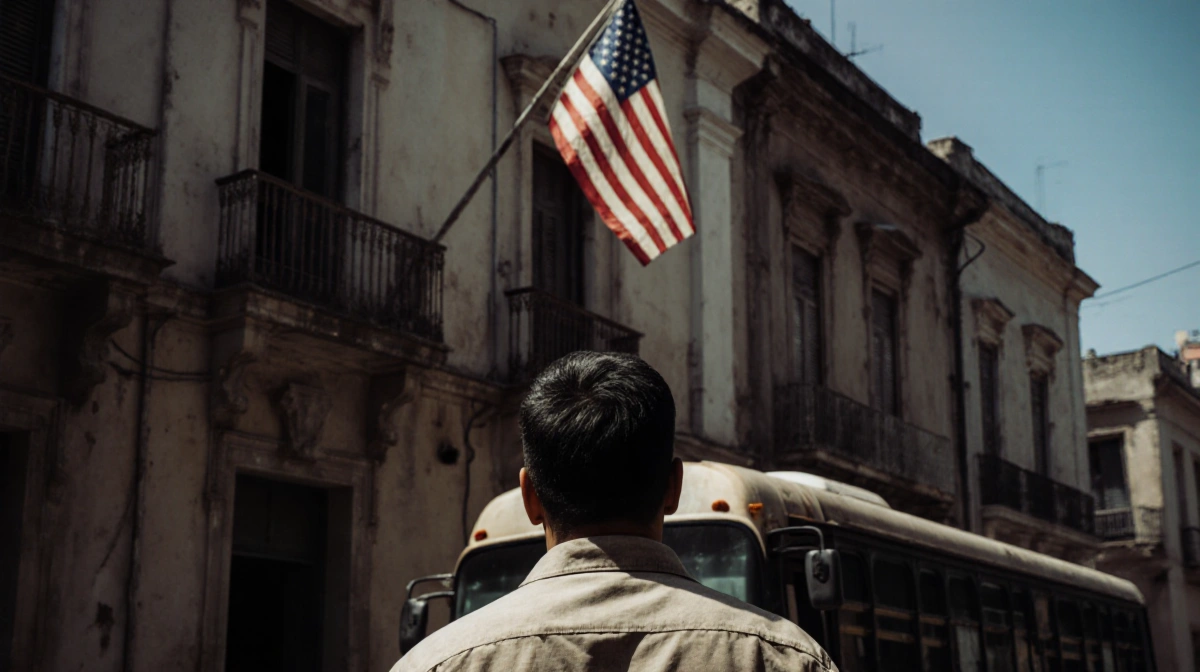
Maduro began as a bus driver for Caracas’s subway system, quickly becoming a union leader. In 1986 he traveled to Cuba for a year of ideological instruction, the only formal education he received after high school. Venezuelan intelligence identified him in the 1990s as a left-ist radical with close ties to Cuba.
He left the driver’s seat to join the movement that Chávez built, after receiving a presidential pardon in 1994 for leading a failed coup. Maduro rose through the ranks: six years as a lawmaker, president of the National Assembly, six years as foreign minister, and brief stint as vice president before becoming president after Chávez’s death in 2013.
- President of the National Assembly (2008-2014)
- Foreign Minister (2014-2020)
- Vice President (2012-2013)
- President (2013-present)
Presidency and Crisis
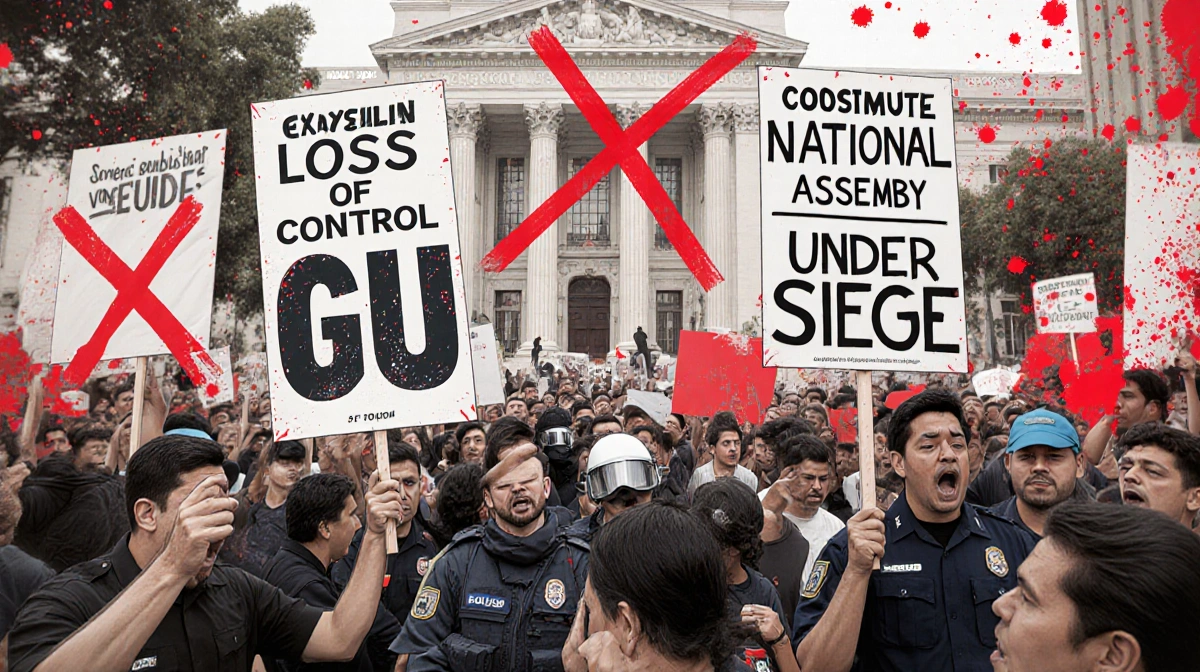
Maduro’s tenure has been defined by a deepening crisis: widespread protests, 43 deaths, mass migration, and economic collapse. The 2015 election saw the United Socialist Party lose control of the National Assembly for the first time in 16 years. In 2017 he established a pro-government Constituent Assembly to neutralize the opposition, sparking violent protests that left more than 100 dead.
The 2018 presidential election, held after moving the vote to May and excluding opposition parties, was won by Maduro with a disputed majority, but many countries refused to recognize him. In 2018 he survived a drone-bomb attack during a televised parade. The economy shrank 71% between 2012 and 2020, inflation topped 130,000%, and oil production fell below 400,000 barrels per day.
- Economy shrank 71% (2012-2020)
- Inflation 130,000%
- Oil production <400,000 barrels/day
Negotiations and 2024 Election
In 2021, Maduro introduced economic reforms that ended hyperinflation and sought concessions from U.S.-backed opposition. The talks yielded a pardon for a close ally and a sanctions license allowing Chevron to resume oil exports, providing a financial lifeline.
However, negotiations failed to resolve key political differences. In 2023 the government banned opposition leader María Corina Machado from running, and in early 2024 detained opposition leaders and human rights defenders.
The 2024 election was marred by controversy; the National Electoral Council declared Maduro the winner without detailed vote counts, while opposition tally sheets showed Edmundo González defeating Maduro by more than 2-to-1.
Recent Events
Donald Trump‘s early-morning social media post announced Maduro’s capture, labeling it a victory for democracy. Pam Bondi said Maduro and his wife would face charges after a New York indictment.
Venezuela’s vice president Delcy Rodríguez said Maduro and Cilia Flores were still missing. The capture follows months of U.S. sanctions, including asset freezes and prohibitions on business with state entities.
Key Takeaways
- Maduro’s capture could signal a new chapter in Venezuela’s turbulent history.
- The event underscores the intensity of U.S. pressure and sanctions.
- International uncertainty remains about the next steps for Maduro and his regime.
The capture could reshape Venezuela’s future, but global actors are still unclear about how to proceed.