> At a Glance
> – Nicolás Maduro faces U.S. drug charges Monday in New York, exactly 36 years after Manuel Noriega’s capture.
> – His lawyers will claim head-of-state immunity; U.S. courts have already rejected that stance.
> – Sanctions block him from paying American lawyers without Treasury approval.
> – Why it matters: The case tests U.S. power to try foreign leaders it refuses to recognize.
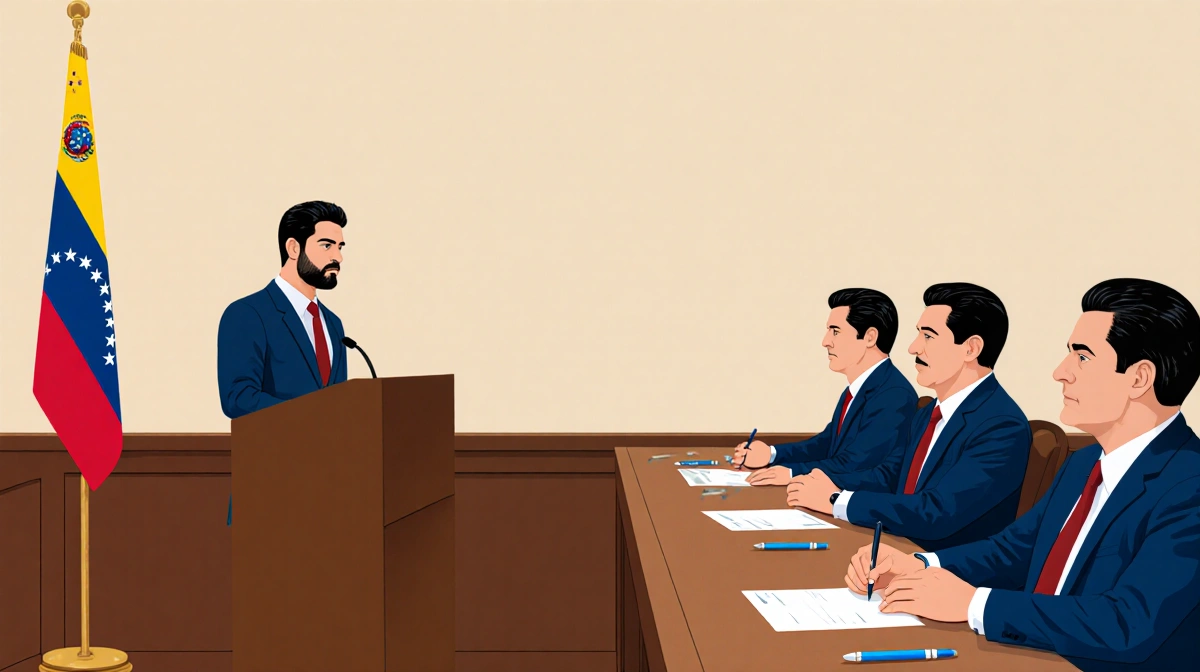
Venezuela’s Nicolás Maduro steps into a Manhattan courtroom Monday, replaying a legal drama last seen when Panama’s Manuel Noriega stood trial decades ago.
The Immunity Fight
Maduro’s defense team plans to argue he is Venezuela’s legitimate president and therefore immune from prosecution. U.S. administrations of both parties have labeled his elections fraudulent and instead recognized opposition leader Juan Guaidó.
> “There’s no claim to sovereign immunity if we don’t recognize him as head of state,” said retired federal prosecutor Dick Gregorie, who indicted Noriega and later investigated Maduro’s government.
Courts followed that logic in Noriega’s 1990s trial, and legal observers expect the same outcome here.
Legal Precedents & Capture Tactics
A 1989 Justice Department memo-written by then-Assistant Attorney General Bill Barr-said the U.N. Charter does not bar “forcible abductions” abroad to enforce U.S. laws. The opinion underpinned Noriega’s arrest and is likely to resurface in Maduro’s case.
Supreme Court rulings dating to the 1800s uphold American jurisdiction over defendants regardless of how they arrived.
Barr, who later oversaw Maduro’s indictment as Trump’s attorney general, defended the approach Sunday:
> “Going after them and dismantling them inherently involves regime change … It’s to clean that place out of this criminal organization.”
Key Differences From Noriega Era
| Factor | Noriega 1989 | Maduro 2024 |
|---|---|---|
| Title | De facto ruler, never president | Claims three electoral mandates |
| Recognition | U.S. did not recognize as president | U.S. does not recognize as president |
| Capture method | U.S. military invasion | Law-enforcement operation |
| Sanctions | Not under personal U.S. sanctions | Under sweeping Treasury sanctions |
Maduro still holds de facto power in Caracas; Noriega did not at trial. Some governments-China, Russia, Egypt-recognized Maduro’s 2024 victory.
Paying for a Defense
U.S. sanctions make it illegal for Americans to accept payment from Maduro or his wife Cilia Flores without a Treasury license. Venezuela’s current vice-president, Delcy Rodríguez, could try to fund counsel, but the government faces identical restrictions.
Previous leaders indicted while in office include Honduran ex-president Juan Orlando Hernández, convicted in 2024 and later pardoned by Trump-a move critics say muddies U.S. counternarcotics credibility.
Key Takeaways
- The State Department’s non-recognition stance is decisive for U.S. courts.
- A 35-year-old Barr memo green-lights overseas arrests to face domestic charges.
- Sanctions complicate Maduro’s search for qualified defense counsel.
- Charges allege he enabled thousands of tons of cocaine to reach the U.S.
Monday’s arraignment will test whether American courts can jail a leader Washington calls illegitimate.