
> At a Glance
> – A 21-year-old North Texas man was arrested for allegedly sending money and bomb parts to ISIS.
> – Authorities say he was duped by undercover officers posing as ISIS fighters.
> – The case involves Bitcoin payments, bomb-making materials, and a detonator found at his home.
> – Why it matters: It highlights how law-enforcement operations can expose individuals who believe they are supporting terrorism.
A 21-year-old North Texas man was taken into federal custody after a two-month sting that prosecutors say duped him into thinking he was aiding ISIS. The investigation revealed he shared extremist content and transferred money to an undercover officer. The case underscores the complexities of counter-terrorism operations in the digital age.
How the Investigation Unfolded
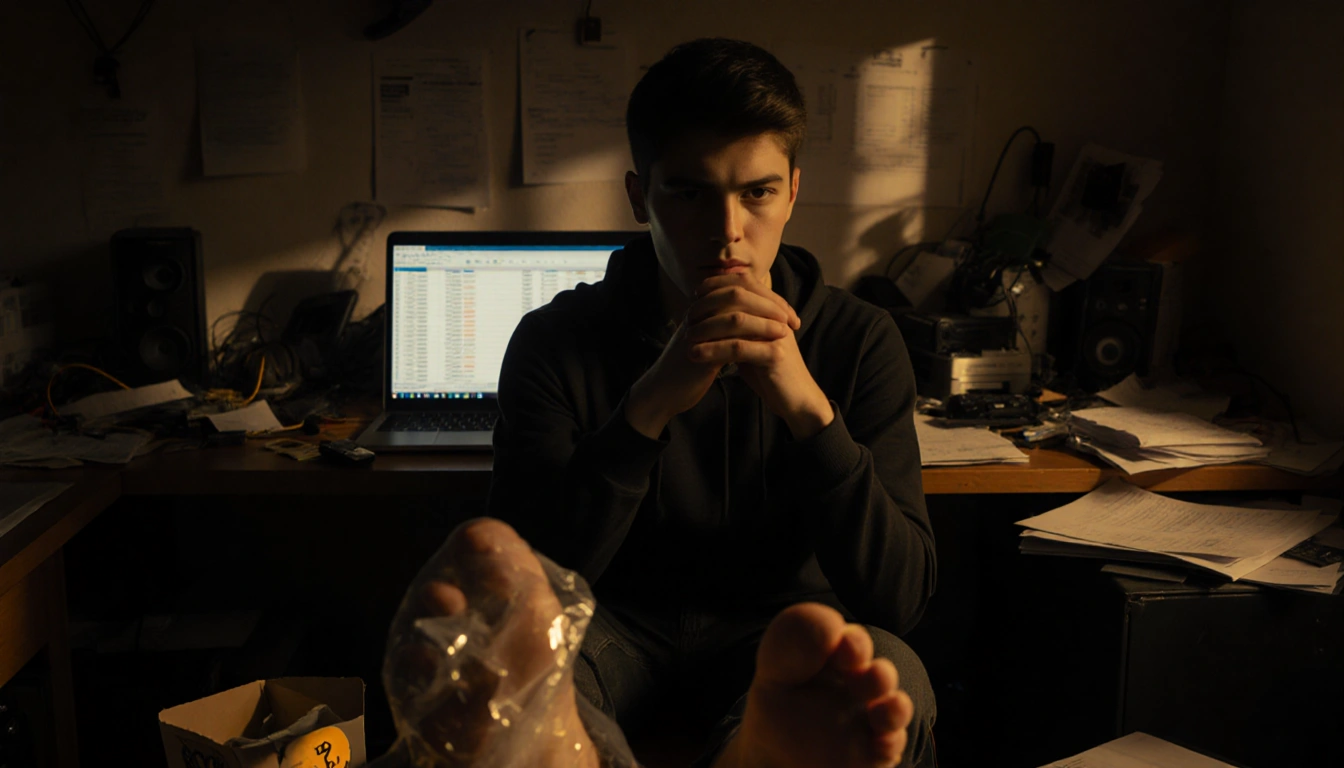
Undercover officers began messaging an Instagram account in mid-October, posing as an ISIS fighter in Iraq. The account followed several pro-ISIS profiles and commented on posts that promoted the Islamic State. Garza, who later identified himself as the account holder, posted support for ISIS, including press releases, a suicide-bombing video, and a photo of his computer setup with an Ajnad logo.
Key evidence shared by Garza:
- ISIS press releases
- A video depicting a suicide bombing
- A photo of his home computer setup with the Ajnad logo
The Arrest and Evidence
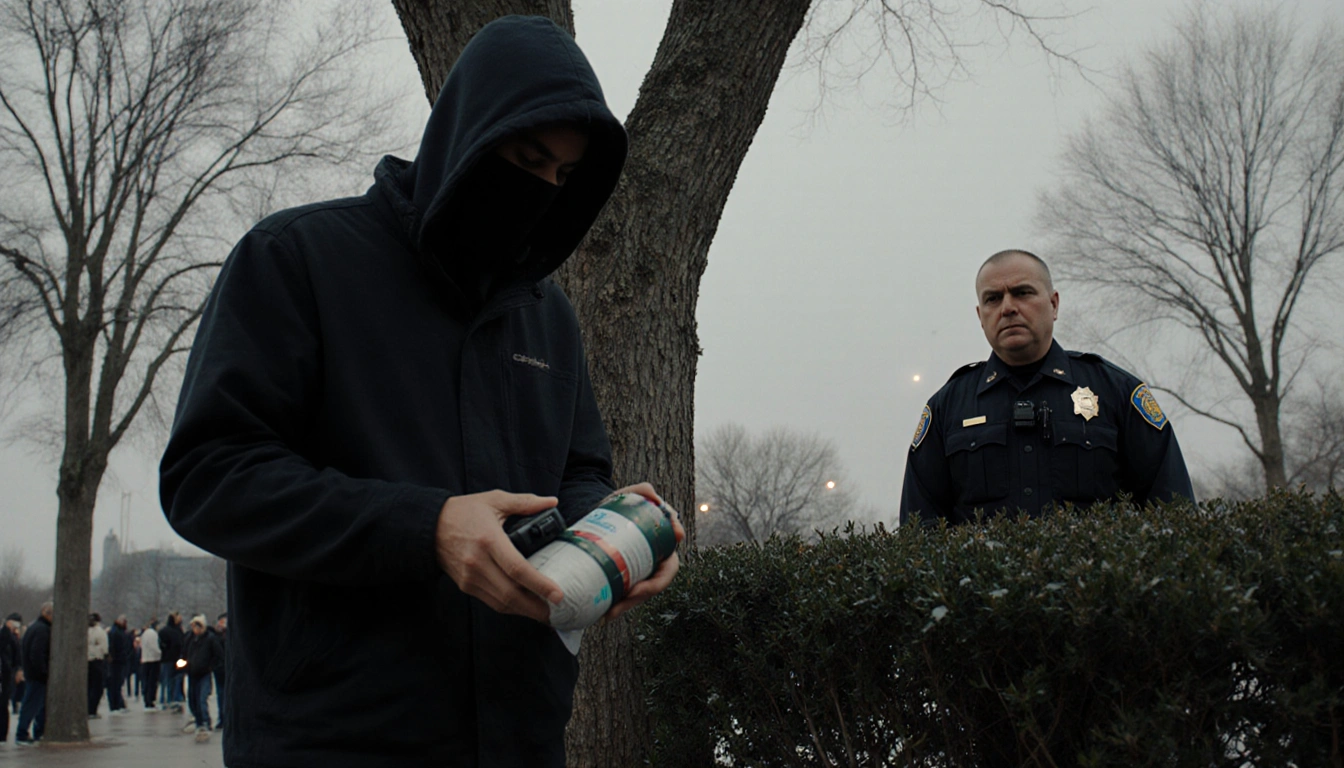
In November and December, Garza sent about $40 in Bitcoin to the undercover officer. After receiving a photo of three guns, the officer claimed they were purchased with the money, and Garza said he would send more. The investigation culminated in a meeting at a Dallas park on Dec. 22, where Garza handed bomb-making materials and sent a video explaining how to build a device. Roughly 30 minutes later, he was arrested at his Midlothian home.
A search of the home uncovered a detonator that Garza had described. Retired FBI Special Agent Edward Shaw praised the multi-agency effort:
> “I wouldn’t want to be the person charged. It looks like a pretty strong case.”
Family Response and Legal Proceedings
Garza’s father, John Garza Sr., said the allegations were a complete shock and that his son had never expressed pro-ISIS ideas. He noted his son’s neurological disorder and believes he was preyed upon. The father is now fighting for his son’s freedom.
Garza made his first court appearance on Dec. 23, with another hearing scheduled for Dec. 30. If convicted, he faces up to 20 years in federal prison.
| Date | Event | Details |
|---|---|---|
| Mid-Oct | Undercover officer starts messaging | Instagram account follows pro-ISIS profiles |
| Nov-Dec | Garza sends ~$40 Bitcoin | Money used to buy three guns |
| Dec 22 | Meeting in Dallas park | Garza hands bomb-making materials |
| Dec 22 | Arrest | Garza detained at home |
| Dec 23 | First court appearance | Hearing scheduled Dec 30 |
| Potential sentence | Up to 20 years | If convicted |
Key Takeaways
- A 21-year-old was arrested for allegedly aiding ISIS, but authorities claim he was duped by undercover officers.
- The case involved Bitcoin payments, bomb-making materials, and a detonator found at his home.
- He faces up to 20 years in prison if convicted.
The investigation shows how undercover operations can uncover individuals who believe they are supporting terrorism, while also raising questions about the methods used to identify and prosecute such cases.