
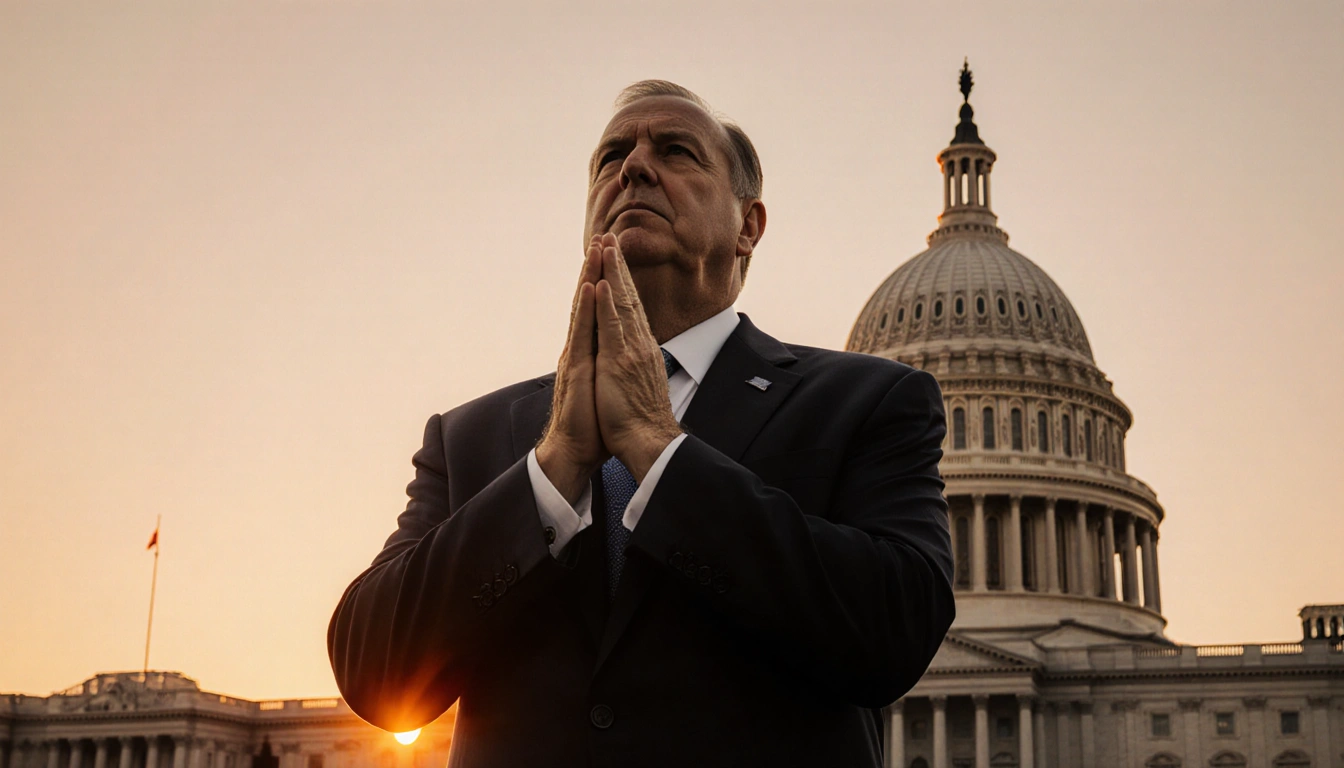

In a solemn announcement released early Saturday morning, the Church of Jesus Christ of Latter-Day Saints confirmed the death of Jeffrey R. Holland, an 85-year-old apostle and former president of Brigham Young University. Holland’s passing came as a result of complications related to kidney disease, a condition that had been a source of ongoing health challenges for several years.
Leadership and Succession
Holland had served as a member of the Quorum of the Twelve Apostles, the governing body that sets church policy and oversees its extensive business interests. He was the second longest-tenured apostle after President Dallin H. Oaks, positioning him as the next in line to lead the church under the established succession plan. With his death, the succession line now places Henry B. Eyring, one of Oaks’ two top counselors, next in line for the presidency. Oaks will need to appoint a new apostle to fill Holland’s vacancy, likely by selecting a candidate from a lower-tier leadership council.
Health and Final Days
During the Christmas holiday, Holland was hospitalized for treatment related to his ongoing health complications. In October, when President Oaks chose a new counselor, Holland was not selected, a decision that many observers linked to his declining health. That month, Holland attended several church events in a wheelchair, demonstrating his continued commitment despite physical limitations. The church’s announcement emphasized that his death was due to kidney disease complications.
Legacy in Education and Interfaith

Holland’s roots in St. George, Utah, and his early career in education administration laid the groundwork for his later leadership roles. He served as the ninth president of Brigham Young University from 1980 to 1989, during which he championed interfaith relations and oversaw the establishment of a satellite campus in Jerusalem. His efforts earned him the Anti-Defamation League’s Torch of Liberty Award, honoring his work in fostering greater understanding between Christian and Jewish communities. Holland also held the position of commissioner of the church’s global education system.
Controversial Speech and Impact
In 2021, Holland delivered a speech that became known colloquially as the “musket fire speech.” In it, he urged church members to take up metaphorical muskets in defense of the faith’s teachings against same-sex marriage. The address, which has been required reading for BYU freshmen since 2024, sparked concern among LGBTQ+ students and advocates, who felt the rhetoric was exclusionary. The speech remains a notable part of Holland’s legacy within the church.
Family and Succession
Jeffrey R. Holland is survived by his wife, Patricia Terry, their three children, 13 grandchildren, and six great-grandchildren. His family’s continued presence in the church community underscores the personal impact of his loss. The church’s announcement highlighted the vacancy in the Quorum of the Twelve, noting that Oaks will fill the position in the coming months.
Key Takeaways
- Holland, 85, died from kidney disease complications.
- He was next in line to lead the church under the succession plan.
- His death creates a vacancy in the Quorum of the Twelve.
- Holland’s legacy includes interfaith initiatives and a controversial 2021 speech.
- The church will appoint a new apostle from a lower-tier leadership council.
The Church of Jesus Christ of Latter-Day Saints mourns the loss of a devoted leader whose influence spanned education, interfaith dialogue, and church governance. His passing marks a significant moment in the church’s history, prompting reflection on his contributions and the future direction of its leadership.