

At a Glance
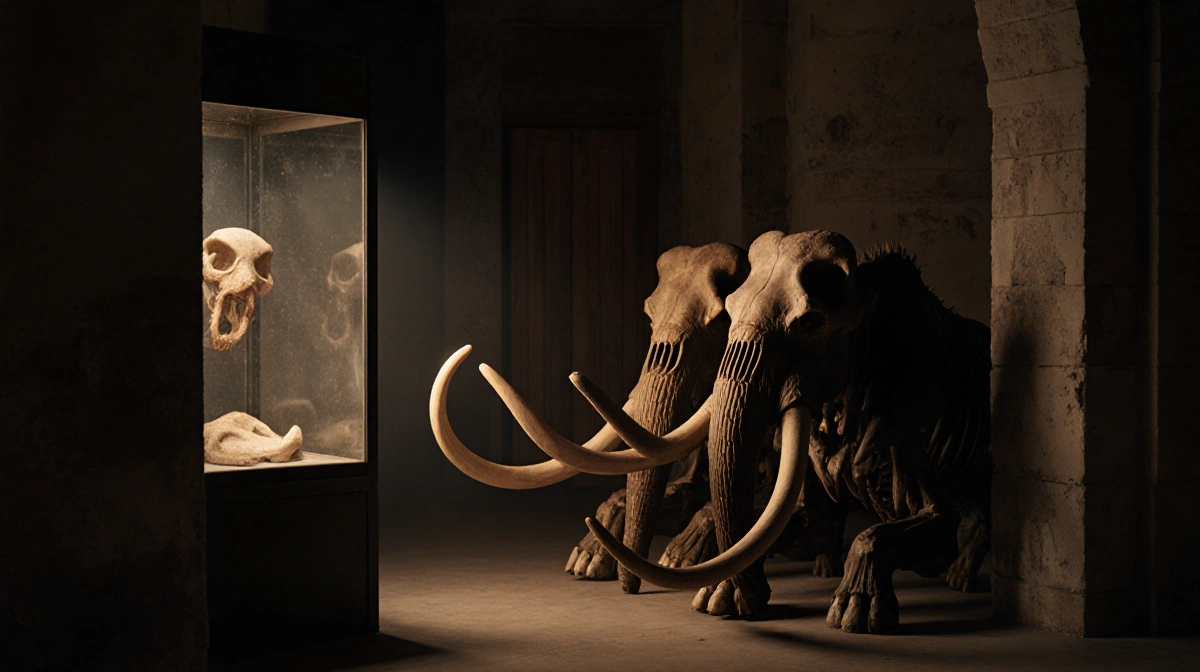
- Two whale fossils sat labeled as woolly mammoth bones for 70 years at the University of Alaska Museum of the North
- Radiocarbon dating and DNA tests proved the remains came from a minke whale and a North Pacific right whale
- The bones were discovered in 1951 in inland Alaska, far from modern coastlines
- Why it matters: Misidentifications can distort our understanding of extinction timelines and ancient ecosystems
A decades-old labeling mistake inside an Alaskan museum has upended what researchers believed about the region’s Ice-Age history. Bones collected in 1951 and stored as woolly mammoth remains are actually those of two marine mammals, illustrating how easily fossil records can mislead if left unchecked.
Mislabeled Bones Found in 1951
During fieldwork in Alaska, explorers uncovered two epiphyseal plates-growth-plate sections typically found near the ends of long bones. Museum staff cataloged the pieces as woolly mammoth vertebrae and archived them at the University of Alaska Museum of the North. The items remained untouched for more than 70 years, referenced occasionally as evidence of the iconic Ice-Age herbivore’s former range.
Public Program Triggers Fresh Look
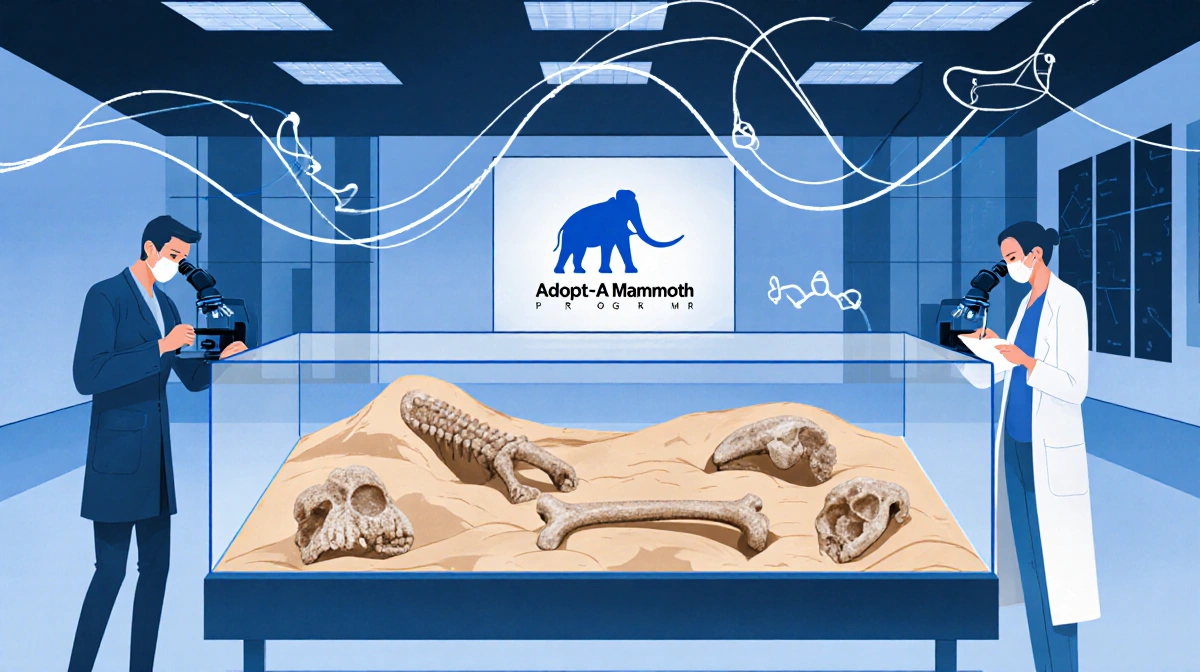
The museum’s Adopt-a-Mammoth program invites members of the public to sponsor a specimen for renewed study. When donors selected these particular fossils, curators pulled the bones from storage, hoping to verify age and species. The re-examination set off a chain of lab work that ultimately rewrote the fossils’ backstory.
Radiocarbon Dating Reveals Young Age
Radiocarbon analysis dated the bones to roughly 2,000-3,000 years old, far younger than the woolly mammoth’s last known mainland populations. Most mammoths vanished from Alaska about 10,000 years ago, though isolated groups survived on remote islands until roughly 4,000 years ago. A mainland specimen only a few millennia old would have been a headline-grabbing outlier, so researchers sought corroborating evidence.
Stable Isotopes Point to Ocean Origins
To cross-check the unexpected result, the team measured stable-isotope ratios locked inside the bone. Nitrogen and carbon signatures lined up with marine food webs, not the terrestrial plant-based diet expected for a mammoth. Matthew Wooller, the University of Alaska Fairbanks scientist who led the project, noted that the chemical fingerprints made it clear the fossils came from ocean-dwelling animals.
DNA Confirms Whale Identities
Mitochondrial DNA extraction sealed the case. Genetic sequences matched two extant whale species:
- One epiphyseal plate belonged to a minke whale
- The other came from a North Pacific right whale, one of the planet’s most endangered cetaceans
The findings appear in a peer-reviewed paper in the Journal of Quaternary Science.
Inland Location Raises New Questions
Both species normally inhabit coastal waters, yet the bones turned up well inland. Researchers floated three possible explanations:
- The whales once navigated ancient river systems that penetrated deep into the continent
- Indigenous people transported body parts for toolmaking or trade
- Original field notes mis-recorded the collection site
The first scenario seems unlikely for the plankton-feeding North Pacific right whale, which depends on dense marine food supplies. The second and third options hinge on human action, underscoring how cultural and logistical factors can shape fossil assemblages.
Double Human Error
In the end, the project demonstrates two layers of human error: a misidentification that lasted decades and, potentially, a mislabeled location of discovery. The mix-up highlights the importance of periodically revisiting archived specimens, especially when analytical tools have advanced since the original cataloging date.
Key Takeaways
- Fossil labels, even in prestigious collections, can be wrong for decades
- Modern radiocarbon dating, isotope analysis, and DNA sequencing can quickly resolve ambiguities
- Re-examining archived material may reveal unexpected species distributions
- Citizen-science initiatives like Adopt-a-Mammoth help museums prioritize fresh research