
At a Glance
- NASA’s 322-foot SLS rocket starts its 4-mile, up-to-12-hour trek Saturday at 7 a.m. ET
- Rollout sets up final tests before Artemis II launches four astronauts around the moon
- First crewed lunar flight since Apollo is targeted for a February 6-11 window, with March and April backups
- Why it matters: Success green-lights the next moon landing attempt in 2027 and keeps the U.S. ahead of China’s 2030 lunar goal
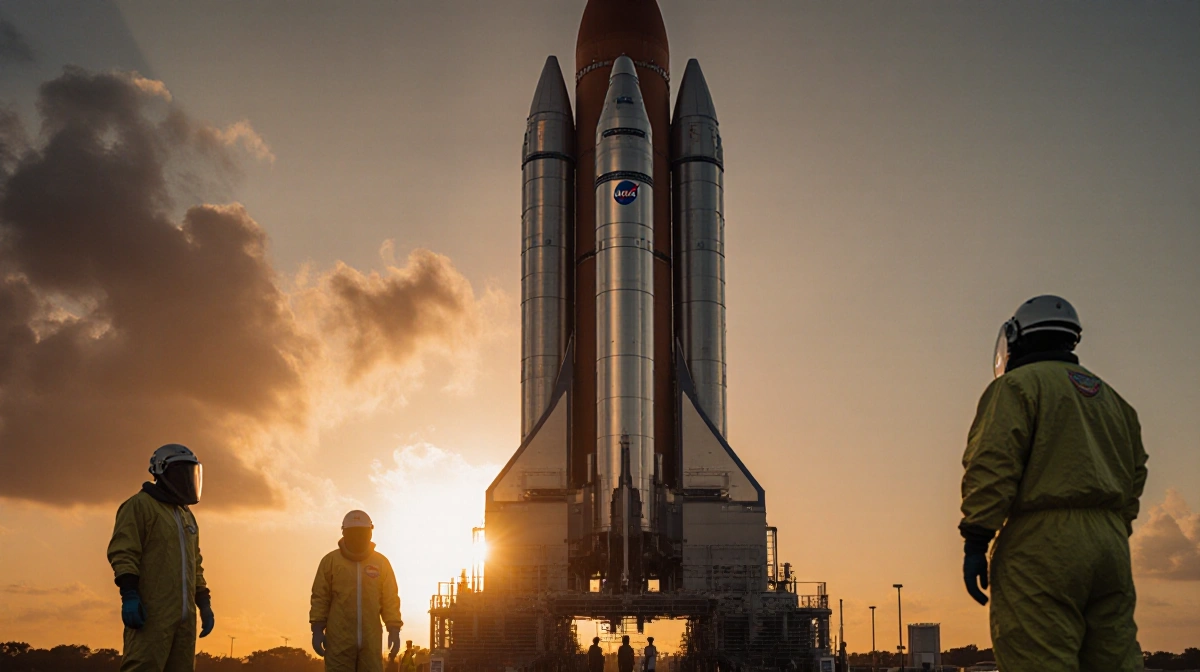
NASA is moving its massive Space Launch System rocket to the launchpad Saturday, a slow-motion milestone that opens the final stretch toward the agency’s first crewed moon mission in more than five decades.
The 11-million-pound, 322-foot-tall stack-topped by the Orion capsule that will carry four astronauts-will leave the Vehicle Assembly Building at Kennedy Space Center at 7 a.m. ET. NASA will stream the entire rollout live on YouTube.
Journey to Pad 39B
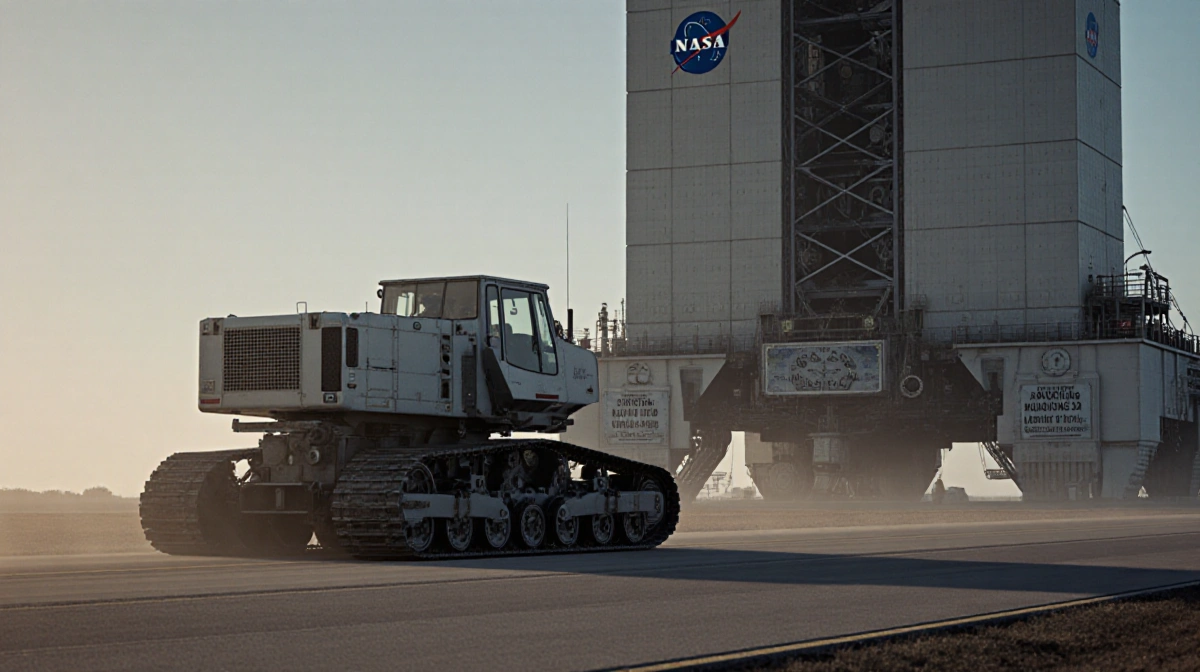
An enormous crawler-transporter will haul the rocket 4 miles to historic Launch Pad 39B at roughly 1 mile per hour, meaning the trip could last up to 12 hours. The same pad served Apollo and shuttle missions.
Once the rocket is in place, engineers will prep for the wet dress rehearsal, a full-scale practice run that includes:
- Loading more than 700,000 gallons of cryogenic propellants
- Running the countdown to T-minus 29 seconds
- Simulating every procedure short of ignition
“Launch day will be pretty similar to wet dress,” said Charlie Blackwell-Thompson, Artemis launch director. “There’ll be two big differences: One is that we’re going to send the crew to the pad, and the other one is we’re not going to stop at 29 seconds.”
Astronauts and Timeline
The Artemis II crew-NASA astronauts Reid Wiseman, Victor Glover, Christina Koch, and Canadian Space Agency astronaut Jeremy Hansen-will spend 10 days in space. Their route:
- Orbit Earth for systems checks
- Fire Orion’s engine for lunar transit
- Loop behind the moon and return
If the wet dress goes smoothly, NASA may soon commit to a launch window between February 6 and February 11, with additional opportunities in March and April. Any technical snags would force the rocket back to the assembly building for repairs.
Political Stakes
Returning Americans to the lunar surface is a stated priority for President Donald Trump, especially as China targets its own crewed moon landing by 2030. NASA has already delayed the follow-on Artemis III landing mission to 2027.
“These are the kind of days we live for,” said John Honeycutt, chair of the Artemis II mission management team, during a Friday briefing.
What Comes Next
After rollout and the wet dress rehearsal, NASA will:
- Analyze data on fuel-system leaks and integrated performance
- Certify Orion’s life-support and docking systems for crew
- Set the official launch date
A successful Artemis II flight will clear the way for Artemis III, the mission designed to put two astronauts on the moon’s south pole-something no human has ever visited.
Key Takeaways
- The rollout marks the first time a crew-ready SLS leaves the assembly building
- Every hour of the slow crawl is broadcast live, underscoring public interest
- Artemis II is the last major test before NASA attempts a lunar landing
- U.S. leaders view beating China back to the moon as both strategic and symbolic
NASA’s crawler-transporter is scheduled to start rolling at sunrise Saturday, rekindling moon ambitions half a century after Apollo 17’s final footsteps.