

At a Glance
- NASA’s Crew-11 splashed down off California after a medical emergency forced an early ISS departure
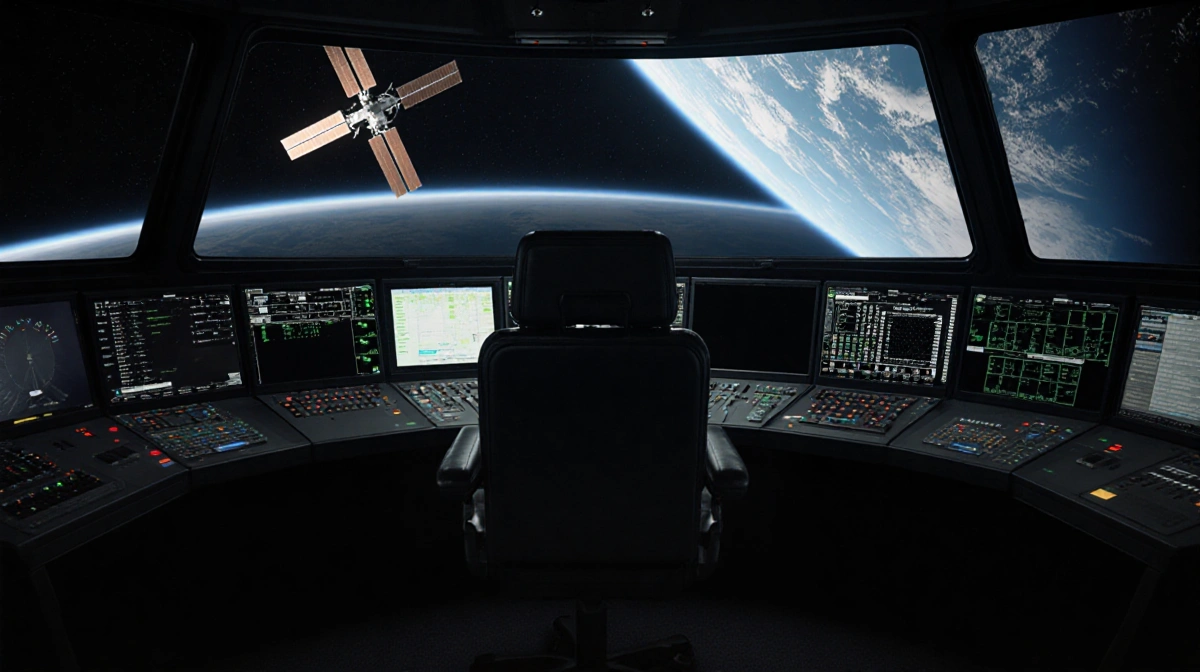
- The ISS now operates with a skeleton crew of three, the minimum needed to keep the station running
- Crew-12 won’t arrive until February, leaving Chris Williams, Sergey Kud-Sverchkov, and Sergei Mikaev alone for about a month
- Why it matters: This marks the first medical evacuation in the station’s 25-year history, testing NASA’s contingency plans and temporarily reducing scientific output
NASA’s Crew-11 astronauts returned to Earth early Thursday after a medical situation aboard the International Space Station forced an unprecedented evacuation. The predawn splashdown off the California coast ended their mission ahead of schedule and left the orbital laboratory with its smallest crew in years.
The Evacuation
Monday saw pilot Mike Fincke pass command to Roscosmos cosmonaut Sergey Kud-Sverchkov. By Wednesday, Fincke and his three crewmates had departed, leaving the station with just three occupants: Kud-Sverchkov, fellow cosmonaut Sergei Mikaev, and NASA’s Chris Williams.
This trio represents the bare minimum needed to maintain operations. While not inherently dangerous, the reduced crew will significantly impact daily activities on the ISS.
Historical Context
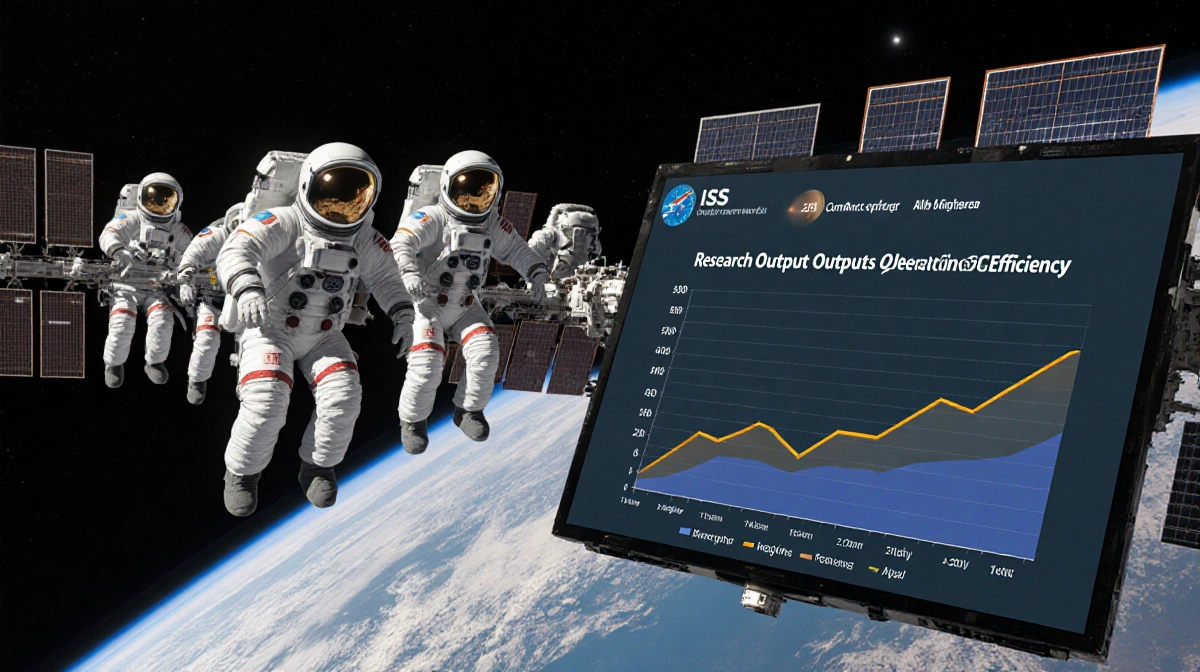
The space station has hosted humans continuously for 25 years. During its first nine years, three-person crews were standard. The program later expanded to seven astronauts to maximize research output and operational efficiency.
Larger crews provide more hands for both maintenance and laboratory work. With only three crew members, many non-essential tasks must wait.
Current Operations
Kud-Sverchkov, Mikaev, and Williams will prioritize essential maintenance over research until Crew-12 arrives in February. Their to-do list has shifted dramatically:
- Focus on critical station operations
- Defer non-essential experiments
- Avoid spacewalks unless safety demands them
- Maintain two-person EVA protocols with two-person support inside
Williams now manages NASA’s segment solo while his Russian colleagues handle the Roscosmos portion. NASA Associate Administrator Amit Kshatriya emphasized Williams’s training during a January 8 press conference: “Chris is trained to do every task that we would ask him to do on the vehicle.” Ground control and the Russian crew stand ready to assist.
Timeline
| Event | Date |
|---|---|
| Command handover | Monday |
| Crew-11 departure | Wednesday |
| Crew-11 splashdown | Thursday |
| Crew-12 arrival | February |
| Current crew departure | Summer |
The skeleton crew period should last roughly one month if Crew-12 launches on schedule. Williams, Kud-Sverchkov, and Mikaev are expected to complete an eight-month mission, remaining aboard through summer.
Returning Astronauts
All four Crew-11 astronauts are undergoing routine medical evaluations to begin reconditioning. Extended exposure to microgravity causes:
- Muscular atrophy
- Bone density loss
- Fluid shifts
Astronauts typically require weeks of rehabilitation after landing. The crew member whose condition triggered the evacuation will now receive diagnostic care impossible to provide on the station. NASA has not identified the astronaut or revealed specifics, only confirming the individual remains stable.
A First for the Program
This medical evacuation represents a historic first for the ISS program. Over a quarter-century of continuous habitation, NASA has never before brought a crew home early for health reasons.
Officials view the safe, swift return as validation of the agency’s contingency planning. Both NASA leadership and the remaining crew express confidence in maintaining operations until reinforcements arrive.
Key Takeaways
- The ISS operates with three crew members, the minimum for basic functions
- Scientific research will pause while the skeleton crew handles essential maintenance
- Crew-12’s February arrival will restore full operations
- NASA’s handling of its first medical evacuation demonstrates preparedness for emergencies
The station’s temporary understaffing highlights the delicate balance required to keep humans living and working in orbit, where even minor medical issues can cascade into mission-altering events.