
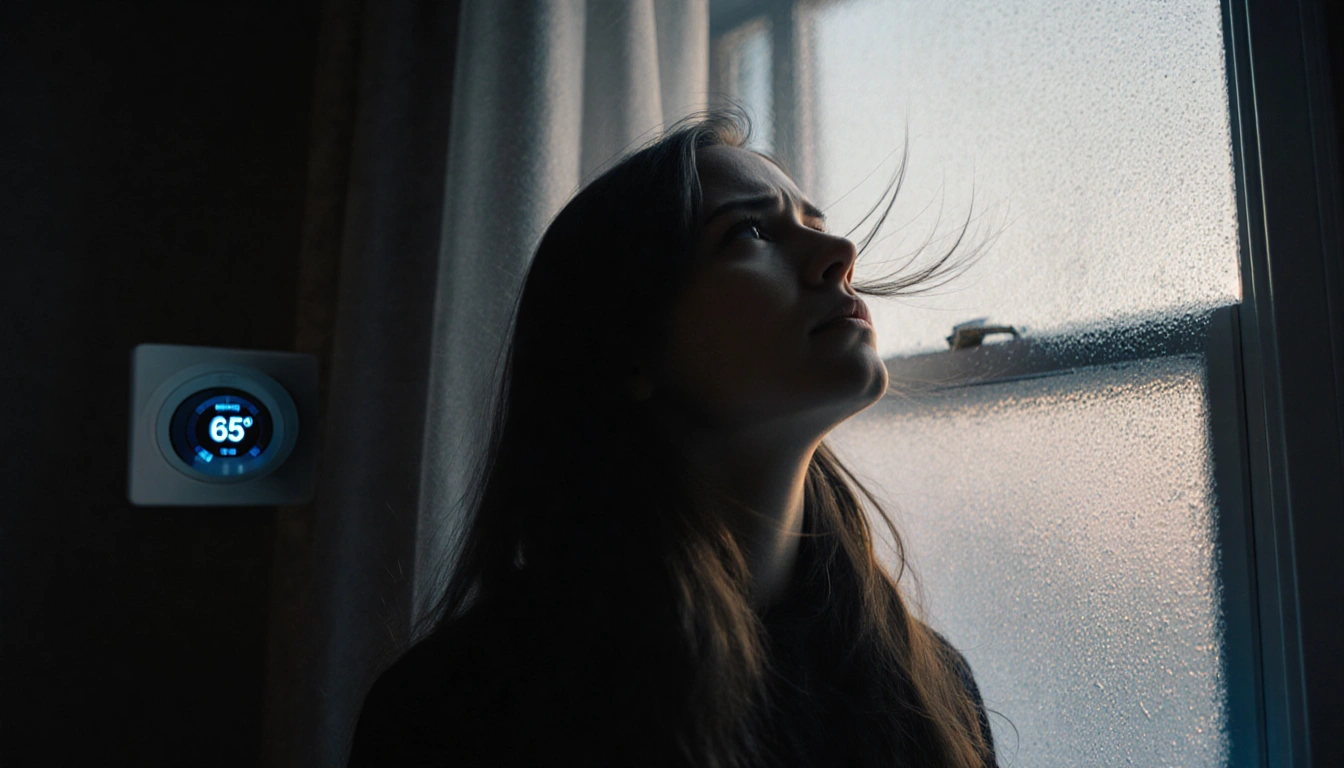

A winter that is 8% colder than the average of the last ten Decembers is already turning up the price tag on U.S. heating bills.
Rising Heating Costs
A new report from the National Energy Assistance Directors’ Association (NEADA) estimates that households could spend an average of $995 on home heating from mid-November to March-$84 more than last winter. NEADA projects heating costs to climb 9.2% over the next three months.
Electricity Prices Surge
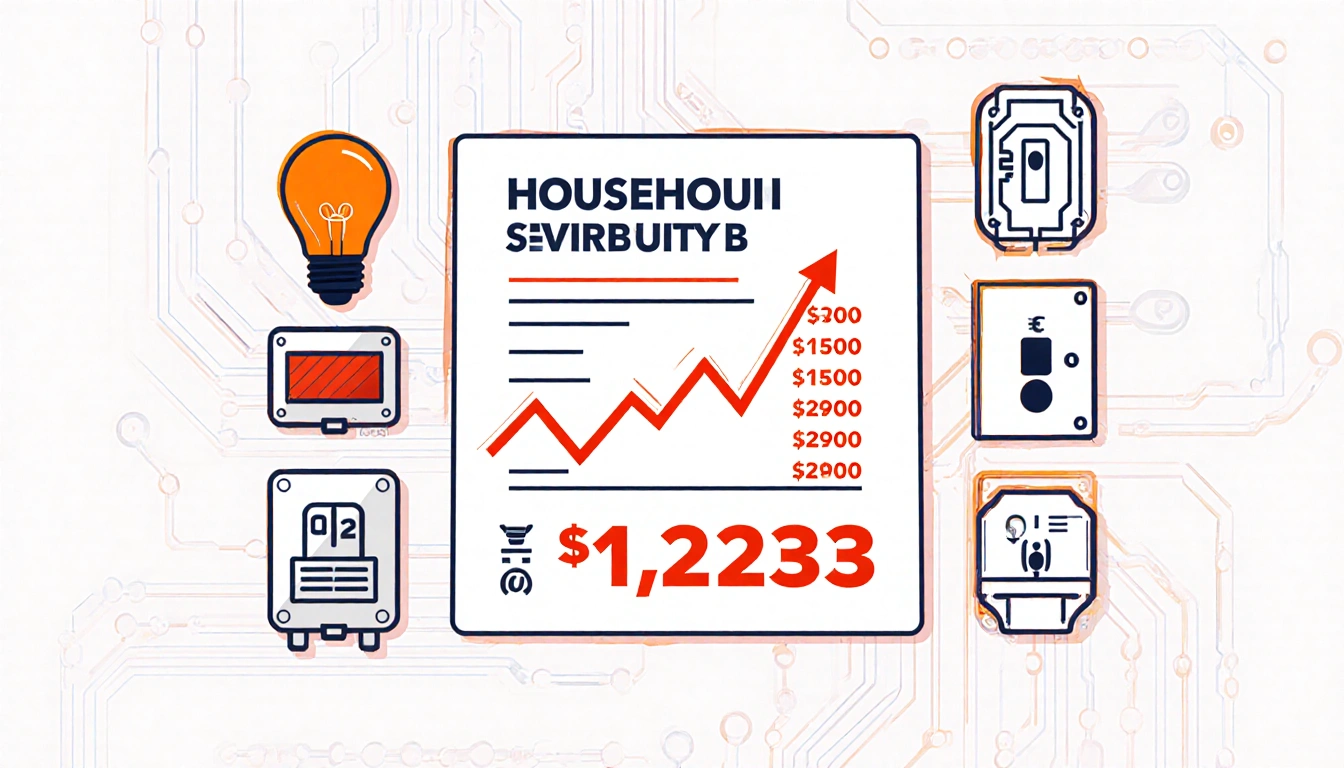
Residential electricity costs are at their highest in a decade. The same NEADA report says the average monthly electric bill has jumped 10% this year. With the average cost for electric heating expected to reach $1,223 and natural-gas households paying about $704, many families are feeling the squeeze.
Factors Behind the Increase
The surge is not only due to the cold. NEADA notes that the demand for power from artificial-intelligence data centers has driven wholesale electricity prices up 267% in the last five years. The aging U.S. power grid also requires costly repairs and maintenance, adding to consumer bills.
Mark Wolfe, NEADA’s executive director, warned that about 4 million households could face power shut-offs this winter, adding, “Energy is not a luxury-it is a necessity. No family should lose power because they cannot afford rising utility bills.”
Key Takeaways
- Heating bills are projected to rise 9.2% over the next three months.
- Average electric bill has increased 10% this year, with electric heating costs reaching $1,223.
- About 4 million households risk power shut-offs amid rising electricity prices driven by AI data centers and grid maintenance.
The combination of a colder winter, surging electricity demand, and infrastructure costs is setting the stage for higher utility bills across the country.