
At a Glance
- 2026 will see cities across the U.S. drop quirky fruits, vegetables, sea creatures, and more.
- The tradition dates back to 1907 with a 700-pound, five-foot ball in Times Square.
- New York’s iconic ball is just one of many, from a cheese wedge in Wisconsin to a 600-pound MoonPie in Alabama.
Why it matters: These playful drops showcase local pride and attract tourism, turning ordinary evenings into memorable celebrations.
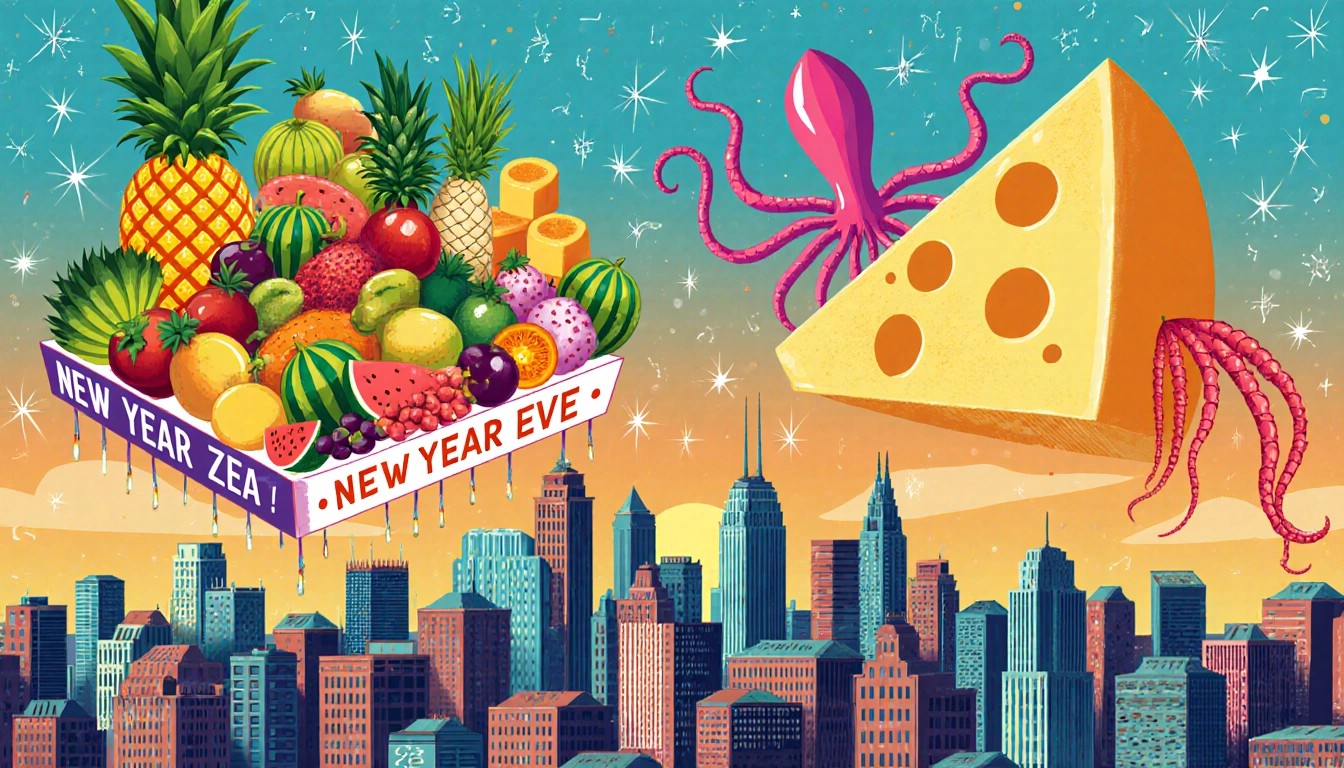
As New Year’s Eve approaches, the United States is preparing to light up the sky with an eclectic array of drops that range from fruit to sea creatures in 2026. From a giant cheese wedge in Wisconsin to a 600-pound MoonPie in Alabama, each city is adding its own quirky flair to the tradition that began in 1907. The following sections highlight the most unusual drops and the historic roots of the Times Square ball.
Fruit and Sweet Surprises
Cities across the country have turned fruit into a celebratory centerpiece. Miami’s “Big Orange” and Sarasota’s pineapple drop showcase how local produce can become a midnight spectacle. Even the peach has been replaced by a digital drone peach in Atlanta this year.
- Miami “Big Orange” drop
- Sarasota pineapple drop
- Milwaukie cherry drop
- Traverse City cherry drop
- Temecula grape drop
- Atlanta digital drone peach
Seafood and Oddities
Waterfront towns have embraced marine life for their countdowns. Brunswick’s shrimp drop, Easton’s crab drop, and Bay St. Louis’s oyster drop highlight the region’s coastal heritage. Ohio’s Lake Erie town of Port Clinton features a 600-pound walleye named Wylie, while Mobile’s 600-pound MoonPie and Bethlehem’s 400-pound yellow Peep add a sweet twist.
- Brunswick shrimp drop
- Easton crab drop
- Bay St. Louis oyster drop
- Port Clinton 600-pound walleye Wylie
- Mobile 600-pound MoonPie
- Bethlehem 400-pound yellow Peep
Notable Drops Table
| Drop Type | Location | Weight |
|---|---|---|
| Cheese wedge | Plymouth, Wisconsin | – |
| Chile pepper | Las Cruces, New Mexico | – |
| Pinecone | Flagstaff, Arizona | – |
| Conch shell | Key West, Florida | – |
| Bologna | Lebanon, Pennsylvania | – |
| Pickle | Dillsburg, Pennsylvania | – |
| Potato chip | Lewistown, Pennsylvania | – |
| 600-pound MoonPie | Mobile, Alabama | 600-pound |
| 400-pound yellow Peep | Bethlehem, Pennsylvania | 400-pound |
| 600-pound walleye Wylie | Port Clinton, Ohio | 600-pound |
| 10-foot pierogi | Whiting, Indiana | 10-foot |
| 6-foot pickle | Mt. Olive, North Carolina | 6-foot |
| 15,000 beach balls | Panama City Beach, Florida | – |
| Flip-flops | Folly Beach, South Carolina | – |
Historic Roots
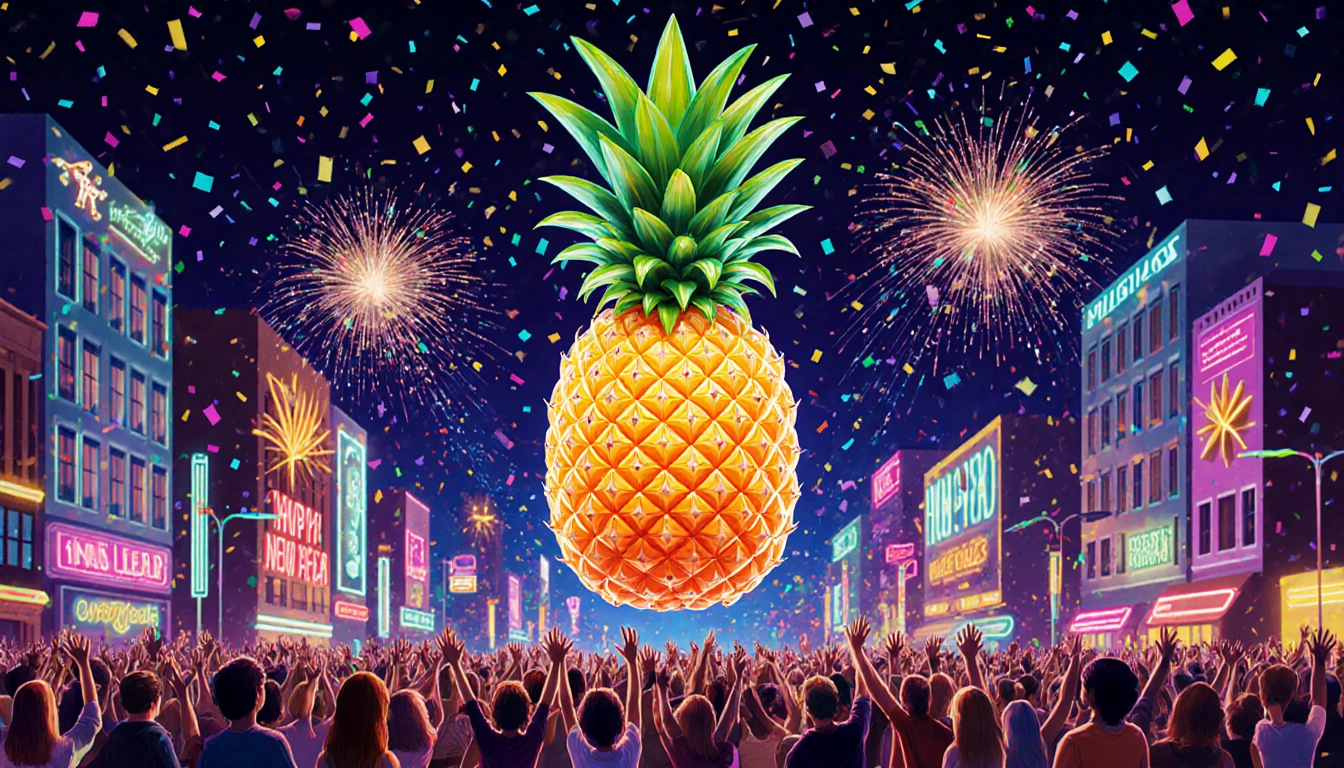
The tradition traces back to 1907 when a 700-pound ball, five-foot in diameter, first descended in Times Square. Over the past decades, copycat celebrations have spread coast-to-coast, turning New Year’s Eve into a national festival of creativity.
Key Takeaways
- The 1907 Times Square ball set the template for quirky drops nationwide.
- Cities use local symbols, from cheese wedges to sea creatures, to boost civic pride.
- 2026 will feature over a dozen unique drops, from 600-pound MoonPies to 15,000 beach balls.
As 2026 approaches, these colorful traditions remind us that New Year’s Eve is not just about a single ball, but about communities celebrating their identity with a splash of imagination.