


At a Glance
- Many New Year’s resolutions double as climate-friendly habits.
- Unplugging devices and adjusting thermostats can save up to 10% a year on heating and cooling.
- Food waste costs consumers $728 a year, equal to 42 coal-fired plants.
- Why it matters: These simple habits cut costs, reduce waste, and lower your carbon footprint.
A new year’s list of resolutions can also be a roadmap for a greener, more economical lifestyle. By unplugging electronics, tweaking thermostats, and cutting food waste, households can see real savings and a smaller environmental impact.
Save Money on Bills
Unplugging chargers, entertainment systems, and using a power strip with an on-off switch cuts phantom energy use. Adjusting the thermostat by 7-10°F for eight hours a day can reduce heating and cooling costs by up to 10% a year. Washing clothes on cold and air-drying them saves energy, and switching to LED bulbs, sealing drafty windows, and using natural light further boosts efficiency.
Matthew Gonzales said:
> “Don’t let perfect be the enemy of good enough.”
Eat Healthier, Waste Less
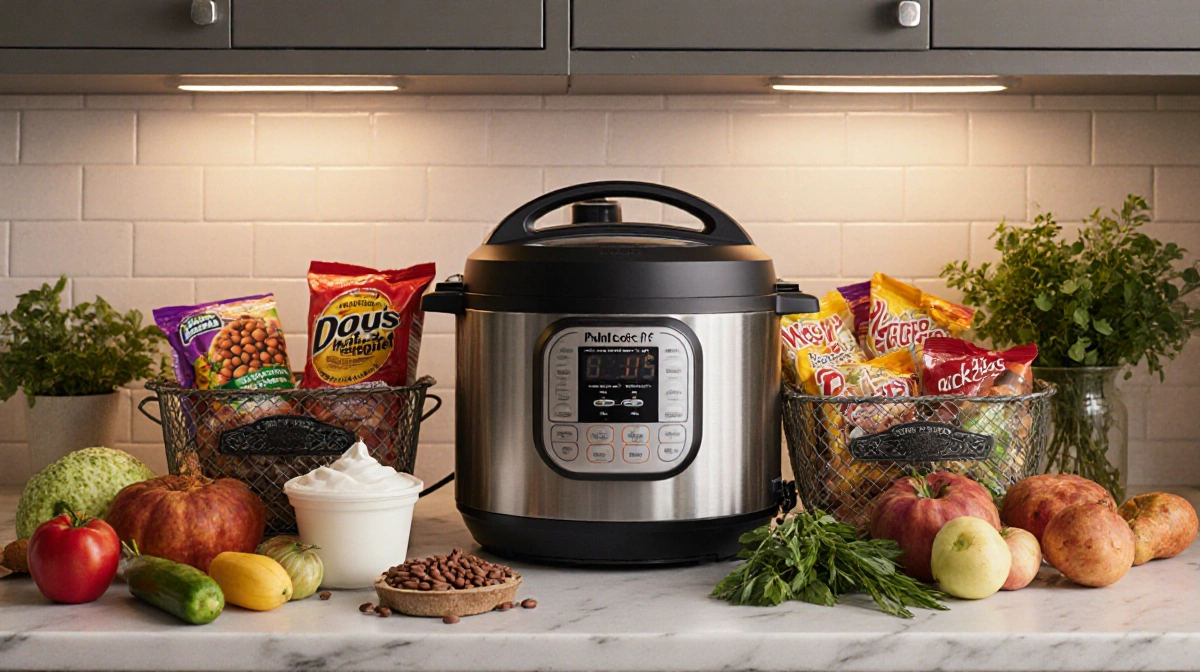
Food waste costs U.S. consumers $728 annually and generates greenhouse gases equal to 42 coal-fired power plants. Using pantry staples before shopping, preserving foods, fermenting vegetables, and making sauces from seasonal produce can cut waste. A multicooker can prepare stews, yogurt, and beans with less energy, while reducing ultra-processed foods cuts plastic packaging.
Anne-Marie Bonneau said:
> “If you have fat and an onion and a couple of random vegetables – or even one random vegetable or some leftover cooked proteins or grains – you’ve got soup in the making.”
>
> “If you’ve cleared out so much food that you don’t even have an onion and fat, it’s probably time to go shopping.”
>
> “You’ll improve your diet, you’ll reduce your waste and your food will come in less contact with plastic.”
Declutter and Buy Less
Organizing space, spotting duplicates, and adopting a “one-in, one-out” rule can curb impulse purchases. Unsubscribing from brand emails and waiting 24 hours before buying can shift buying habits. A 90-day no-new-clothes challenge saves 3,900 liters (1,030 gallons) of water, avoids 300 kilograms of CO₂, keeps 9 kilograms of clothing out of landfills, and nets nearly $300 in savings.
| Metric | 90-Day Challenge | Impact |
|---|---|---|
| Water saved | 3,900 liters (1,030 gallons) | |
| CO₂ avoided | 300 kilograms | |
| Clothing waste | 9 kilograms | |
| Money saved | $300 |
Katrina Caspelich said:
> “Most impulse purchases start with a notification, not a need.”
>
> “The key is flexibility.”
>
> “Framing it as an experiment rather than a strict rule makes it feel empowering instead of restrictive.”
>
> “Unsubscribing from brand emails and sale alerts can also help.”
>
> “For a more structured reset, you might try a no-buy challenge, pausing new purchases for 30 or 90 days while re-wearing, repairing, swapping with friends, or, if you can’t commit to buying nothing, shopping secondhand instead of new.”
>
> “Remake estimates that someone who takes part in a 90-day no new clothes challenge can save about 3,900 liters (1,030 gallons) of water, avoid roughly 300 kilograms (about 661 pounds) of carbon dioxide emissions, and keep around 9 kilograms (about 20 pounds) of clothing waste out of landfills while saving an average of nearly $300 by pausing new purchases.”
>
> “Americans generated about 17 million tons of textile waste in 2018, most of it clothing, according to the Environmental Protection Agency.”
Key Takeaways
- Unplugging devices and adjusting thermostats can cut heating and cooling costs by up to 10%.
- Cutting food waste saves $728 a year and reduces greenhouse gases.
- A 90-day no-new-clothes challenge saves water, CO₂, and money while reducing landfill waste.
By turning ordinary resolutions into simple, climate-friendly habits, households can save money, reduce waste, and help protect the planet.