

At a Glance
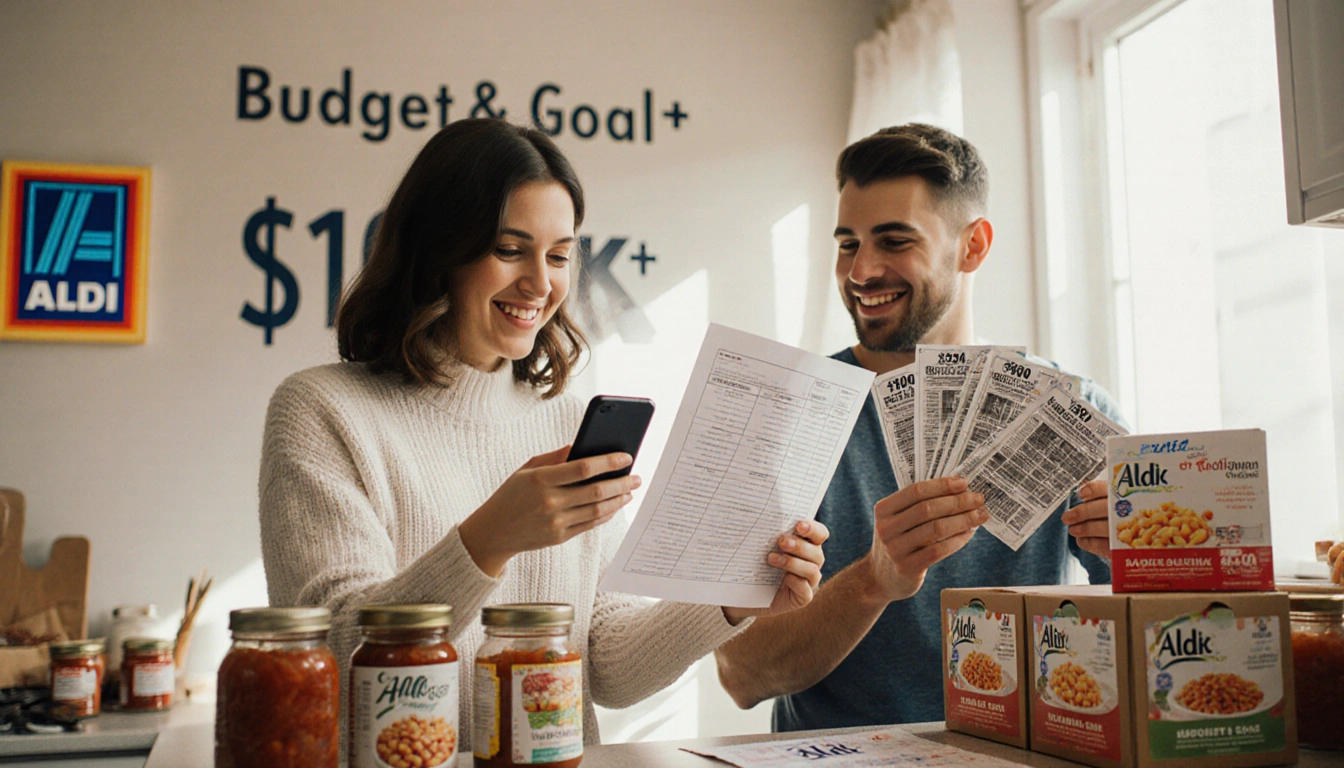
- Newlyweds cut groceries to Aldi, ditch beef, saving amid $100k+ income.
- Rising food, housing, and energy costs force many to cut dining out and utilities.
- Stock market highs and GDP growth mask uneven consumer gains in a K-shaped economy.
- Why it matters: Families on modest incomes feel the squeeze while high earners thrive, reshaping spending patterns and market dynamics.
For many couples, the cost of living has reached a tipping point. Newlyweds Brittany Zwier and Frank Martinez, earning over $100,000 a year, are cutting back on everything from groceries to eating out to keep their budget in line.
Household Cost Crunch
Zwier and Martinez now shop exclusively at Aldi, where they say prices beat other stores.
Brittany Zwier said:
> “We’re just buying what we need right now.”
They have also stopped buying beef after record-high prices this year.
- Groceries: Shift to Aldi and lower-priced items.
- Housing: Top-ranked economic problem for households.
- Energy: Rising utility bills strain budgets.
A recent poll by News Of Fort Worth found that more than half of respondents changed the groceries they buy to stay within budget.
Housing and food were cited as the biggest challenges.
K-Shaped Economy
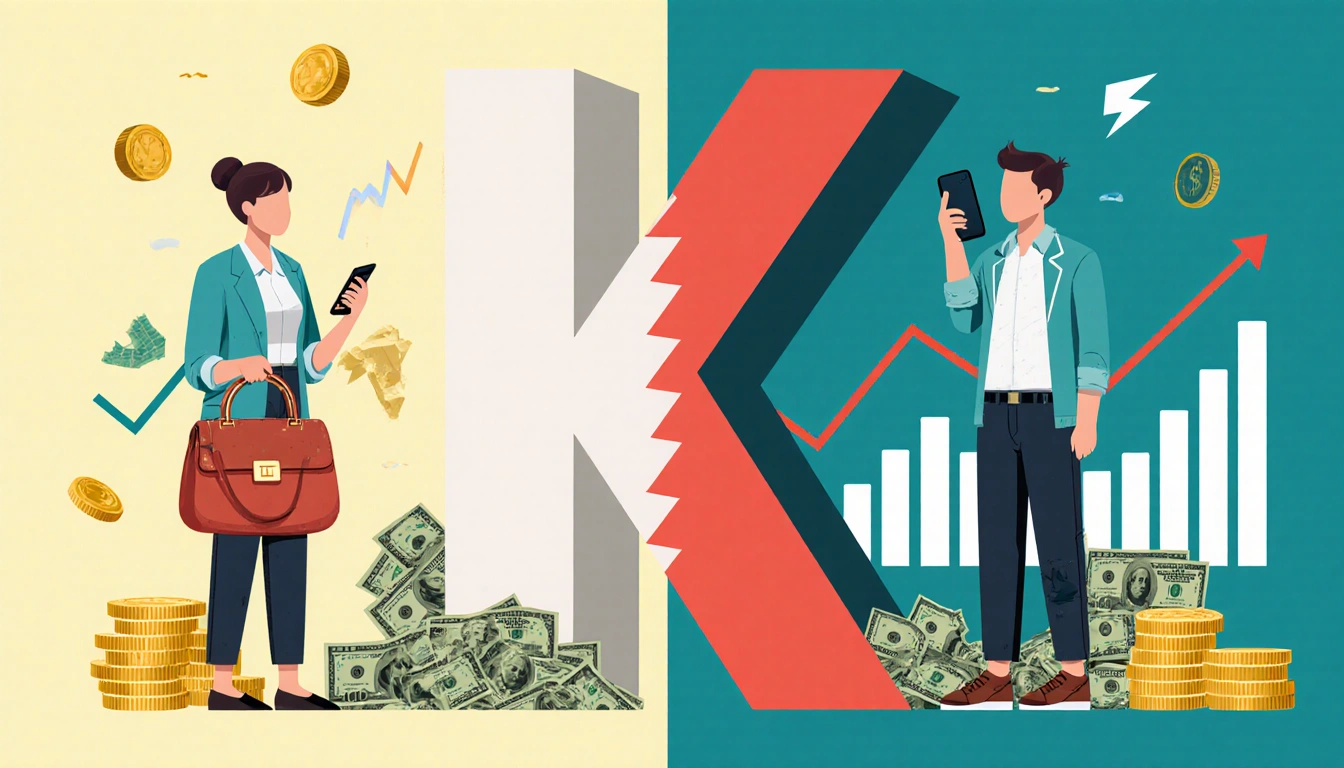
Economists describe the current split as a K-shaped economy.
Heather Long, chief economist at Navy Federal Credit Union, explained:
> “The K-shape economy means that some Americans, usually the wealthiest, are doing just fine. Their incomes are rising. Their spending is rising.”
In contrast, those on the lower end are struggling to keep up with rising costs.
- Top tier: Rising incomes and spending.
- Lower tier: Paychecks lagging behind food, housing, and childcare costs.
Aldi Advantage
Aldi’s growth fuels the shift toward discount grocery shopping.
| Year | U.S. Stores |
|---|---|
| 2012 | 1,230 |
| 2023 | 2,400 |
| 2028 (planned) | 3,200 |
Aldi’s spokesperson told News Of Fort Worth that shoppers across all demographics are turning to the chain because “no one wants to pay more for groceries than they have to.”
Michael Torres, a regular Aldi customer, said:
> “As much as you can save is important. You still want to make sure you have the fridge full, whatever you need on the table.”
He added that “wants” may have to wait for now.
Energy & Utility Costs
Electricity prices jumped 6.9% last year-more than twice the rate of inflation-according to the Bureau of Labor Statistics.
This winter, U.S. households could spend an average of $995 on home heating, an $84 increase from 2024, per the National Energy Assistance Directors Association.
Mark Wolfe, executive director of NEADA, noted:
> “These increases may not sound dramatic to higher-income households, but for families already struggling, they are devastating.”
Consumer Spending Shift
The U.S. economy increasingly depends on high-income households. The top 10% of earners accounted for a record 49.2% of total consumer spending in Q2, according to Moody’s Analytics.
Companies like Ford, General Motors, American Airlines, and JetBlue are capitalizing on premium demand.
Heather Long warned:
> “Whether the economy goes into a recession in 2026 hinges almost entirely on the top 20%. If they do well, the overall economy does well. If they don’t, then we’re looking at a recession.”
She added that wage gains will keep getting smaller while inflation ticks up, creating a recipe for middle-class squeeze.
Key Takeaways
- Newlyweds and many households are cutting groceries, dining out, and utilities to survive rising costs.
- The K-shaped economy shows wealthier consumers thriving while lower earners struggle.
- Discount grocers like Aldi are expanding to meet demand, while energy bills continue to climb.
The growing divide in consumer spending highlights how a booming stock market and GDP growth can mask deep economic inequalities that affect everyday families.