


Night owls may be more likely to suffer from poor heart health, a new study published Wednesday in the Journal of the American Heart Association shows. Researchers followed nearly 323,000 adults in the UK Biobank and found that those who stay up late have a higher chance of heart disease compared with early birds.
At a Glance
- Night owls: 79% higher prevalence of poor heart health and 16% higher risk of heart attack or stroke.
- Early birds: 5% lower prevalence of poor heart health, no increased risk.
- Women showed stronger associations between chronotype and heart health.
- Why it matters: Timing of sleep may be a modifiable factor in cardiovascular risk.
Study Overview
The UK Biobank recruited participants from 2006 to 2010. Participants, with an average age of 57, completed a questionnaire that categorized them by chronotype-whether they are morning, evening, or intermediate.
- 24% identified as morning people.
- 8% identified as evening people.
- 67% fell into the intermediate group.
Lead author Sina Kianersi explained that the research team used the American Heart Association’s Life’s Essential 8 metrics to assign each participant a heart health score from 0 to 100. The metrics include sleep quality, weight, nutrition, blood sugar, blood pressure, cholesterol, smoking status, and physical activity.
The average score across all participants was 67.4. Women averaged 70, while men averaged 65.
Key Findings
| Group | Poor Heart Health Prevalence | Risk of Heart Attack/Stroke |
|---|---|---|
| Night owls | 79% higher | 16% higher |
| Intermediate | baseline | baseline |
| Early birds | 5% lower | no increased risk |
Night owls also had poorer scores in six of the eight categories, especially sleep and nicotine exposure. Women with an evening chronotype were more likely to have low scores in sleep and nicotine categories.
Health Implications
Heart disease remains the leading cause of death in the U.S., killing one person every 34 seconds. While sleep has long been linked to cardiovascular health, the American Heart Association only added sleep to its core pillars in 2022.
The study’s findings suggest that a misaligned internal clock can contribute to cardiovascular risk through a cascade of unhealthy behaviors and physiological disruptions.
Expert Perspectives
- Dr. Maha Alattar, medical director of the VCU Health Center for Sleep Medicine, noted that sleep supports tissue regeneration and that chronic sleep deprivation can elevate stress hormones like cortisol.
- Dr. Shady Abohashem of Massachusetts General Hospital said the link between evening chronotype and heart risk is “modest, not dramatic,” and that night owls are not doomed.
- Dr. Phyllis Zee, director of the Center for Circadian and Sleep Medicine at Northwestern University, emphasized that the behaviors driving poor heart health in night owls are modifiable.
How to Improve Heart Health
- Prioritize 7-8 hours of quality sleep each night.
- Quit smoking to reduce nicotine exposure.
- Increase daytime physical activity.
- Avoid eating after 8 p.m., giving the body at least three hours before sleep.
- Manage light exposure: natural or blue light in the morning; dim or amber light in the evening.
- Limit caffeine at least 12 hours before bedtime.
Zee added that turning down lights two to three hours before bed helps the body produce melatonin naturally.
Limitations and Future Research
The observational design limits causal inference. The cohort was largely white, middle-aged, and older adults who self-reported chronotype. Heart health metrics were measured only once. Kianersi is now exploring genetic factors that influence chronotype and why the association is stronger in women.
Alattar remarked that while the evening sleep chronotype isn’t curable, it is manageable and research can reduce stigma against night owls.
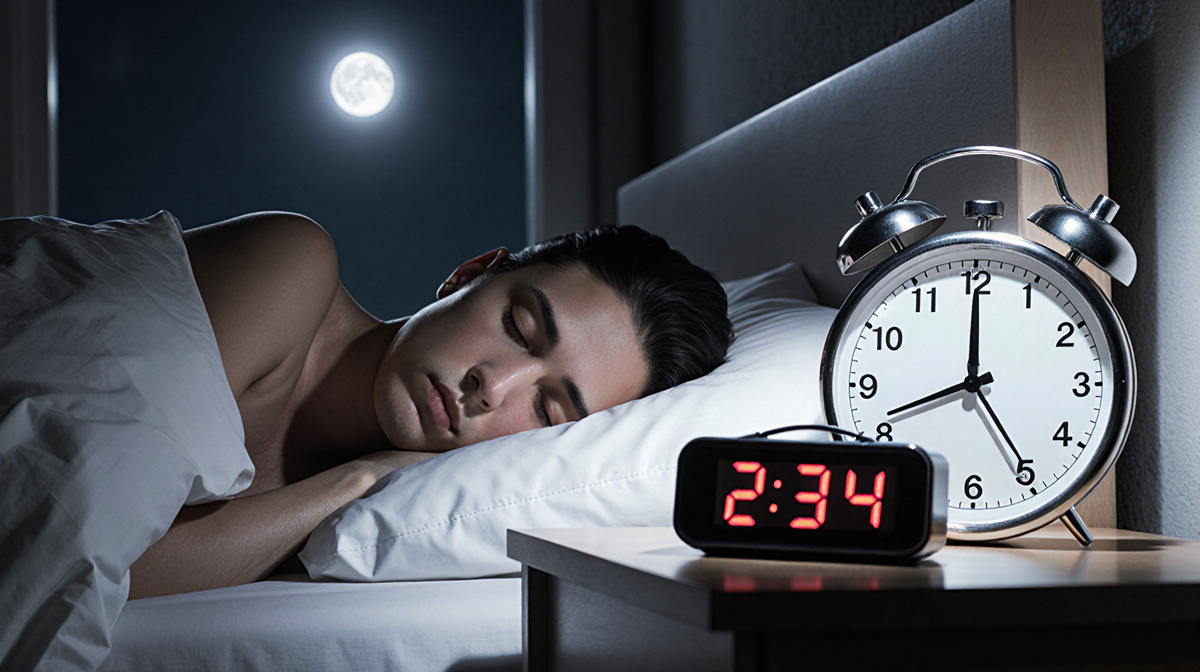
In summary, staying up late may increase cardiovascular risk, but lifestyle changes-especially improving sleep habits-can mitigate that risk.