
> At a Glance
> – National wastewater data show 45% rise since November
> – Newer GII.17 strain caused 75% of outbreaks this season
> – Positivity rate hit 12% in mid-December, still below last year’s 19%
> – Why it matters: Peak season is weeks away, so cases are expected to climb before they fall
The stomach bug known for explosive bouts of vomiting and diarrhea is back earlier than usual, driven by a once-rare variant now dominating U.S. outbreaks.
Wastewater Signals Jump
WastewaterSCAN readings tagged norovirus concentrations as “high” nationwide, with the sharpest increases logged in the Midwest and Northeast. Levels began climbing in October, well ahead of the typical winter curve.
- 45% national increase since November
- Notable uptick in the last three weeks, says Marlene Wolfe, Ph.D., of Emory University
- Two Massachusetts schools recently closed for multiple days after dozens of students fell ill
Cruise ships are also reporting more outbreaks, while the CDC’s NoroSTAT network counted 268 outbreaks across 14 states between Aug. 1 and Dec. 11.
GII.17 Variant Takes Over
For two decades, the GII.4 strain caused most U.S. norovirus illnesses. This season, GII.17 accounts for three-quarters of outbreaks, up from <10% last year, according to recent CDC data.
| Metric | 2023 Season | 2024-25 Season |
|---|---|---|
| GII.17 share | <10% | 75% |
| Peak positivity (mid-Dec) | 19% | 12%* |
| Outbreaks (Aug-Dec 11) | TBA | 268 |
*Still rising; season not yet peaked.
Dr. Scott Roberts, Yale School of Medicine, explains that population immunity to the newer strain is low, giving the virus room to spread rapidly.
Symptoms & Duration
Illness strikes 12-48 hours after exposure and usually resolves within 1-3 days, says Dr. William Schaffner of Vanderbilt University.
- Vomiting
- Diarrhea
- Nausea and stomach cramps
- Less often: low-grade fever, chills, headache
Young children and adults over 85 face the highest risk of dehydration or hospitalization.
Prevention Basics
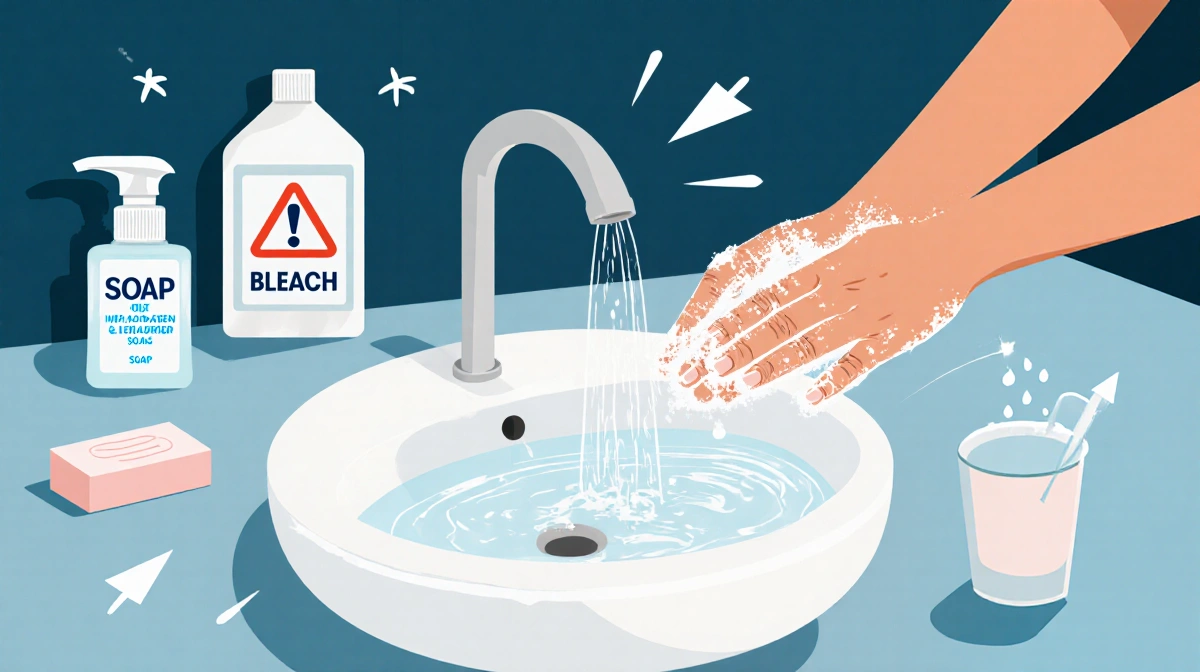
Because alcohol hand gels don’t work, experts stress soap-and-water scrubbing and bleach-based cleaners for surfaces.
- Wash hands after bathroom use and before eating
- Disinfect high-touch areas with bleach
- Cook shellfish to ≥145°F
- Stay home 48 hours after symptoms stop
Key Takeaways
- Norovirus is surging weeks earlier than usual
- The newer GII.17 variant now causes most outbreaks
- Wastewater levels are up 45% since November
- Peak season is still ahead, so expect further increases
Stay vigilant with hand-washing and surface disinfection while the season ramps up.