
At a Glance
- Jensen Huang says warnings about AI risks are “extremely hurtful” and damage the industry
- He argues that pessimistic narratives scare away investment needed to make AI safer
- Huang criticizes peers who lobby governments for regulation, calling it a move to “suffocate startups”
- Why it matters: The debate over how to balance innovation speed with safety guardrails is intensifying as AI firms pour record cash into lobbying
Nvidia CEO Jensen Huang, whose net worth has surged by nearly $100 billion since the AI boom began, is tired of what he calls “doomer” talk about artificial intelligence. On the No Priors podcast, Huang said critics who highlight job losses, surveillance risks, or existential threats are hurting the very progress that could solve those problems.
Huang’s Message: Optimism Over Warnings
“[It’s] extremely hurtful, frankly, and I think we’ve done a lot of damage with very well-respected people who have painted a doomer narrative,” Huang told hosts Elad Gil and Sarah Guo. He claims the steady drumbeat of caution does three things:
- Deters investment in AI infrastructure
- Slows technical advances that could improve safety
- Hands regulatory advantage to incumbents that can afford lobbyists
Huang singled out industry peers who urge Washington for stricter rules. “You have to ask yourself, you know, what is the purpose of that narrative and what are their intentions,” he said, suggesting the real goal is to “suffocate startups.”
Regulatory Capture Concerns
News Of Fort Worth‘s analysis notes Huang is not wrong about one risk: regulatory capture. Deep-pocketed firms can shape policy to entrench their lead. Evidence is already visible:
- Silicon Valley companies have committed more than $100 million to new Super PACs ahead of the 2026 midterms, according to the Wall Street Journal
- Invoking society-scale danger can double as marketing, making a product seem so powerful it must stay in “responsible” corporate hands
Yet Huang’s remedy-accelerate investment and “build more”-offers no concrete fix for the downsides he dismisses. “When 90% of the messaging is all around the end of the world and the pessimism… we’re scaring people from making the investments in AI that makes it safer,” he argued, without detailing how larger data-center footprints alone deliver safety.
Unaddressed Risks
Huang left several issues unaddressed:
- Job displacement – not necessarily from super-human AI but from companies chasing the hype and eliminating entry-level roles
- Misinformation – generative models can flood platforms with synthetic text, images, and video
- Mental-health fallout – recommendation engines and deepfakes intensify online harms
- Profit reality – early enterprise AI spending has often been “more of a money suck than a profit generator,” Megan L. Whitfield reported
The CEO’s central message: speed up, build bigger, and trust that a future superintelligence will untangle today’s social side effects. Critics counter that treating the public as “beta testers” cedes too much risk to consumers while gains accrue upstream.
Key Takeaways
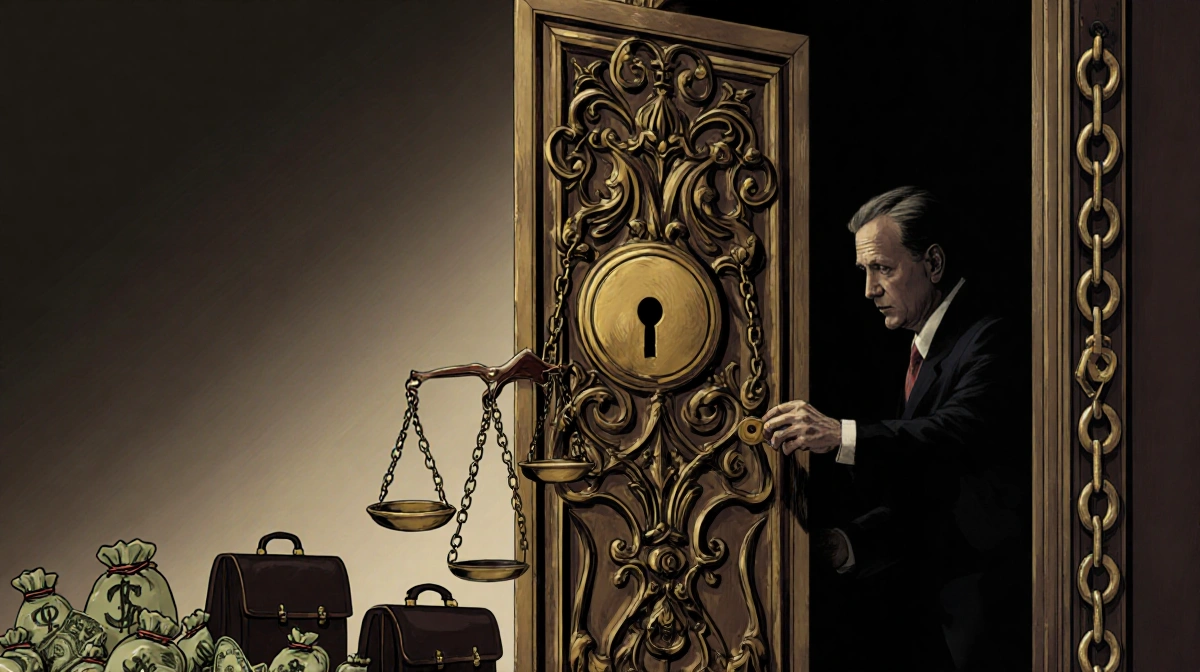
- Huang concedes incumbents could game regulation, but offers no roadmap to prevent harms while scaling AI
- Investment surge is already here; the question is whether guardrails arrive in parallel
- The debate is shifting from lab safety papers to lobbying budgets and election-cycle ad blitzes