

At a Glance
- PC shipments grew 10% in 2025, but memory shortages are driving prices up 500%
- Lenovo leads with 25% market share and stockpiled RAM to blunt the crisis
- Silicon vendors now dictate RAM sizes, cutting consumer choice from 12/16/24GB to fewer options
- Why it matters: Your next laptop may cost more, pack less memory, and lean on paid cloud services
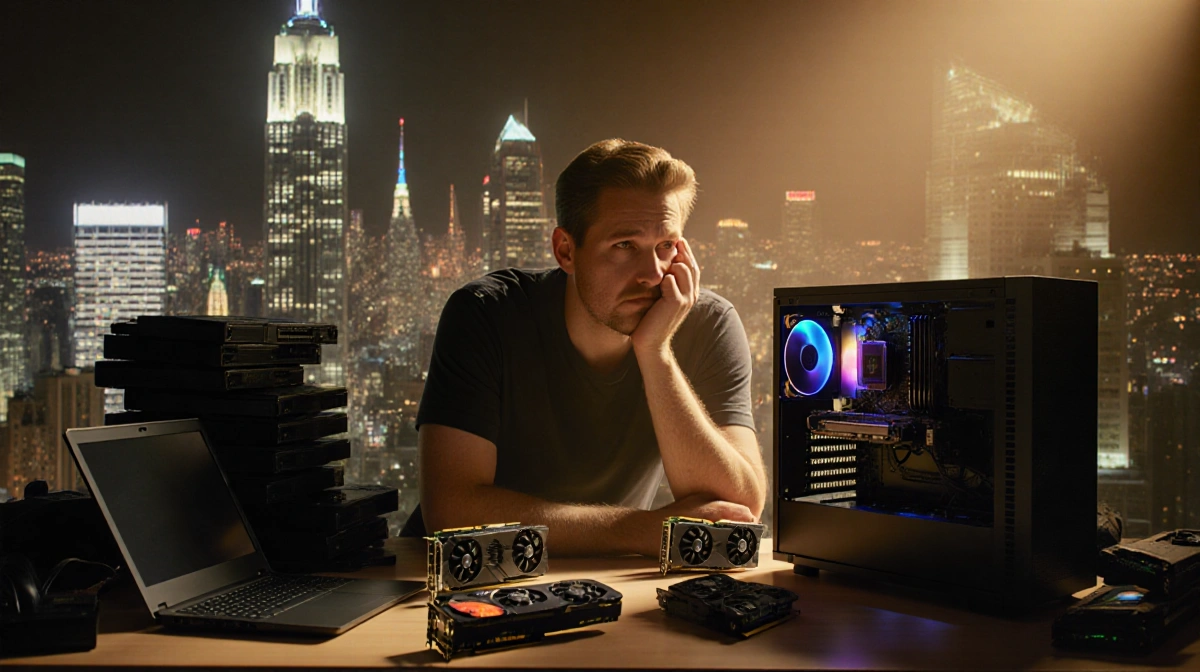
The PC industry’s momentum from 2025 is colliding with a memory-supply wall that will reshape how-and how much-you buy computers in 2026. Data released Monday by IDC show shipments rose nearly 10% last year, led by Lenovo’s 70.8 million units and 25% share. Yet DRAM and SSD prices have exploded, desktop RAM up more than 500%, and vendors are already trimming specs to survive.
Memory Shortage Sweeps the Market
Desktop PCs felt the first blow when RAM costs rocketed past 500%. Laptops are next. Dell told News Of Fort Worth it will adjust prices as costs evolve, and IDC warns PCs will not only cost more but may ship with less memory inside. SSD prices have surged in tandem, hitting every buyer-from DIY builders to big-box shoppers.
- Lenovo stockpiled 50% extra RAM before prices spiked, per Bloomberg
- Executives camped in South Korea begging Samsung, SK Hynix, and Micron for DRAM
- Google, Meta, Microsoft prioritize AI data-center supply over consumer modules
Lenovo’s Plan: Premium PCs and Hybrid Compute
Steve Long, Lenovo’s commercial devices chief, told Cameron R. Hayes the future is “hybrid,” blending local power with cloud fallback. The firm locked in long-term memory contracts last autumn and may raise prices as supply-chain quotes climb. Gaming gear felt it already: the Legion Go S jumped from an expected $550 to $600, then $650 post-launch.
Fewer RAM Choices on the Way
Micron marketing VP Christopher Moore told Wccftech that offering many capacities-12GB, 16GB, 24GB-“drops our output.” Result: memory makers will push fewer, standardized sizes, limiting what PC brands can offer.
High-End Chips Push Further
Intel revealed Core Ultra Series 3 (Panther Lake) at CES 2026, with the Core Ultra X9 388H topping the stack. AMD and Qualcomm counter with premium tiers, including the Snapdragon X2 Elite Extreme. Expect more laptops to launch at the high end, pairing costly CPUs with pricey memory.
Smaller Brands at Risk
Long conceded Lenovo “wouldn’t mind” some consolidation. Framework and OneXPlayer have already hiked prices multiple times; the latter raised its Strix Halo handheld $200 right before release. Best Buy shelves could carry fewer niche labels as margins compress.
More Operating Systems Emerge
Microsoft’s Copilot push fuels Linux growth. Lenovo will ship Legion Go 2 with SteamOS, Valve revives Steam Machines, and Google plans to merge ChromeOS with Android. Budget Chromebooks gain native Android apps but still lean on cloud tasks.
Key Takeaways
- Expect higher sticker prices and tighter RAM specs in 2026
- Lenovo’s early stockpile gives it leverage; smaller vendors face tough choices
- Cloud-reliant PCs will grow, often tied to paid subscriptions
- Linux and ChromeOS devices multiply as Windows backlash continues