

At a Glance
- The $200 Pebble Round 2 revives physical buttons on a 2026 smartwatch
- It offers two-week battery life but drops heart rate tracking and speakers
- The companion Index 01 ring records voice memos for 2-3 years before dying
- Why it matters: Core Devices bets simplicity beats AI overload for wrist tech
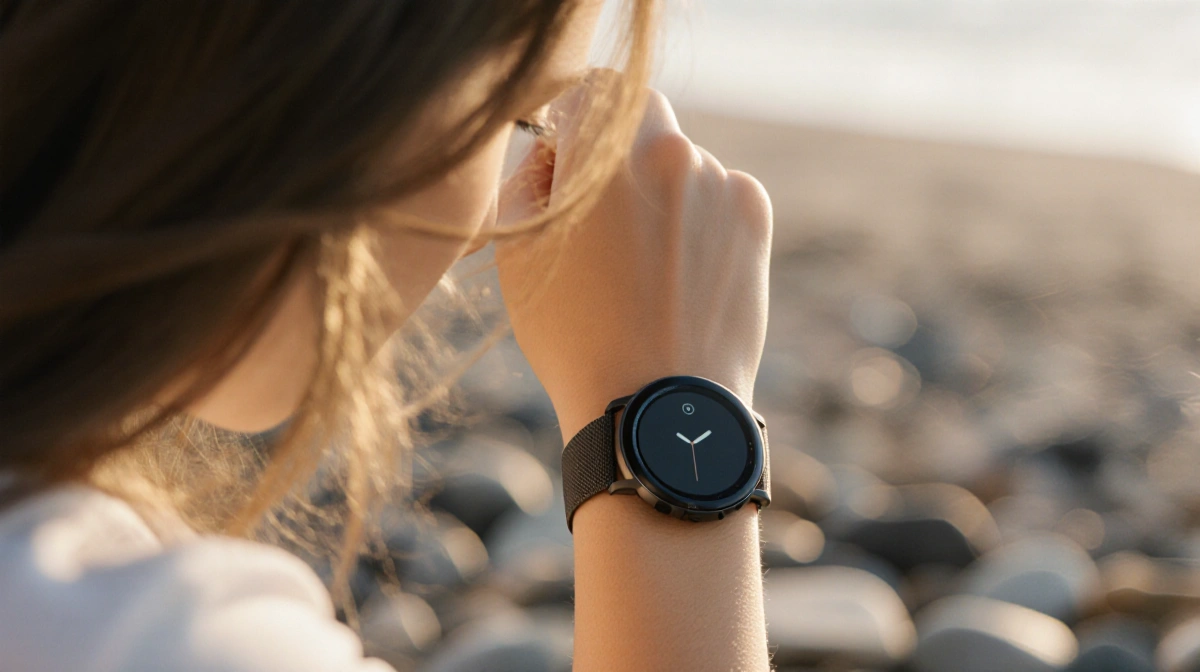
Pebble is back. Founder Eric Migicovsky unveiled the $200 Pebble Round 2 at CES 2026, crowned best smartwatch of the show by News Of Fort Worth. The circular wearable revives four physical buttons and promises two weeks of battery life, deliberately skipping modern staples like heart-rate sensors and speakers.
The Round 2: Buttons Over Touch
The stainless-steel watch ships in May in two sizes:
- Large: 20 mm band, silver or black frame
- Small: 14 mm band, rose gold or silver frame
A 1.3-inch, 260 × 260 pixel screen dominates the face-larger than the 2015 Pebble Time Round yet smaller than Google’s latest Pixel Watch 4. Migicovsky told News Of Fort Worth the old model’s “large bezel” had to go; the new display feels “Goldilocks” on the wrist.
Battery life lands at 14 days, half the 30-day estimate for the upcoming Pebble Time 2. You lose voice replies and fitness-depth metrics, but gain instant tactile control without swiping glass.
Index 01: A Ring That Records-Then Dies
Core Devices’ most divisive gadget is the Index 01, a $75 preorder ring that climbs to $100 after March launch. One button starts a voice memo; onboard storage holds “a couple minutes” per clip. Bluetooth off-loads recordings to a phone app that labels them as notes, reminders, or alarms.
The catch: no rechargeable cell. A non-replaceable battery lasts two to three years, then the ring becomes e-waste. Migicovsky frames it as a trade-off for the low price and simplicity, arguing that a rechargeable version “would be more expensive.”
Simplicity Versus the AI Tide
Both products ignore the industry sprint toward AI overload. The Round 2 runs no voice assistant; the Index 01 records but does not transcribe on-device. Migicovsky calls the approach a tool that “doesn’t take itself too seriously,” pitching the ring as an ever-present “external memory” for quick thoughts while biking or walking.
Cameron R. Hayes pressed him on consumer resistance to disposable hardware. The founder remained skeptical of the criticism, noting users who want longevity can “just get a Whoop or an Oura ring-there are tons of different options.”
Launch Timeline
| Product | Ship Date | Preorder Price | Regular Price |
|---|---|---|---|
| Index 01 | March | $75 | $100 |
| Pebble Time 2 | April | TBA | TBA |
| Pebble Round 2 | May | TBA | $200 |
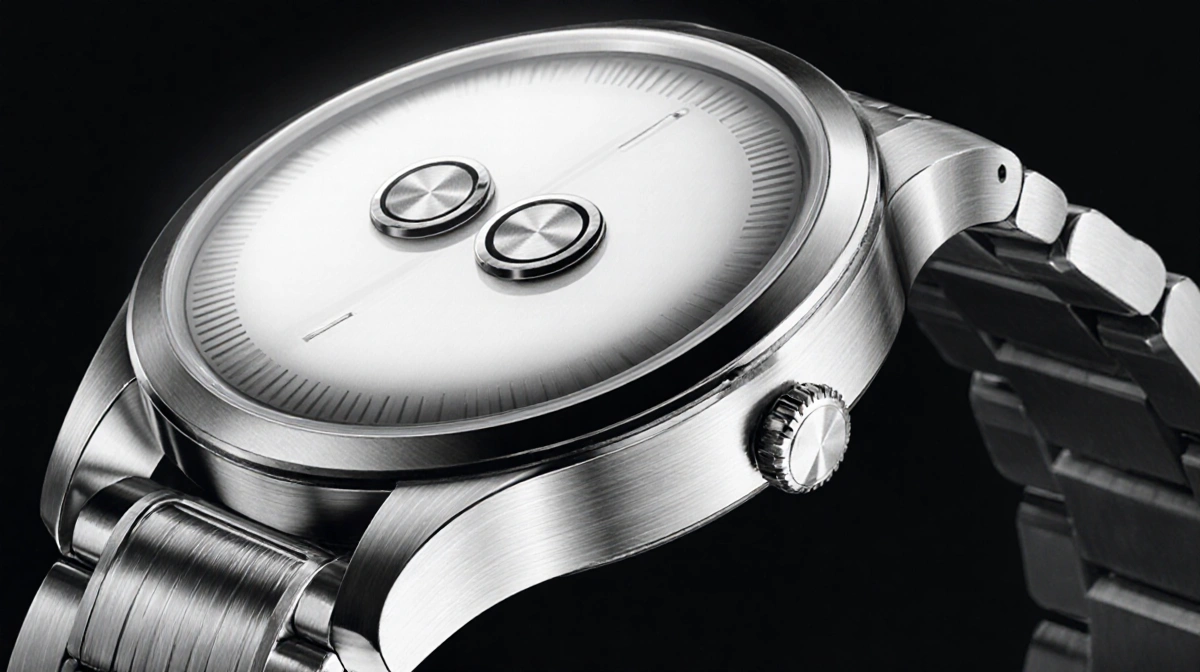
Migicovsky’s Core Devices, formed in 2025, keeps the playful spirit that once made Pebble a Kickstarter darling. The Round 2’s tactile buttons and the Index 01’s single-purpose recording thumb-switch both signal a bet that some consumers want less from their wearables, not more.
Key Takeaways
- Pebble Round 2 revives four-button navigation and two-week battery life for $200
- The watch skips heart-rate tracking and speakers, targeting simplicity over specs
- Index 01 ring records voice memos for 2-3 years, then becomes unusable
- Both devices prioritize straightforward function amid 2026’s AI-saturated market